 Add Row
  Add
Add 

Startling fact: Nearly 80% of fitness resolutions fail by February. Yet, with small, strategic steps in your first 7 days, you can defy the odds and set yourself up for lasting health and real progress. If you’re wondering how to start working out—especially if you’re out of shape—this guide offers a practical roadmap, helping you break old cycles and finally make your fitness resolution stick.
Breaking the Cycle: Why Most Fitness Resolutions Fail—and How to Start Working Out Smart
“Studies show that nearly 80% of fitness resolutions fail by February—yet small, strategic steps in your first 7 days can turn statistics in your favor.”
The top reason most fitness resolutions crumble isn’t a lack of willpower but rather a pattern of unrealistic expectations, overwhelm, and poor planning—setting people up for short-term struggles and long-term disappointment. The first few days are crucial for your fitness journey: how you approach your initial week can determine your success months later. Research shows that those who build gradual, consistent habits are far more likely to stay consistent and experience health benefits in the long run, whether they choose group fitness classes, solo strength training routines, or at-home physical activity.
Doing too much, too soon: Jumping into hour-and-a-half workouts without preparation leads to burnout and injury.
Copying advanced routines: Imitating social media influencers’ “perfect” routines isn’t realistic for beginners.
Skipping rest days: Overtraining is common when you start, but recovery is essential for progress.
Ignoring goal clarity: Not knowing your “why” or setting vague goals causes motivation to fizzle quickly.
Lack of social support: Going it alone can make it harder to stay consistent—community matters.
Understanding the How to Start Working Out Mindset Shift
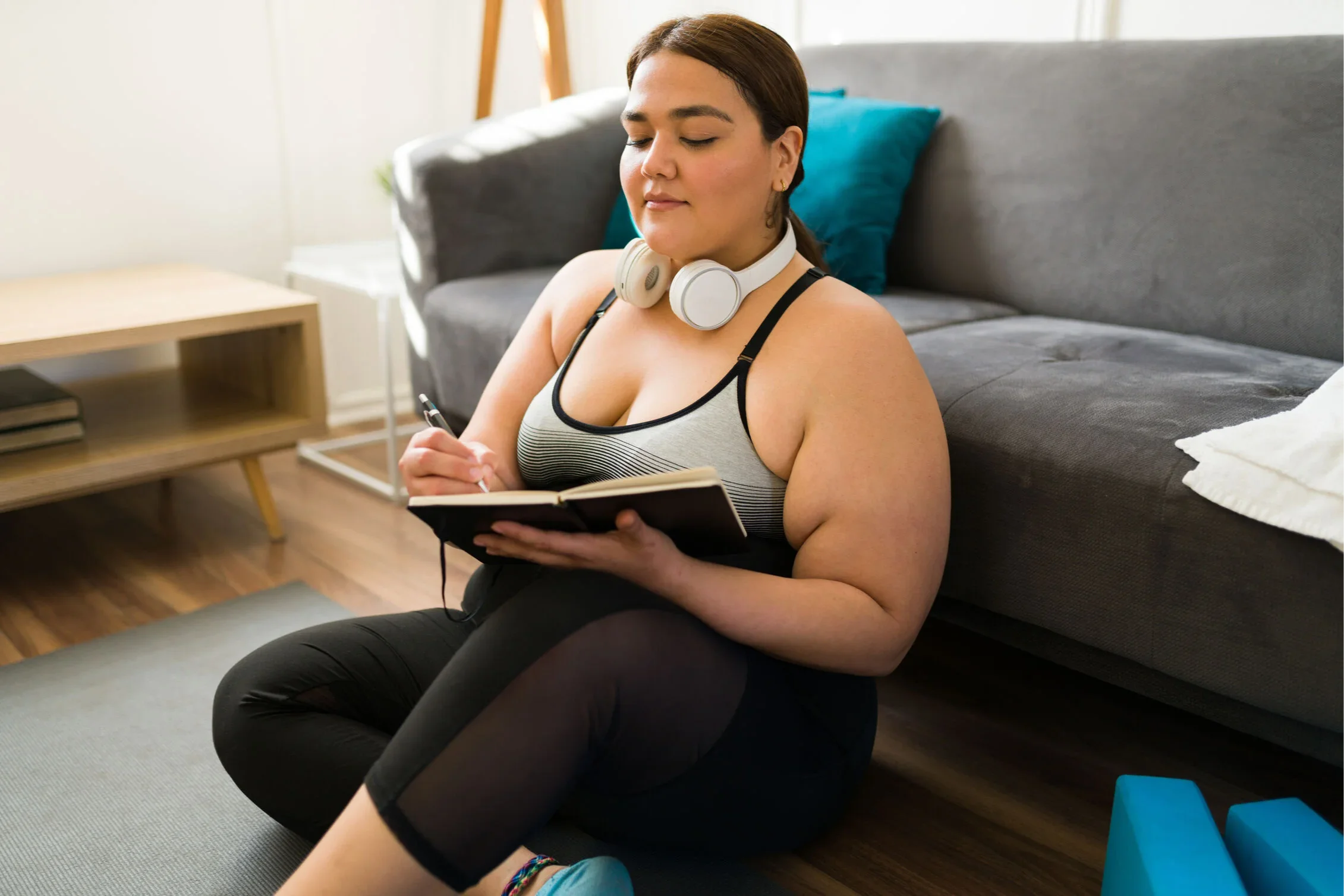
Beginning anew requires a mindset shift: letting go of past attempts and embracing a fresh, realistic approach. Instead of pushing for perfection—attending a group fitness class every day or aiming for rapid transformation—prioritize progress and consistency over the long run. Start by acknowledging your current level and set realistic, motivating targets for your fitness resolution. This mental reframe, coupled with incremental habit-building, dramatically boosts your odds of making physical activity a regular, rewarding part of your life.
Setting realistic expectations: Choose attainable goals over dramatic overhauls. Aiming for three days a week of movement is a strong start.
Knowing your ‘why’: Connect your goals to how exercise makes you feel, your health, and your future—beyond just appearance.
Building gradual habits: Commit to brief, daily movement (even a 5-minute walk) and celebrate small milestones.
What You’ll Learn in This 7-Day How to Start Working Out Plan
This 7-day plan is designed for anyone who wants to break through in their fitness journey—whether you’re completely new, returning after a break, or just want to lay a stronger foundation for your fitness resolution. Here’s a quick preview of what you’ll gain:
✓ Daily guidance designed to help your fitness resolution stick
✓ Introduction to strength training basics, including bodyweight and resistance options
✓ How to use social media for community support and accountability
✓ Simple injury prevention strategies so your start doesn’t end in pain
7-Day How to Start Working Out Plan Overview |
|||
Day |
Daily Focus |
Activity Type |
Rest Component |
|---|---|---|---|
1 |
Fitness self-assessment & setting goals |
Light movement, goal planning |
Gentle stretch |
2 |
Introduce strength and cardio basics |
Bodyweight / resistance, easy walk |
Easy stretch |
3 |
Find support; use social media |
Repeat strength/cardio + post update |
Foam rolling |
4 |
Time-saving workouts for busy days |
Quick (“7-minute”) cardio or strength |
Mindful breathwork |
5 |
Prioritize rest and recovery |
Rest day |
Stretch, gentle walk |
6 |
Track progress; adapt routine |
Strength & cardio mix |
Easy stretch |
7 |
Celebrate wins, plan next steps |
Preferred workout or group fitness |
Active recovery |
Day 1: How to Start Working Out—Your Fitness Resolution Begins
Assessing Your Fitness Level with the 7-Day Approach
Kicking off your program, the first day isn’t about crushing an hour-and-a-half session or hitting a big group fitness class—it’s about assessing your starting point honestly and kindly. Understanding your baseline helps you avoid the common mistakes told by experts like Dr. Saurabh Gupta, who often sees beginners “do too much too soon, leading to demotivation and injuries. ”
-
Quick self-assessment checklist:
Do you feel winded climbing stairs?
Can you comfortably touch your toes?
How many push-ups or squats can you do with good form?
-
Goal-setting worksheet for beginners:
List three reasons “why” exercise is good for you right now (e.g., more energy, mental health).
Commit to a non-scale victory (e.g., walk for 10 minutes uninterrupted).

Creating Your Starter Plan: How to Start Working Out Even If You’re Out of Shape
“Starting is the most important step you’ll take. Even five minutes counts.” – Expert Trainer
Your “starter plan” is simple, scalable, and focused on habit—not perfection. For your first move, pick one activity that makes you feel capable: a short walk, a few gentle stretches, or a quick set of bodyweight exercises. The key is showing up for yourself—consistently. If you’re not sure how to design your at-home exercise area, watch this brief video outlining how to arrange a corner with a yoga mat, water bottle, and good lighting for a motivating workout environment.
Day 2: How to Start Working Out—Introducing Strength Training and Cardio
Strength Training Basics: How to Strength Train as a Beginner
On your second day, it’s time to introduce foundational strength training—even if you’ve never lifted a dumbbell. Consistency with strength and resistance training not only builds muscle but boosts metabolism and protects your joints. For beginners, start with bodyweight exercises you can perform safely at home, then add simple equipment like resistance bands.
Bodyweight exercises: Try squats, push-ups (on knees if needed), glute bridges, and standing lunges.
Simple routines with resistance bands: Use bands for bicep curls, lateral steps, and seated rows to activate different muscle groups.
Key safety tips: Focus on good form over speed, breathe intentionally, and don’t skip your rest days.
“Strength training is about progress, not perfection.”

Adding Cardio for Balance in Your Fitness Resolution
A well-rounded fitness resolution includes cardio. For beginners, keep it enjoyable—and manageable. Mixing in activities like walking, cycling, or a light jog on alternate days a week supports heart health, improves stamina, and balances the effects of strength training. Alternate cardio classes (even virtual ones) can keep things interesting.
Go for a brisk 10–20 minute walk.
Try cycling around your neighborhood or on a stationary bike.
Sample a low-impact cardio class online for variety.
Day 3: Social Media for Support—How to Start Working Out with Community Accountability
Leveraging Social Media to Stay Motivated During Your 7-Day Plan
By Day 3, it’s time to find support. Social media—when used wisely—becomes a powerful tool for staying consistent, even when motivation dips. Having a tribe cheering for your fitness journey increases consistency by over 50% according to leading research. Instead of comparing yourself to “fit influencers,” use social networks to track progress, join honest communities, and connect with close friends who share your goals.
Best fitness communities to join: Instagram hashtags like #FitnessJourney, Facebook groups for beginners, or fitness class apps with peer challenges.
Track progress publicly—without pressure: Use private stories or close friends lists to update victories, setbacks, and real-time check-ins.
“Community support increases workout consistency by over 50%.”

Day 4: Overcoming Obstacles—How to Start Working Out When Life Gets Busy
Time Management Strategies for Fitness Resolutions
Busy schedules are often cited as the top reason people never achieve their fitness resolution. But even on “impossible” days, physical activity is possible when you reshape your idea of what “counts. ” If a full group fitness class or hour and a half isn’t realistic, fit in “movement moments”: a 7-minute bodyweight routine or a quick stretch between meetings.
Fitting workouts into unpredictable schedules: Try split workouts (10 minutes morning, 10 minutes evening) or pair exercise with another habit, like walking during phone calls.
Quick ‘7-minute’ routines: Use app-based HIIT or yoga class videos for short, effective sessions.
How to Stay Consistent with Your How to Start Working Out Plan
Consistency is what transforms a resolution into a true lifestyle shift. Habit stacking—a science-backed strategy—means attaching a new action (a stretch, a set of squats) to something you already do daily (morning coffee, brushing teeth). Reward systems, like journaling how physical activity makes you feel or sharing a “streak” with close friends, help drive commitment even when motivation dips.
Habit stacking: Attach movement to an existing routine, like a plank after brushing your teeth.
Reward systems: Mark a calendar, treat yourself to a new playlist, or share an update with a friend after each workout.
Day 5: How to Start Working Out—Rest, Recovery, and the Science Behind Progress
Why Scheduled Rest is Crucial for Any Fitness Resolution
Day 5 emphasizes a powerful principle that’s often skipped: rest days aren’t a sign of weakness but the engine for improvement. Science shows muscle group repair and strength gains happen during downtime, not during the crisis of back-to-back classes. Overtraining not only sabotages your progress but increases the risk of injury and burnout. Prioritize low-impact activities that support recovery—think stretching, restorative yoga class, or gentle foam rolling.
Rest day activities: Try guided stretching, foam rolling major muscle groups, and mindful breathwork.
Common mistakes: Avoid pushing through soreness or skipping rest days in the belief that “more is always better.”

How Recovery Boosts Results When You Start Working Out
“Rest is not a reward—it’s part of the process.” – Sports Physiologist
Physical activity breaks down muscle fibers; scheduled rest days allow these fibers to rebuild stronger, preventing plateau and supporting long-run health. Pay attention to body signals—fatigue, soreness, and disruptions in sleep—and adjust accordingly. Embracing rest is a sign of wisdom, not weakness, and is essential for keeping your fitness journey positive and sustainable.
Day 6: Building Momentum—How to Start Working Out for Long-Term Success
Tracking Progress and Reevaluating Your Fitness Resolution
By now, you’re halfway to creating real, sustainable change. Day 6 is about tracking results and flexibly adapting your plan for harder or easier days. Journaling your progress—how your workouts make you feel, what movement you enjoyed most, even logging setbacks—fuels a growth mindset. Use your notes to increase repetitions, tweak rest days, or set new mini-goals for the following week.
Journaling results: Write about mood, sleep, and energy after each session—these indicators matter as much as reps and weight.
Adapting intensity based on feedback: If something feels too easy, try a new variation or add time; if too hard, reduce reps and reclaim confidence.

Strength Training Progressions for Continuing to Train
As you strength train with more confidence, it’s vital to increase challenge safely for continued improvement. Move from solely bodyweight movements to integrating resistance bands or mild dumbbells. You may increase your sets or repetitions—always checking form first. This progressive overload principle lays the foundation for consistent gains in strength and muscle. For a visual overview, watch a video demonstration of basic exercise progressions you can use for week 2 and beyond.
From bodyweight to resistance bands: Try adding a band to squats or rows as your strength improves.
Increasing repetitions safely: Once a movement feels “easy” for 2–3 sessions, add a few reps or another set, ensuring you maintain excellent form to reduce injury risk.
Day 7: How to Start Working Out—Celebrate Wins and Plan Ahead
Recognizing Your 7-Day Milestones
The final day isn’t just about logging another workout—it’s about reflecting on your progress and celebrating the milestones, big or small. Compare your before-versus-after feelings: Are you less winded? Did you stay consistent for a full week? Maybe your mental health has already improved. Capture your wins in a journal or by sharing them on social media to motivate others and yourself.
Reflect on how starting to work out makes you feel compared to Day 1.
Share your “win” on social media or with close friends to deepen your accountability.
Setting Up a Sustainable Workout Routine Post-Challenge
A week is just the beginning. To keep your fitness resolution on track, plan your next steps: review what worked, tweak what didn’t, and gradually upgrade your routine. Consider a local group fitness class, add variety (like a yoga class or cardio class), or invite friends to join on certain days a week. The secret to sustained results is making exercise enjoyable and rewarding so you look forward to it—not dread it.
How to upgrade your fitness resolution: Schedule strength training and cardio for 3–4 days a week. Add group fitness elements if you crave social support, or try new workout types every month.
Next steps: Keep building on your progress—track new goals, join online fitness communities, and prioritize rest days as part of your strategy.
People Also Ask: Essential How to Start Working Out Questions
What is the 3-3-3 rule for workout?
Answer: The 3-3-3 rule refers to a beginner approach for working out—three days of strength training, three days of cardio, and three days of flexibility work weekly, designed for balanced fitness improvement.
What is the 5-3-1 rule in gym?
Answer: In gym contexts, the 5-3-1 rule usually describes a progressive strength training program focusing on compound lifts, where reps and weights are adjusted over four-week cycles to improve strength.
How should a beginner start working out?
Answer: Beginners should start working out by setting clear, realistic goals, prioritizing good form, alternating between strength training and cardio, and allowing plenty of rest to minimize injury and foster habit formation.
Is 26 too late to start working out?
Answer: 26 is absolutely not too late to start working out—evidence shows health and fitness benefits can be gained at virtually any age with a thoughtful approach.
Key Takeaways: How to Start Working Out for Your Best Fitness Resolution
• Anyone can start working out with a 7-day plan
• Strength training and cardio are both key
• Social media support and rest days matter
• The best fitness resolution is the one you sustain
Frequently Asked Questions About How to Start Working Out
What equipment do I need to start?
Most beginners only need comfortable clothes, a mat, and water. Resistance bands are a good next step. Join group fitness classes or a gym if you crave variety.How do I prevent injuries?
Start slow, focus on form, and schedule regular rest days. Warm up, cool down, and listen to your body signals.Should I work out every day?
No—rest days are essential for recovery. Aim for movement 4–5 days a week, but mix in light activities and proper rest.What results can I expect after 7 days?
While significant changes take weeks, many notice improved mood, energy, and confidence after just seven days of consistency.Is bodyweight strength training enough for beginners?
Yes—bodyweight exercises effectively build strength and endurance for most beginners. As you progress, introduce resistance for new challenges.
Ready to Begin? Start Your 7-Day How to Start Working Out Challenge Today
Commit to these seven days and unlock the momentum you need for your best fitness resolution yet. Your journey starts now—let your first week be the step that changes everything.
Sources
NCBI – https://www.ncbi.nlm.nih.gov/pmc/articles/PMC5797128/
CDC Physical Activity Basics – https://www.cdc.gov/physicalactivity/basics/index.htm
Verywell Fit – https://www.verywellfit.com/before-you-begin-an-exercise-program-1231229
Embarking on a fitness journey can be daunting, but with the right guidance, you can set yourself up for success. The Mayo Clinic’s article, “Fitness program: 5 steps to get started”, offers a comprehensive approach to initiating a workout routine, emphasizing the importance of assessing your fitness level, designing a balanced program, and setting realistic goals. Additionally, the National Institute of Diabetes and Digestive and Kidney Diseases provides practical advice in their piece, “Tips for Starting Physical Activity”, highlighting the benefits of starting slowly and incorporating both aerobic and strength training exercises into your regimen. If you’re serious about beginning your fitness journey, these resources will equip you with the foundational knowledge to start effectively and sustainably.


Write A Comment