Add Row
Add Element
Fitness Living Magazine Logo
UPDATE
Add Element
  • Home
  • Categories
    • Fitness Headlines
    • South Carolina
    • Top Picks
    • Gym Growth
    • Nutrition + Performance
    • Recipes + Meal Prep
    • About the Magazine
    • Featured Fitness Leader
    • California
  • About The Magazine
The Media Platform for Fitness Leaders & Owners.
February 20.2026
10 Minutes Read

How to Hydrate During Workouts: Exactly What to Drink Before, During, and After Exercise

Did you know that losing just 2% of your body weight through sweat can noticeably reduce athletic performance, focus, and endurance? Hydration is a game-changer that too many athletes overlook—yet it's the difference between powering through or fading mid-workout. In this comprehensive guide, we’ll share the science, expert recommendations, and step-by-step strategies to make sure you know exactly how to hydrate during workouts for peak results—no matter your fitness level.

Staying Hydrated: Why Proper Hydration Shapes Athletic Performance

When it comes to athletic performance, staying hydrated is just as important as training hard or eating well. Every time you sweat, your body loses essential fluids and electrolytes that play a major role in regulating temperature, fueling muscles, and keeping you mentally sharp. Drinking enough water isn’t a “good idea”—it’s fundamental to how your body absorbs nutrients, stabilizes blood pressure, and even prevents issues like muscle cramps or fatigue.

According to leading experts in sports medicine, even mild fluid loss can decrease your stamina and trigger symptoms like dizziness, headaches, or early exhaustion. That’s why athletic trainers encourage athletes and fitness enthusiasts alike to stay on top of their fluid intake throughout their workout routine. In the following sections, you'll get trusted guidance on what to drink and when—ensuring you train, perform, and recover like a pro.


Energetic young athlete wiping sweat, holding a water bottle, bright daylight.

“Dehydration of just 2% of your body weight can impair athletic performance, focus, and endurance.” – Dr. Karen Li, Sports Medicine Specialist

What You’ll Learn About How to Hydrate During Workouts

  • The science behind hydration and athletic performance

  • Step-by-step guidance on what to drink before, during, and after exercise

  • The difference between water, sports drinks, and other hydration options

  • Expert advice from sports medicine professionals

The Science: How to Hydrate During Workouts and Support Athletic Performance

Why Drinking Enough Water Matters for Sports Medicine and Athletic Performance

Drinking enough water is the foundation of any athlete’s hydration strategy, well-documented in sports medicine research. Your muscles are about 75% water—so when you lose fluid through sweat, you risk dehydration that hampers not just stamina, but the ability of your body and brain to coordinate movement and process information fast. Even a glass of water or a quick sip from a water bottle can make a perceptible difference in how you feel as you exercise.

The role that adequate water intake plays can't be overstated: it helps you regulate your temperature via sweating, promotes healthy blood pressure, and allows your body to absorb vital nutrients needed for peak performance. Older adults, children, and those with medical conditions may be especially sensitive to dehydration and should pay attention to warning signs earlier. This is why drinking water at regular intervals—before, during, and after your workout—is universally recommended by athletic trainers and sports dietitians.
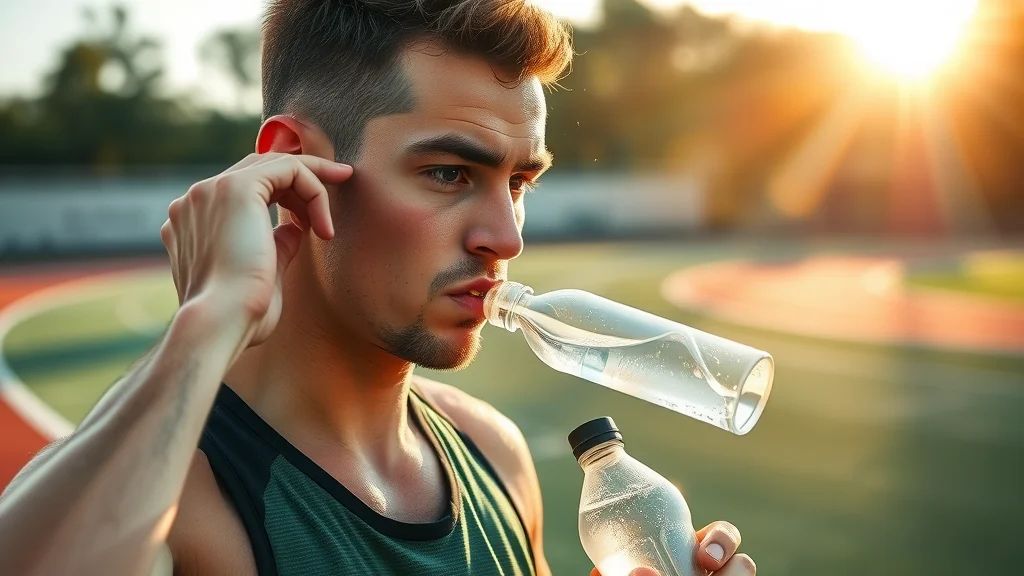

drinking enough water athletic performance sports medicine water bottle photorealistic sunrise

Hydration, Electrolytes, and Exercise: How to Stay Hydrated for Peak Output

When you work out, especially in hot environments or during intense exercise, you lose more than water through sweat—you also shed key electrolytes like sodium and potassium. Replenishing these is critical to stay hydrated and support your athletic performance. Electrolytes help your muscles contract and relax efficiently, and they play a role in preventing muscle cramps and fatigue during prolonged or strenuous activity.

The right hydration strategy replaces both fluid and electrolyte loss. For example, sports drinks are formulated with electrolytes and a small amount of carbohydrates to help you maintain energy during longer sessions (usually over 60 minutes). For most people doing moderate exercise, drinking water suffices. However, when you push your limits, especially in the heat, fluid and electrolyte balance becomes a significant performance factor, as supported by sports medicine literature and guidelines.

Hydration Strategies: How to Hydrate During Workouts Before, During, and After

Before Exercise: How to Hydrate for Optimal Athletic Performance

  • Hydration timing and recommended fluid volumes: Start drinking water 2–3 hours before exercise (aim for 500ml, or about 17 ounces). Top off with another glass 15–20 minutes ahead of your workout for optimal athletic performance.

  • The role of water, sports drinks, and electrolyte beverages: For most, water is ideal before exercise. However, in hot climates or if beginning already somewhat dehydrated, a sports drink or electrolyte beverage can provide a head start on mineral replenishment and support high energy output.

Getting your hydration right before exercise not only preps you for the session ahead—it also minimizes your risk of early fatigue, muscle cramps, and impaired focus. Sports medicine experts recommend that if you’re starting exercise in a well-hydrated state, you’ll have a better chance of maintaining performance throughout.
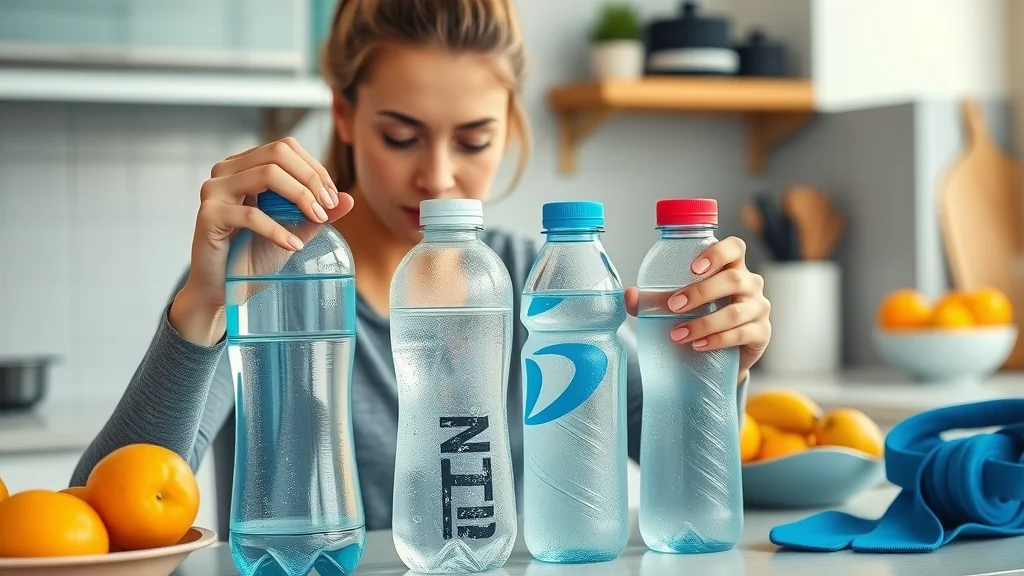

sports drink electrolyte sports medicine water bottles drinking water fruits and vegetables photorealistic

How to Hydrate During Workouts: Fluid Needs During Exercise

Your body’s fluid needs escalate once you start moving. During exercise, aim to drink small, steady sips of water or a hydration beverage every 10–20 minutes. For activities under 60 minutes, water is generally sufficient. For moderate to intense workouts exceeding an hour—especially in hot environments—sports drinks with electrolytes may be a better choice to keep your energy and sodium levels balanced.

Use this simple table to estimate what to drink and when during workouts:

Timing

Water (ml)

Electrolyte Drink (ml)

Sports Drink Recommendation

Before Workout

500

0–150

Not always necessary

During Workout (per hour)

400–800

100–200

Recommended for sessions >60 min

After Workout

500–1000

150–250

Optional based on sweat loss

After Exercise: Rehydration and Recovery for Athletic Performance

  • How to calculate sweat loss: Weigh yourself before and after your workout. For every pound (0.45 kg) lost, drink roughly 500-700ml water plus a balanced electrolyte beverage.

  • What to drink post-workout: Water works for most sessions; for longer or sweat-heavy workouts, sports drinks or homemade electrolyte solutions speed up recovery by replacing lost sodium and potassium.

  • The role of sodium and potassium: These minerals are crucial for rehydration and to prevent muscle cramps, helping your body absorb and retain water after a tough workout.

A smart recovery routine is just as important as pre-hydration. Many overlook the need for balanced fluid and electrolyte intake after a workout, but replenishing sodium, potassium, and fluids quickly speeds healing—getting you ready for your next session with renewed athletic performance.
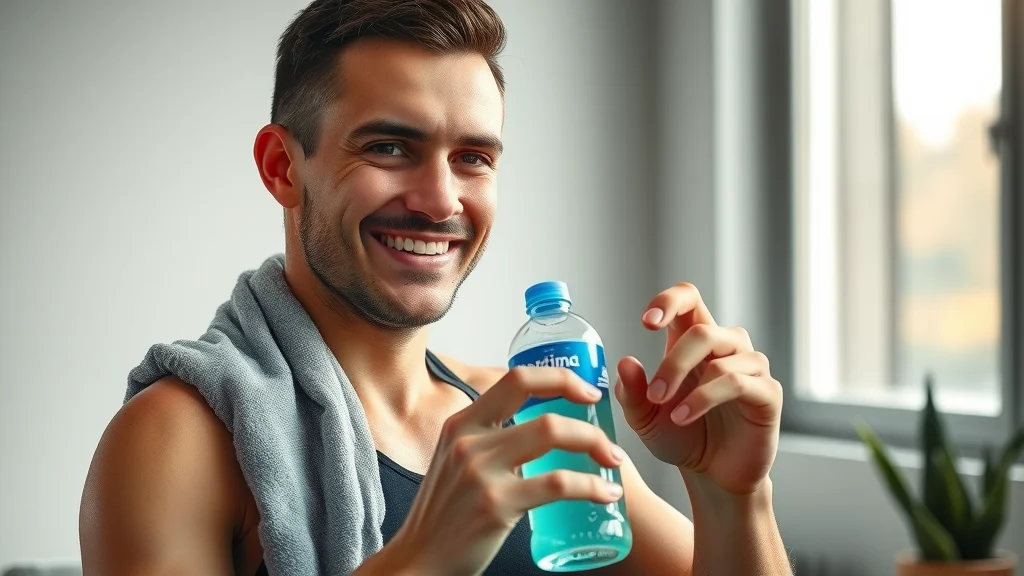

electrolyte drink sports drink hydration post-workout water bottle drinking water home gym photorealistic

Sports Drinks, Water, and Alternatives: What to Drink and When

Comparing Water, Sports Drinks, and Electrolyte Drinks for Staying Hydrated

The decision between water, sports drinks, and electrolyte waters comes down to exercise type, sweat rate, and individual needs. Water is usually sufficient for most, but sports drinks can be a good idea in specific scenarios. The key is matching your beverage to your level of effort and fluid loss:

Drink Type

Best For

Key Electrolytes

Sugar Content

Athletic Performance Impact

Water

All workouts, low sweat

Minimal

0g

High hydration, no energy boost

Sports Drinks

Intense or long-duration

Na, K

15–25g/serving

Replenishes electrolytes, energy

Electrolyte Waters

Moderate sweat, balanced diets

Na, K, Mg

0–2g

Refined hydration, low sugar

For a typical gym session or short outdoor activity, staying hydrated with water from a reusable water bottle suffices. If you’re training hard, racing, or sweating heavily, a sports drink can give you the edge in both energy and recovery.

When to Choose Sports Drinks Over Water for Maximum Athletic Performance

  • Duration and intensity thresholds: If exercise exceeds 60 minutes or features high output (think soccer, CrossFit, or long runs), sports drinks help replenish lost sodium, potassium, and simple carbs for sustained athletic performance.

  • Guidelines from sports medicine experts: Opt for sports drinks if you sweat heavily, train in heat, or notice muscle cramps during or after intense sessions; otherwise, drinking water is adequate and healthier for most uses.

Athletes should pay attention to their body's signals—if you’re feeling sluggish, cramping, or your workout is extremely long, liquid energy and electrolytes are more than a good idea: they’re essential for maintaining safe and effective hydration.

Alternative Hydration Options: Coconut Water, Homemade Electrolyte Drinks, and More

Not a fan of commercial sports drinks? There are nutritious alternatives that can play a role in staying hydrated and supplementing your fluid and electrolyte needs, especially for those wary of high sugar content or artificial flavors. Coconut water offers natural potassium and is a refreshing post-workout drink. Homemade electrolyte beverages—combining water, citrus juice, a pinch of salt, and a bit of honey—provide customizable hydration without additives.

Infused waters, featuring fresh cut fruits and vegetables, can also make plain water more appealing, while providing trace minerals and antioxidants. The main takeaway: regardless of your beverage preference, monitor your fluid intake and look for drinks that best support your body’s needs and athletic performance.
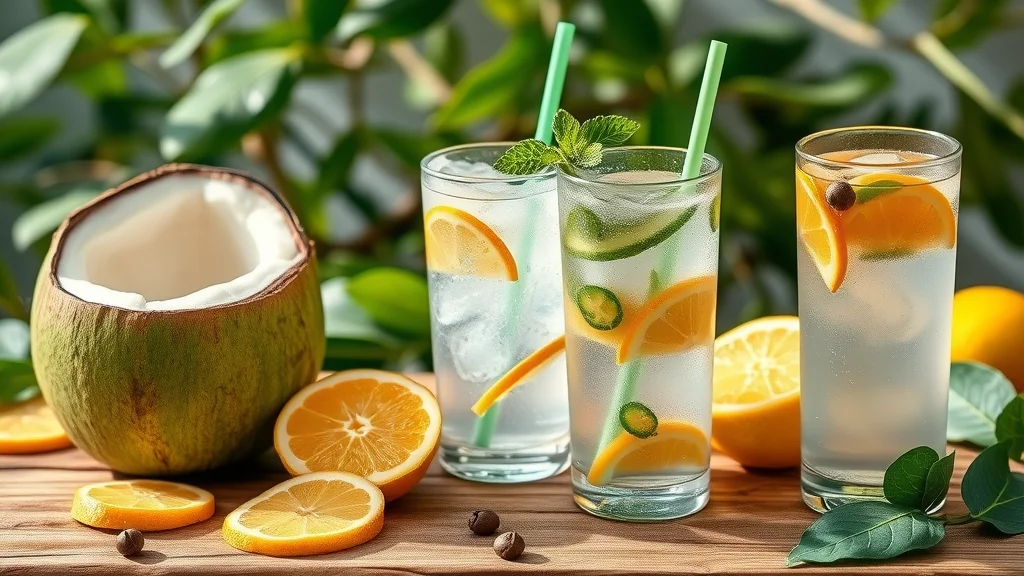

hydration alternatives coconut water fruit infused water sports drink electrolyte drink photorealistic

Personalizing Your Hydration Plan: Hydrate During Workouts for Any Level

Assessing Individual Needs: Sweat Rate, Climate, and Body Type

No two people are alike in their hydration requirements. Your sweat rate, the temperature and humidity (climate), and your own body size play a role in determining how much fluid and which type of beverage you need. Heavier individuals often lose more water during exercise than lighter individuals, and hot, humid environments raise hydration demands significantly. Using a hydration app or simply weighing yourself before and after exercise can help refine your approach.

Remember, athletic performance and recovery depend on finding your personal “sweet spot” for fluid and electrolyte intake. Older adults and people with medical conditions (such as high blood pressure or kidney issues) should consult a healthcare provider or sports dietitian to individualize their plan. Using smartwatches or hydration monitoring devices can be particularly useful for athletes looking to increase their awareness and stay well-hydrated every session.
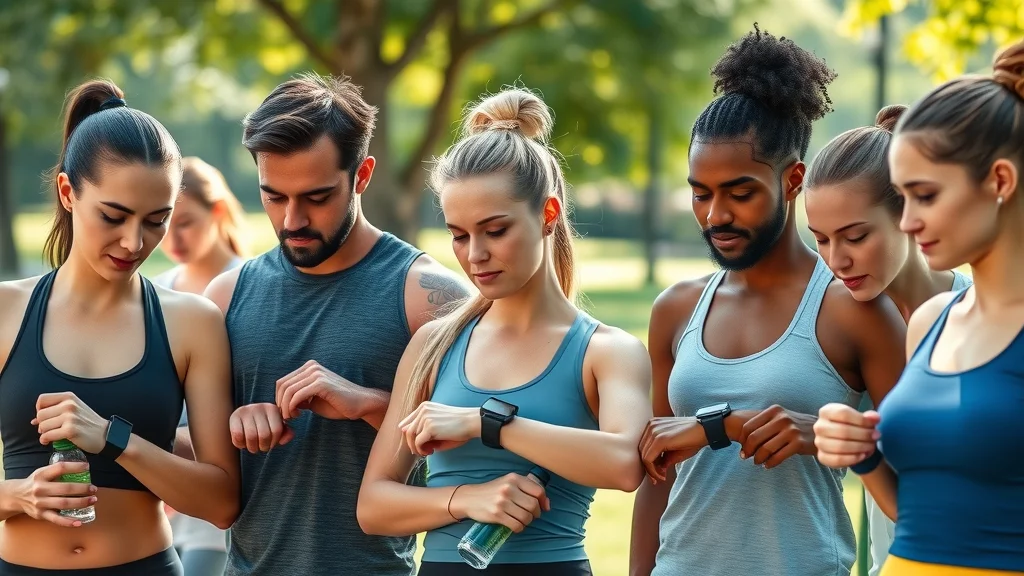

how to hydrate during workouts sweat rate hydration app body type personal hydration smart tech water bottle photorealistic

Common Hydration Myths and Science-Backed Facts

There are plenty of myths about how to hydrate during workouts. For example, some believe that energy drinks or sports drinks are always necessary. In reality, many athletes perform optimally with water alone unless they are undertaking high-intensity or marathon activities. Another myth is that drinking too much water is always better; but overhydration can dilute your body’s sodium, resulting in a dangerous condition called hyponatremia. Science shows that paying attention to thirst, body weight, and even urine color is a practical, evidence-based way to stay on target for optimal athletic performance.

Understanding when, what, and how much to drink helps you avoid pitfalls and enjoy the full benefits of a smart hydration strategy. The truth? Hydration is personal, and your body will usually give you the best cues for what it needs.

“Not everyone needs a sports drink; for many, water suffices unless you’re sweating buckets or going for hours.” – Dr. Sidney Lowell, Sports Nutritionist

People Also Ask: Expert Answers on How to Hydrate During Workouts

How to properly hydrate during exercise?

Before, during, and after exercise, drink water in small, frequent amounts. If exercising over an hour, use a sports drink with electrolytes. Monitor your thirst, weight, and urine color for personalized guidance.

What is the best drink for hydration during exercise?

The best drink for hydration depends on your activity: water for short or low-intensity workouts, and sports drinks with electrolytes and carbohydrates for longer or high-intensity sessions, according to sports medicine recommendations.

What is the fastest way to hydrate your muscles?

To rapidly hydrate muscles, consume fluids with electrolytes and a moderate amount of sodium. Fluid absorption is enhanced when paired with some carbohydrates, making sports drinks effective for this purpose.

How to stay hydrated without having to pee all the time?

Drink small, consistent amounts over time rather than large amounts at once. Pair fluids with electrolytes and avoid overhydrating. Monitor your body’s cues and spread intake before, during, and after activity.

Key Takeaways: How to Hydrate During Workouts for Peak Athletic Performance

  • Monitor hydration before, during, and after exercise

  • Water suffices for most, but sports drinks are beneficial for long or intense workouts

  • Personalize your approach and listen to your body

FAQs: Answers to Common Questions About How to Hydrate During Workouts

  • Do caffeine drinks dehydrate you during workouts? Moderate caffeine intake doesn’t significantly increase fluid loss in most athletes; energy drinks with excessive caffeine, however, can dehydrate. Stick to water or balanced sports drinks for best hydration.

  • How much water should you drink per hour of exercise? Aim for 400–800ml (about 13–27 ounces) per hour depending on sweat rate, climate, and personal tolerance. Adjust based on thirst and how much you sweat.

  • Can you overhydrate during exercise? Yes. Drinking excessively, especially just water, can dilute body sodium and cause hyponatremia. Balance intake with electrolytes, especially during long or intense sessions.

  • How does climate influence your hydration strategy? Hot or humid climates require more frequent, higher volume hydration, sometimes with extra electrolytes. In cooler areas, listen to thirst and don’t force large amounts of fluid intake if you’re not sweating as much.

Ready to optimize your workout routine? Discover more expert fitness and hydration tips—subscribe to stay ahead!

Conclusion

Mastering how to hydrate during workouts boosts athletic performance, supports recovery, and helps you reach every training goal. Stay proactive with your hydration—before, during, and after every session.

Sources

  • American College of Sports Medicine – https://www.acsm.org

  • Academy of Nutrition and Dietetics – https://www.eatright.org

  • NCAA: Hydration – https://www.ncaa.org

  • Mayo Clinic – https://www.mayoclinic.org

  • CDC: Hydration & Nutrition – https://www.cdc.gov

To further enhance your understanding of effective hydration strategies during exercise, consider exploring the following resources: “13 Ways to Get the Most Out of Your Workout, According to Research” (time. com) This article provides science-backed strategies to maximize workout effectiveness, including the importance of staying hydrated to maintain performance and aid recovery. “How to Hydrate During Exercise: Essential Tips for Maximum Performance!” This video offers practical advice on the importance of hydration, optimal timing, and quantities to drink before, during, and after workouts. If you’re serious about optimizing your workout routine, these resources will provide valuable insights into effective hydration practices.

Fitness Headlines

0 Comments

Write A Comment

*
*
Related Posts All Posts
03.01.2026

Unlocking Arm Strength: The Ultimate Arm Workout for Maximum Muscle

Update The Ultimate Arm Workout: 7 Exercises for Maximum Gains When it comes to building impressive arm strength and size, not all exercise regimens are created equal. Drawing from the insights shared in the video titled Ultimate Arm Workout | 7 Exercises for Maximum Muscle, this article delves into the essentials of arm training, tailored specifically for fitness enthusiasts and gym owners eager to boost their workout offerings.In Ultimate Arm Workout | 7 Exercises for Maximum Muscle, the discussion dives into effective arm training techniques, exploring insights that sparked deeper analysis on our end. Understanding the Anatomy of Arm Workouts Before diving into specific exercises, it’s crucial to understand the different muscle groups that make up the arms. The bicep comprises the front of the upper arm, while the tricep is located at the back. A well-rounded arm training program should address both muscle groups for optimal aesthetics and performance. This balance prevents muscular imbalances, promotes joint health, and enhances overall strength. Seven Essential Exercises for Arm Development The workout presented in the video features seven targeted exercises. For gym owners, adding these to your routine may help attract customers seeking effective arm training. Here are the highlighted exercises: Dumbbell Bicep Curls: A classic move that isolates the bicep for growth. Skull Crushers: Perfect for hitting the triceps, ensuring balance in arm development. Hammer Curls: Engages both the biceps and forearms for robust results. Close-Grip Bench Press: A compound movement that works the triceps effectively. Tricep Dips: Utilizing bodyweight, this exercise is excellent for enhancing tricep strength. Preacher Curls: Focuses on the bicep peak, critical for those seeking definition. Overhead Tricep Extensions: This exercise targets the long head of the tricep for balanced muscle growth. Common Misconceptions in Arm Training A prevalent myth in fitness is that higher volume equals better results. However, it's not just about how many sets or reps you perform; form, technique, and rest periods are critical components of any effective workout. Additionally, many beginners mistakenly focus solely on biceps. A comprehensive workout that includes triceps is essential for symmetry and strength. Cultivating a Community Around Arm Workouts For gym owners, understanding your clientele's motivations can lead to a more engaged community. Many members may desire to enhance their physical appearance or athletic performance. Hosting a workshop on arm development, using these seven exercises as a foundation, could foster participation and community spirit. Future Trends in Arm Training The trend towards specialized workout routines has seen traditional exercises paired with modern fitness technology. Wearable fitness trackers and apps that log your progress can complement these arm workouts, offering users a comprehensive view of their performance. Expect to see more of these tools integrated into training programs, particularly for muscle-specific workouts. Challenges in Achieving Maximum Muscle Development One challenge many face is overcoming workout plateaus. Using a range of these exercises, along with varying rep schemes and intensities, can prevent stagnation. Moreover, hydration, nutrition, and adequate rest all play significant roles in recovery and growth. Gym owners should educate their clients on these essential factors to enhance their arm training routine. Actionable Tips for Success Here are practical insights you can apply: Rotate exercises regularly to keep the routine fresh. Incorporate progressive overload to challenge muscles effectively. Encourage customers to track their progress for motivation. If you're looking to elevate your arm workout routines based on the insightful discussions in Ultimate Arm Workout | 7 Exercises for Maximum Muscle, now's the time to integrate these approaches into your regimen. Embrace variation and community, and see how your arm training offerings can foster engagement among gym members. Remember, a strong marketing strategy can also enhance the packages you offer, bringing in new clientele eager to build impressive arms. Start enhancing your workout offerings today!

03.01.2026

The Critical Impact of Recovery: Preventing Overtraining in Fitness

Update Understanding Overtraining: A Hidden Danger in Fitness Overtraining syndrome (OTS) is a serious but often overlooked issue among fitness enthusiasts and gym owners. While the drive to push harder and achieve better results is commendable, it's crucial to understand that training intensity should be balanced with recovery. The video Overtraining Takes Weeks to Develop | Here's Why Recovery Matters effectively highlights the importance of recognizing overtraining, which can develop gradually and lead to long-term setbacks.In Overtraining Takes Weeks to Develop | Here's Why Recovery Matters, the discussion dives into overtraining, exploring key insights that sparked deeper analysis on our end. The Symptoms of Overtraining and How to Identify Them Knowing the symptoms of overtraining is vital for athletes and trainers alike. Signs can vary from physical symptoms like persistent fatigue and muscle soreness to psychological aspects such as mood swings or increased anxiety. This comprehensive understanding can empower gym owners to monitor their clients' wellness more closely and implement strategies to prevent overtraining. Historical Context: The Evolution of Training and Recovery Historically, the landscape of fitness training has shifted dramatically. In the early days of bodybuilding and athletics, many believed that more was always better. This mindset led to numerous athletes suffering from overtraining without knowing it. Today, the understanding of recovery and its significance has evolved, with well-established recovery protocols becoming a standard part of fitness regimens. The Importance of Recovery: Building Blocks of Athletic Performance Recovery is not a luxury but a necessity. The muscle recovery process allows the body to repair itself and adapt to new stresses. Gym owners and trainers are encouraged to focus not only on the training aspect but also on the recovery strategies implemented within their programs. This could include active recovery days, nutritional support, and sleep optimization. Counterarguments: The Controversy Around Training Intensity While many experts advocate for higher intensity training as a means to achieve superiority in performance, some argue that this approach can lead to overtraining. This highlights a paradox; how to balance intensity with recovery to maximize performance. Addressing this controversy in fitness programming can help gym owners tailor their offerings to meet both client goals and health needs. Actionable Insights: Strategies to Prevent Overtraining The prevention of overtraining syndrome is not only practical but essential in upholding the health and wellness of clients. Gym owners can introduce specific training programs that prioritize recovery, implement feedback systems to monitor client wellness, and promote educational workshops focusing on the importance of recovery. Regular check-ins can help trainers adjust intensity levels based on clients' feedback on how they feel both physically and mentally. Social Connection: Creating a Culture of Recovery Encouraging a culture of recovery fosters community among gym members. It's essential for fitness enthusiasts to share their experiences and understand that recovery shouldn't be viewed as a sign of weakness. Making recovery a group discussion can increase acceptance and support within the gym environment. Future Insights: Trends in Recovery and Wellness Within Fitness Looking forward, the fitness industry is likely to see an increase in recovery-focused services. Technologies such as wearable devices that monitor fatigue levels and recovery times are emerging, allowing for a more data-driven approach to training and wellness. Implementing these tools can give gym owners a competitive edge and create tailored experiences for their clients. Conclusion: Embrace Recovery for Long-Term Success In the rush to achieve fitness goals, understanding and prioritizing recovery is more crucial than ever. As discussed in the video Overtraining Takes Weeks to Develop | Here's Why Recovery Matters, ensuring balanced training with recovery will not only help maintain optimal performance but sustain an athlete's longevity in the sport. Remember, creeping fatigue may seem innocuous at first but can lead to substantial consequences if not addressed. For gym owners and fitness enthusiasts alike, taking a proactive stance on recovery can lead to significant results over time. Let's commit to fostering an environment where every workout is balanced with sufficient recovery, allowing everyone to achieve their goals safely and effectively.

03.01.2026

The Sober-Curious Movement: How Fitness is Reshaping Drinking Culture

Update The Sober-Curious Movement: A Growing Trend Among Fitness Enthusiasts As the cultural landscape around drinking evolves, the fitness community finds itself at the forefront of a transformative trend known as the sober-curious movement. This movement isn't merely a rejection of alcohol; instead, it's an invitation to rethink the complex relationship individuals have with drinking. In a world increasingly focused on health, wellness, and optimization, more people across generations—especially millennials and Gen Z—are interested in exploring life with less alcohol. From Nightlife to Daylife: A Shift in Social Rituals The traditional nightlife norm, characterized by weekend parties and after-hour bars, is fading, replaced by a focus on wellness-oriented daytime activities. In cities known for their fitness culture, like Los Angeles and West Palm Beach, fitness-based social events—even during weeknights—are trending. Jason Ashton, founder of Last Rep, notes that the community is moving toward health-centric connections: “We’re seeing organized fitness events in both the mornings and evenings, which emphasizes a shift from escapism to optimization.” This change reflects a growing desire for social connections that enhance rather than hinder personal wellness. The Psychology Behind Sober Curiosity What drives this change? According to Dr. Toby Sanchez, a clinical psychologist, the sober-curious movement stems from a heightened awareness of alcohol’s impact on mental and physical health. As people become more attuned to their body and mood changes, they often seek alternatives. The societal stigma around choosing not to drink is diminishing, allowing individuals to feel more empowered in their decisions. Today, it’s entirely acceptable to attend gatherings without consuming alcohol, thanks to the growing availability of non-alcoholic options and socially conscious venues. Meeting the Demand: The Rise of Alternative Beverages Coined "alt-bevs," today's alternatives include mocktails, THC-infused seltzers, and adaptogenic drinks promising health benefits. This boom presents a new market valued at $500 billion, paired with the 90-year low in U.S. alcohol consumption. As noted in various industry reports, the traditional $15 spent on cocktails is now being redirected toward beverages that promote overall vitality and energy. For fitness enthusiasts, these drinks are not merely about taste but also about representing a lifestyle of balance and self-care. Tara Oporto, CEO of Enchantra, muses, “People want connection that adds to their life, not connection that requires recovery.” Consumer Behavior: Prioritizing Health and Identity As consumers become more educated about their lifestyle choices, the drinking habits they adopt are influenced both by health consciousness and the identity they wish to portray. Returning to the essence of social connection, innovative options like low-alcohol wines and functional beverages cater to this desire while reflecting what individuals value: performance, clarity, and community health. Users often join movements like Dry January, where initial curiosity lends itself to an ongoing health consciousness. Actionable Tips to Embrace a Sober-Curious Lifestyle If you find yourself intrigued by the sober-curious movement, consider these strategies: Set Intentions: Write down your reasons for wanting to cut back on alcohol. Reflect on how a shift could enhance your life. Start Small: Test the waters by attempting an alcohol-free evening or participating in events centered on well-being. Explore Alternatives: Experiment with non-alcoholic options available at restaurants and social gatherings, feeling empowered by making informed choices. Gather Support: Seek communities centered around fitness or healthy activities where alcohol isn’t the main focus. Surrounding yourself with like-minded individuals can foster encouragement. Engaging with the sober-curious movement is not about completely eliminating social enjoyment but rather evolving it to embrace health, connection, and longevity. Conclusion: Redefining Social Connections The sober-curious movement is reshaping the way we experience community, facilitating connections centered around fitness, health, and wellness. The emergence of alternative beverages and changing social norms signals that thriving doesn't require inebriation; it demands clarity and purpose. This evolution in drinking culture gifts individuals the power to prioritize their health while nourishing fulfilling relationships. Whether you're a gym owner or a fitness enthusiast, acknowledging this shift can profoundly influence your personal and professional network.

Terms of Service

Privacy Policy

Core Modal Title

Sorry, no results found

You Might Find These Articles Interesting

T
Please Check Your Email
We Will Be Following Up Shortly
*
*
*