

Imagine reaching up, gripping a bar, and feeling your core ignite as you lift your knees higher with each rep. The journey from trembling arms to a powerful, controlled knee tuck is more than just a fitness challenge—it’s a personal transformation. For beginners hoping to unlock solid core strength, or seasoned gym-goers seeking a new level of total body control, the hanging knee raise offers both a test and a reward. In this comprehensive guide, you’ll discover not only how to do the hanging knee raise, but also why it’s a foundational movement, exactly which muscles it works, mistakes to avoid, and how to keep improving—whether you’re starting out or refining your technique for the long haul.
Unlocking Strength and Skill: Why the Hanging Knee Raise Matters
- The hanging knee raise can transform your core strength by challenging your abdominal muscles in a dynamic, functional way that simple sit-ups or crunches can’t match.
- Achieving clean reps builds not just strength, but also confidence in your body’s ability to progress and adapt. Each controlled movement reinforces your focus and perseverance.
- This exercise enhances total fitness—from improved posture and balance to better performance in everyday tasks and athletic pursuits. Whether you’re lifting groceries or sprinting on a field, the stability gained pays dividends at every stage.

What You'll Learn About the Hanging Knee Raise
- Proper hanging knee raise technique
- Muscles worked and benefits
- Avoiding common hanging knee raise mistakes
- Progressions, regressions, and alternatives
What Is the Hanging Knee Raise (Knee Tuck)?
- The hanging knee raise—sometimes called a hanging knee tuck—is a bodyweight exercise performed by hanging from a bar and drawing the knees up toward the chest. It’s a go-to move for building core strength and stability.
- Variants include traditional knee tucks (performed while sitting or lying), hanging knee tucks (knees toward chest from a hanging position), and hanging leg raises (lifting straight legs for more intensity). Each targets the core in slightly different ways and choosing between them depends on your ability and goals.
- All you need is a sturdy pullup bar or stable overhead bar with supportive grips. For most people, the hanging knee raise is less demanding than the straight-leg raise but still challenging enough to deliver results.
- If you’re working on mastering knee tucks and want to progress, consider advancing to leg raises over time. Start with knee tucks for better form and foundational strength before moving to more complex variations.
Muscles Worked During the Hanging Knee Raise
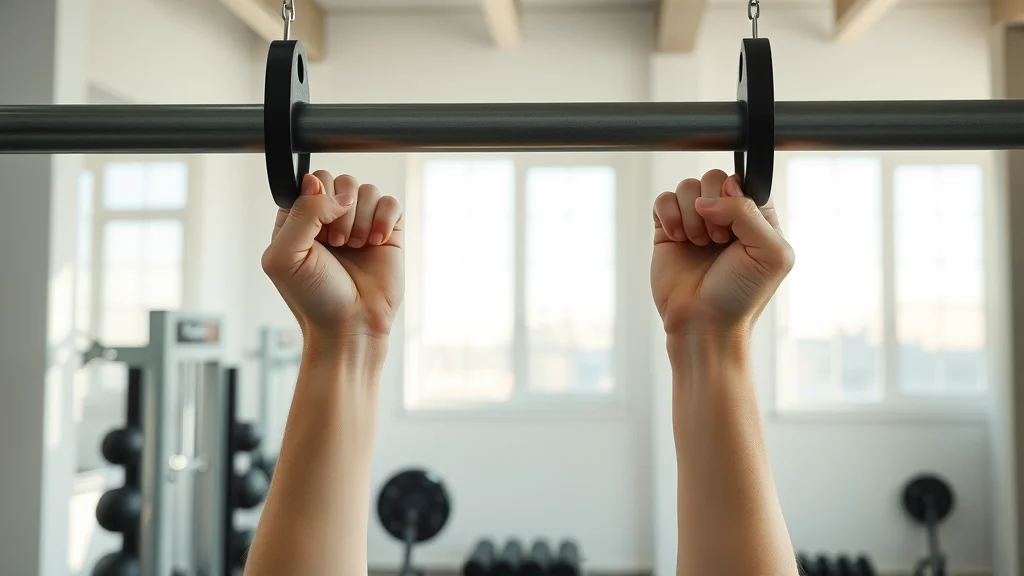
- Your primary core muscles—in particular the rectus abdominis (“six-pack”), obliques (sides), and hip flexors (front of hips)—work hardest to lift and tuck your knees.
- Supporting muscles play a crucial role: Your grip, forearms, shoulders, and lats stay engaged as you stabilize your entire body, making the hanging knee raise a true total body exercise for the upper body and core.
- Compared to the hanging leg raise, which shifts more effort to the lower abdominals and demands greater flexibility and control, the knee tuck offers a manageable starting point for building foundational strength before advancing.
| Exercise | Primary Muscles | Supporting Muscles | Difficulty Level |
|---|---|---|---|
| Hanging Knee Raise (Knee Tuck) |
Rectus abdominis, obliques, hip flexors | Grip, forearms, shoulders, lats | Beginner – Intermediate |
| Hanging Leg Raise | Lower rectus abdominis, hip flexors | Grip, shoulders, lats, lower back | Intermediate – Advanced |
| Hanging Knee Tucks | Rectus abdominis, hip flexors | Grip, shoulders | Beginner |
Hanging Knee Raise Benefits: Why Do This Exercise?
- Improved core strength: The hanging knee raise directly targets your ab muscles, teaching your body how to stabilize, control, and drive upward motion without assistance from the ground.
- Better performance in sports and daily life: Building a resilient core supports everything from running and jumping to simply sitting with better posture, translating to more efficient movement and reduced risk of injury.
- Enhanced mobility and flexibility: Moving your knees and hips through a controlled range promotes active flexibility, benefiting athletes and anyone seeking a healthier lower back and hips.
- Scalability: From total beginners to advanced athletes, the exercise can be adapted by adjusting tempo, adding weight, or modifying the motion for steady progress.
- Injury prevention: Solid core muscles and grip strength are crucial in fending off strains, particularly in the lower back, during both workouts and everyday activities.
"The hanging knee raise is a fundamental movement for core strength," says certified fitness coach.
Step-by-Step: How to Do the Hanging Knee Raise Correctly
- Starting position: Grab a pullup bar with your hands shoulder width apart, palms facing away or toward you as preferred. Allow your body to hang with arms extended, shoulders pulled gently downward and slightly back, engaging your lats.
- Execution: Keeping your core tight, exhale and slowly lift your knees toward your chest using a controlled knee tuck motion. Your lower back should stay neutral—avoid swinging or arching.
- Controlled lowering: Pause briefly at the top, then inhale and slowly lower your legs, returning to the starting hang with control. Fight the urge to “drop” your legs; the descent is as important as the lift.
- Breathing and tempo: Exhale as you lift, inhale as you lower. Aim for smooth, unhurried reps—quality beats quantity every time.
- Demonstration: Refer to clear photos or video for detailed form tips, such as proper hand position, leg alignment, and a stable, steady core.
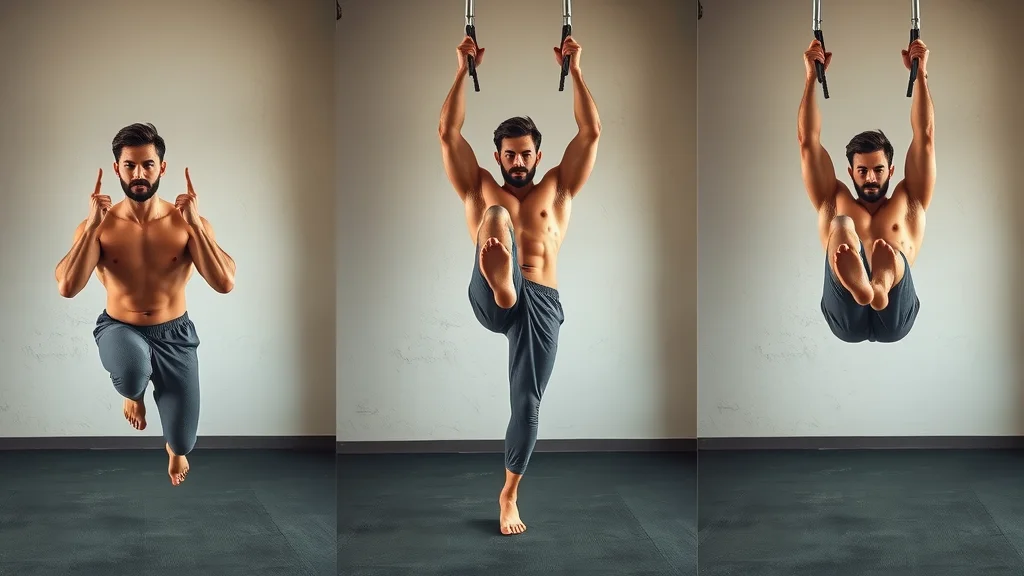
A certified instructor guides you through the hanging knee raise technique, focusing on setup, knee tuck motion, grip, and full range. Key cues include keeping shoulders engaged, initiating with the core, and avoiding any swinging for best results.
Key Coaching Cues for the Hanging Knee Raise
- Avoid swinging: Movement should come from the core, not momentum. Start and end each rep with your body motionless.
- Engage lats and shoulders: Pull your shoulder blades down and back to keep your upper body stable throughout.
- Full range of motion: Tuck your knees as high as your mobility allows while maintaining control—don’t stop halfway.
- Keep legs together: This activates the abdominal wall and hip flexors evenly, ensuring a more balanced and effective rep.
Common Hanging Knee Raise Mistakes and How to Fix Them
- Using momentum and swinging: If your legs or body are swinging, you’re losing the core focus. Solution: reset between reps, slow down, and perform a “dead hang” before initiating each lift.
- Incomplete range of motion: Not bringing your knees high enough reduces effectiveness. Solution: aim to bring your thighs at least parallel to the ground or higher if flexibility allows.
- Not engaging the core or shoulders: Allowing your shoulders to shrug or abdomen to relax shifts the load. Solution: maintain tension in the core and pull shoulders down throughout.
- Letting grip fatigue limit performance: If your hands give up before your abs, strengthen your grip with additional forearm work or try supportive grips.
'Rushing the movement and using momentum makes the hanging knee raise far less effective,' warns coach Raj Ganpath.
Hanging Knee Raise vs Hanging Leg Raise: What's the Difference?
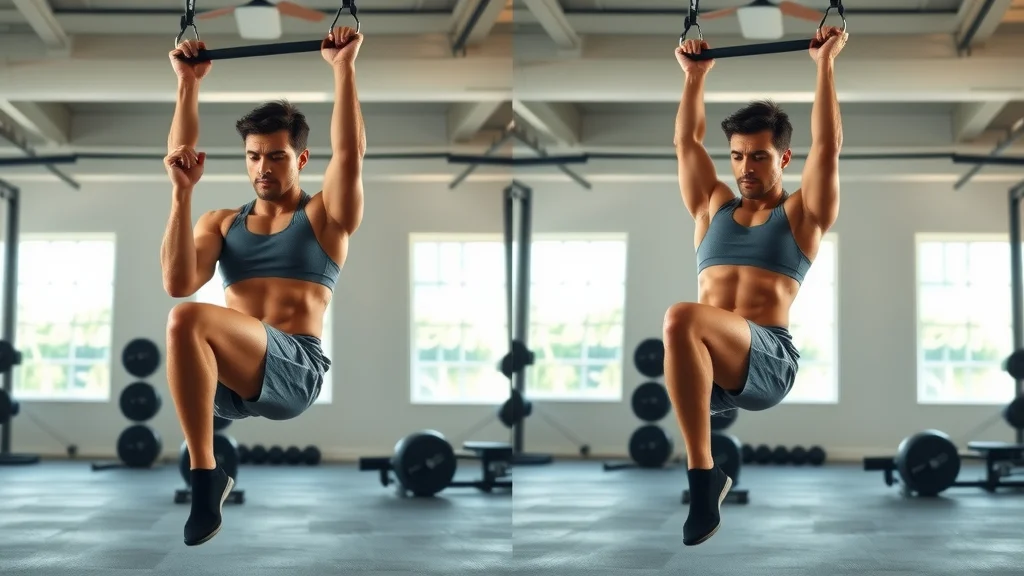
- Technical breakdown: In the knee tuck, knees are bent and raised toward the chest. In the leg raise, legs stay straight throughout the movement, raising up as a solid unit.
- Pros and cons: Knee tucks are easier on the lower back and more accessible for beginners. Leg raises require more strength and flexibility but target the lower abs more intensely.
- When to switch: Once you can perform multiple sets of controlled knee tucks with ease, try adding the leg raise for increased core challenge and total body strength.
Best Variations and Progressions for Hanging Knee Tucks
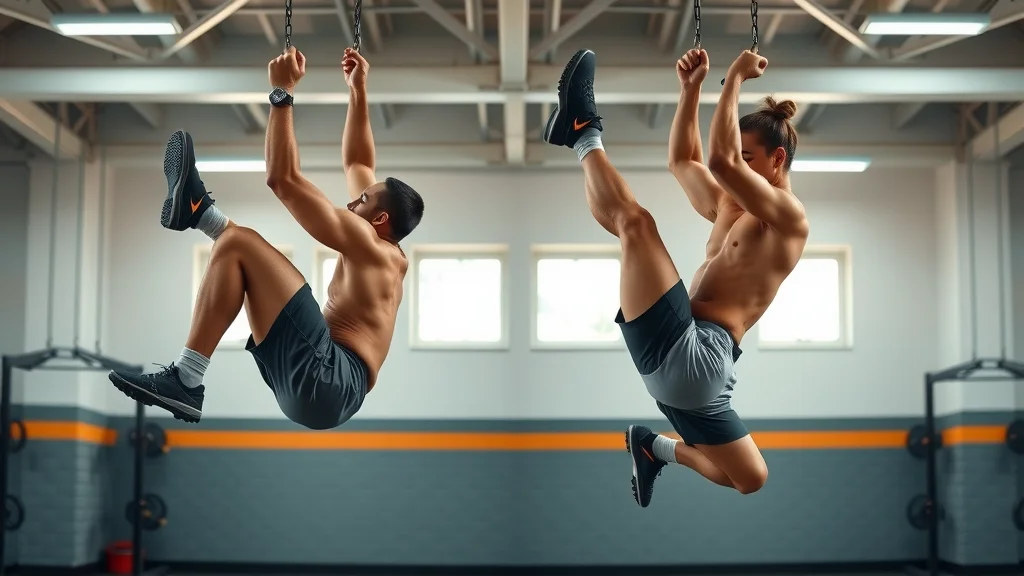
- Modified hanging knee raise: Perform partial range or keep a slight bend in elbows for added support.
- Progression to leg raise: Over time, straighten your knees as you lift for a more advanced challenge—eventually performing hanging leg raises.
- Weighted or slow-eccentric knee tucks: Add ankle weights or slow down the lowering phase to increase difficulty and time under tension.
- Hanging knee tucks every day: For those looking for daily practice, use manageable volume and focus on perfect form.

Who Should Do the Hanging Knee Raise?
- Ideal for athletes, regular gym-goers, beginners setting foundational strength, as well as advanced trainees seeking new challenges.
- Adequate mobility and shoulder stability is important. If you can comfortably hang from a bar, you likely have the prerequisites to begin.
- Especially beneficial for runners, martial artists, and anyone who wants to improve hip flexor and core strength for dynamic activities.
How to Add Hanging Knee Raises to Your Training Routine
- Try adding hanging knee tucks at the end of upper body or ab training days for the best focus and engagement.
- For beginners, 2–3 sets of 8–10 reps with 60 seconds rest is a good starting point. Intermediate and advanced athletes can aim for 3–4 sets of 12–15 reps, adding weight or slower tempo for extra intensity.
- Knee tucks every day are not required—but training 2–3 times per week allows for solid progress without overtraining. Listen to your body for recovery needs.
| Day | Beginner | Advanced |
|---|---|---|
| Monday | 2 sets x 8 reps | 3 sets x 12 reps (add weight) |
| Wednesday | 2 sets x 10 reps | 4 sets x 15 reps (slow tempo) |
| Friday | 2 sets x 8 reps | 3 sets x 12 reps (progress towards leg raise) |
Modifications and Alternatives if Hanging Knee Raise Is Too Hard
- Use a captain’s chair or parallel bars to support your arms rather than hanging with full bodyweight. Focus on the same knee tuck motion while stabilizing your upper body with your elbows or forearms.
- Floor-based knee tucks and lying leg raises allow you to train the core through a similar range without grip fatigue or the coordination challenge of hanging.
- Try scaled progressions: partial reps, lower starting height, or perform negative (eccentric) only reps for safe, manageable gains.
What to Do If You Can't Hang for a Knee Tuck
- Work on grip strength separately—try dead hangs, farmer’s walks, or resistance bands for support on the bar.
- Assisted alternatives such as using resistance bands looped over the bar can take some weight off and help you build up to an unsupported hang.
- Gradually lengthen your hangs over days or weeks, starting with short intervals and adding time as your endurance improves.
FAQs About the Hanging Knee Raise
-
Q: Do hanging knee raises burn belly fat?
A: Hanging knee raises build ab muscle but spot-reducing fat isn’t possible. For visible abs or less belly fat, overall body fat must be reduced through diet and regular exercise. -
Q: What are common mistakes with knee raises?
A: Swinging, not engaging your core, and shortening the movement are the main errors. For more, see the section on mistakes and how to fix them above. -
Q: Is hanging leg raises better than hanging knee raises?
A: Hanging leg raises are more advanced, working the lower abs harder. However, knee raises are more accessible and effective for building a strong foundation. -
Q: What can I replace hanging knee raises with?
A: Supported knee raises, lying knee tucks, and floor-based leg raises are effective alternatives for different needs and ability levels.
Key Takeaways: Master the Hanging Knee Raise
- The hanging knee raise is a must-have for building core strength and resilience
- Success comes from practicing control and perfect form—not rushing through reps
- Progress at your own pace, adding variations and difficulty as strength, confidence, and skill improve
Your Next Step: Start Practicing the Hanging Knee Raise
The journey to a stronger core starts with your first controlled rep. Apply these tips, listen to your body, and revisit this guide as you progress in skill and confidence. Consistency is your most powerful tool—get on the bar and begin your transformation today.
Sources
- Verywell Fit – How to Do the Hanging Knee Raise
- ACE Fitness – Hanging Knee Raise Exercise Library
- BarBend – Hanging Knee Raise Guide
- Bodybuilding.com – Hanging Knee Raise
To deepen your understanding of the hanging knee raise, consider exploring the following resources: “Hanging Knee Raises: Benefits, Muscles Worked, and How-To”: This comprehensive guide from Healthline details the proper technique, benefits, and common mistakes associated with hanging knee raises. (healthline. com) “How To Perform the Hanging Knee Raise: Muscles Trained, Benefits, Mistakes & Fixes”: Muscle & Fitness offers an in-depth look at the muscles engaged during the exercise, its advantages, and tips to avoid common errors. (muscleandfitness. com) These articles provide valuable insights to enhance your technique and maximize the effectiveness of your core workouts.


Write A Comment