 Add Row
  Add
Add 

Did you know only 23% of adults meet weekly strength training requirements—and even fewer feel confident starting at home? If you’re among the majority still searching for the best way to build strength without a gym, this article is designed for you. We’ll cut through the confusion and show you exactly how to do a beginner workout that fits your pace, your living room, and your long-term goals.
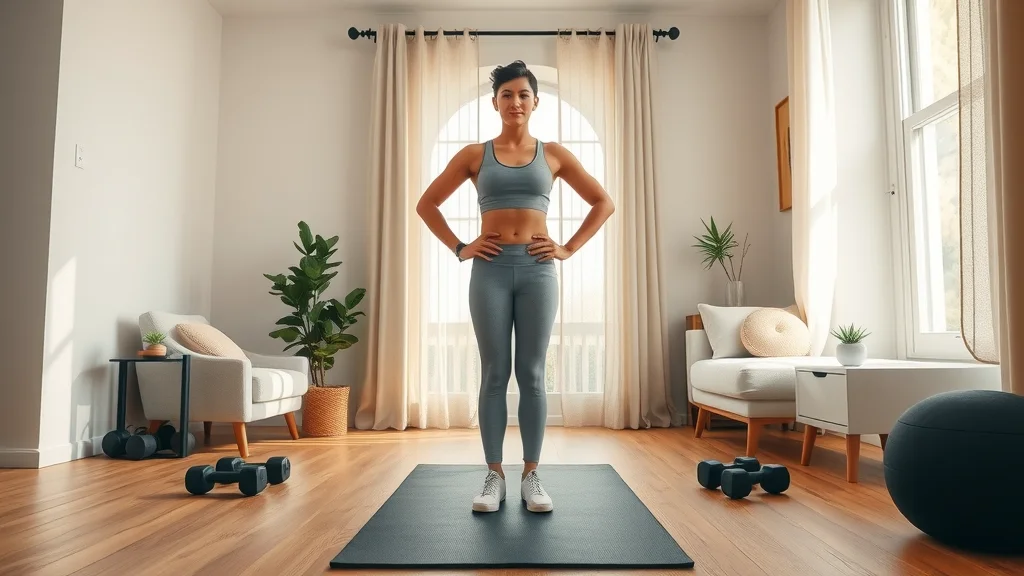
Unlocking Real Strength: Startling Statistics on Beginner Workouts
"Only 23% of adults meet recommended strength training requirements each week—even fewer feel confident beginning at home."
Whether your aim is to build muscle, increase energy, or simply feel healthier, understanding how to do a beginner workout at home is more relevant than ever. According to national fitness surveys, most adults struggle to integrate regular strength train routines—especially without access to gyms or personal trainers. This highlights not just a gap in routine, but also in confidence and know-how. Yet, the latest research shows that even 10 minutes a day of bodyweight or simple equipment exercises can produce significant strength training results, improve health metrics, and jumpstart confidence, provided that proper form, rest periods, and steady progression are built in. The real challenge is not the absence of fancy equipment, but a clear, actionable strategy, especially for novices eager to see results from the comfort of their homes.
What You'll Learn in This Guide to How to Do a Beginner Workout
- The essentials of how to do a beginner workout effectively at home
- Science-backed strategies for strength training
- Step-by-step 10-minute routines and the basics of proper form
- Common mistakes, recovery, and the importance of rest days

Why Learn How to Do a Beginner Workout at Home?
If you’ve ever put off fitness for fear of being overwhelmed or lacking the right environment, it’s important to understand the unique advantages of starting at home. How to do a beginner workout, especially from your living room, is about more than convenience—it’s about creating a routine that adapts to your lifestyle, builds foundational strength, and encourages confidence, especially for those who are new to strength training regimes. By working out at home, you eliminate barriers like travel, intimidation from advanced gym-goers, or waiting for equipment. Instead, you gain the freedom to experiment, learn proper movement patterns at your own pace, and make exercise an embedded part of your daily life.
Experts agree that consistency and accessibility can make or break long-term fitness. A simple workout structure ensures you activate all major muscle groups—lower body, upper body, and core—without risking injury that can come from rushing into advanced routines. Most importantly, the act of moving within your own space can fundamentally change your relationship with exercise, making every training day feel comfortable and achievable.
Key Benefits of Home-Based Strength Training
- Convenience and accessibility
- Building foundational strength and confidence
- Supporting long-term health and stress relief

"You don’t need a gym to strength train effectively—consistency matters more than equipment." —Certified Fitness Coach
How to Do a Beginner Workout: Core Principles for Strength Training
Understanding the core principles is crucial when learning how to do a beginner workout at home. Strength training for novices revolves around mastering movement patterns, engaging major muscle groups, and prioritizing proper form over speed or complexity. Whether aiming for weight loss, to build muscle, or simply to feel more confident, the emphasis should remain on repetition quality. Progressive overload—gradually increasing the intensity of your exercises—is essential to continual improvements and reduced plateaus. Those who start with bodyweight, then gently add resistance or repetitions, see measurable gains without overstraining their bodies. It’s equally vital to include rest periods and rest days in your routine; not allowing time to recover between sessions can lead to muscle soreness or injury, especially early on when motivation might outpace readiness.
Remember, every successful strength train routine for beginners is founded on consistency, patience, and small, sustainable adjustments. Let’s get into the details that matter most.
Understanding Strength Train Fundamentals for Beginners
- Role of muscle groups and bodyweight exercises
- Progressive overload and adaptation
Every strength training plan centers on activating and strengthening major muscle groups: the core, upper body, and lower body. For beginners, bodyweight exercises like squats, lunges, push-ups (modified or full), planks, and glute bridges offer an ideal introduction. These simple moves teach you to feel comfortable with your movement pattern and form the building blocks for future workout complexity. Incorporating progressive overload—means adding reps, sets, or resistance over time—is what drives results. For instance, starting with wall push-ups before graduating to full push-ups ensures both safety and steady progression.
As your body adapts, your movement patterns will become more efficient and you’ll build strength evenly, reducing risk of injury and muscle imbalances. It’s important to understand that setbacks, plateaus, and muscle soreness are natural parts of the process. Embrace them as opportunities to check your form, adjust rest periods, and continue growing stronger week by week.
Why Proper Form Matters in Every Beginner Workout
- Reducing injury risk
- Maximizing effectiveness of strength training
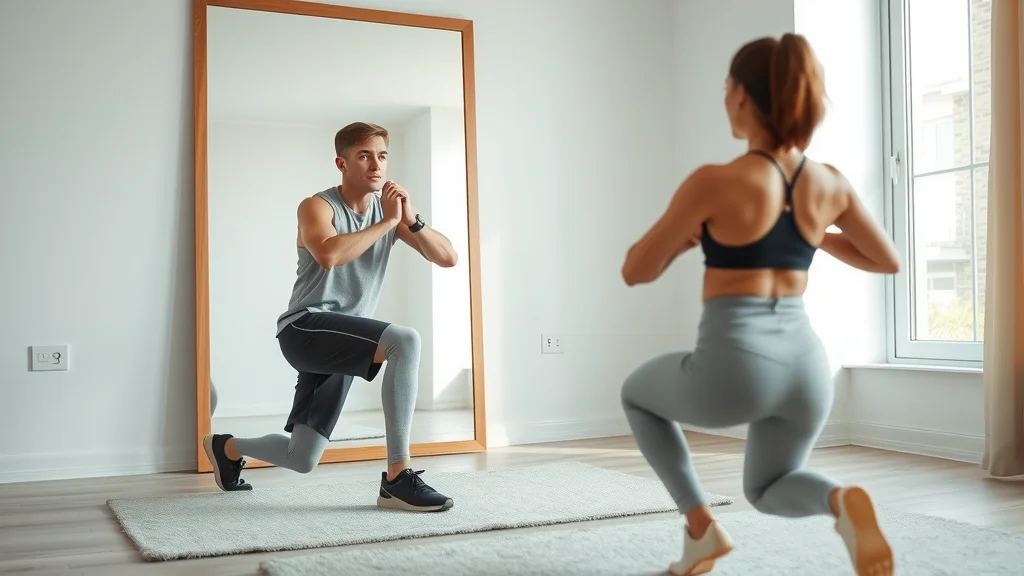
Proper form is the foundation for both safety and success in strength training. Executing beginner exercises with good form decreases the chance of injury, helps you recruit the intended muscle group, and ensures you’re actually progressing rather than simply going through the motions. Many novices rush through a workout, but by slowing down—ensuring knees don’t collapse during squats, backs remain straight during planks, or hands are properly aligned during push-ups—you maximize muscle activation and accelerate gains. Repetition with attention to the correct movement pattern helps the body learn safe, efficient strategies for lifting, pushing, and pulling, minimizing long-term wear and muscle soreness. Improved posture, confidence, and the knowledge to self-assess your exercises develop alongside your strength.
| Exercise | Beginner Focus | Advanced Variation | Why Focus on Form? |
|---|---|---|---|
| Squats | Bodyweight | Weighted goblet squat | Ensures knee alignment, protects lower back |
| Push-ups | Knee or wall push-ups | Standard or decline push-ups | Maximizes chest, shoulder, and triceps activation |
| Lunges | Standing with support | Walking or reverse lunges | Improves balance, core stability |
| Planks | Knees on floor | Full-body and side planks | Protects lower back, builds core strength |
Step-by-Step: How to Do a Beginner Workout at Home (10-Minute Routine)
With the principles established, putting them into practice is the next step. The following 10-minute beginner workout routine was crafted for efficiency, safety, and gradual progression. Whether your goal is weight loss, building muscle, or improving mood, this short sequence, centered on proper form and major muscle groups, is ideal for absolute beginners. All you need is a small open space, a yoga mat, and perhaps a pair of light dumbbells, though all moves can be done with bodyweight alone.
Before You Begin: Warm-Up and Safety Tips
- 2–5 minutes dynamic stretching for injury prevention
"A well-structured warm-up primes your body for safe, effective strength training." —Sports Physiologist

Preparation is a non-negotiable step before any exercise routine. A brief dynamic warm-up—think arm circles, gentle torso twists, or a light minute walk in place—raises heart rate, increases blood flow to muscles, and preps your joints for movement. This minimizes the risk of injury, especially for beginners who might be unaccustomed to activating various muscle groups or who have medical conditions that require caution. Dedicate 2–5 minutes to these activities before you start the main workout. Don’t forget: hydrate, clear your space, and remind yourself that it’s okay to go slow—prioritize safety and good form over speed or intensity, especially early on.
Your 10-Minute Beginner Workout: Strength Training Routine
- Minute 1–2: Bodyweight squats
- Minute 3–4: Wall push-ups or knee push-ups
- Minute 5–6: Standing lunges (alternating legs)
- Minute 7: Glute bridges
- Minute 8–9: Plank hold (knees down for beginners)
- Minute 10: Cool down and stretch (hamstrings, shoulders, back)

Move through each exercise with intention, focusing on activating the correct muscle group and maintaining good form. The squats and lunges target lower body, push-ups activate upper body and core, glute bridges reinforce hip stability, and planks fire up the entire midsection. Conclude each training day with gentle stretching to aid recovery and minimize muscle soreness.
Progressive Overload: Elevate Your Beginner Workout
- How to modify your strength training with added reps or resistance
- Tracking progress and knowing when to level up

The real gains in strength training come from incremental challenges—this is the essence of progressive overload. For new exercisers, this might mean adding 1–2 repetitions each week, increasing the depth of your squat, or transitioning from knees-down planks to full planks. As you start to feel comfortable with the beginner movement patterns, you can slowly introduce lighter weights or resistance bands. Tracking your performance—perhaps in a simple workout journal—makes it easier to spot patterns, celebrate progress, and know when it’s time to increase difficulty. Remember, each modification should still prioritize proper form and include adequate rest periods between moves for recovery.
| Week | Repetitions/Duration | Progression Note |
|---|---|---|
| 1–2 | 8 reps / 20 sec each move | Focus on proper form, learn movement pattern |
| 3–4 | 10 reps / 30 sec each move | Add reps or hold time; review form before advancing |
| 5+ | 12–15 reps / 40 sec each move | Consider adding weight or bands, introduce new variation |
The Importance of Rest Days and Recovery in Strength Training
If you’re eager to build strength, skipping rest is a common mistake. Rest days are essential for muscle growth and preventing burnout. Every time you exercise—especially with strength training—your muscle fibers adapt and recover. Over time, this process builds real muscle mass and endurance. Rest allows your body to recover between sessions, decreases injury risk, and prevents muscle soreness from becoming chronic. Even if you’re motivated to push harder, structured rest periods ensure you stay consistent over months—not just weeks—without setbacks.
When and How to Take Rest Days as a Beginner
- Recommended rest frequency for beginner strength training
- Recovery strategies: stretching, hydration, sleep
"Rest days are where the real strength gains happen." —Certified Trainer

For most beginners, strength training 2–3 days a week with at least one full rest day between sessions is ideal. This rest period allows the muscle groups worked to recover and adapt. On rest days, light activities like walking, yoga, or gentle stretching can keep joints limber and reduce muscle soreness. Prioritize quality sleep, maintain hydration, and include nutritious foods high in protein to boost recovery. Remember, skipping rest days or pushing through muscle soreness doesn’t speed progress—it can actually undermine your long-term fitness, make you more prone to injury, and erode motivation. Balancing challenge and recovery is key to a sustainable, rewarding strength train journey.
Common Mistakes to Avoid in How to Do a Beginner Workout
- Skipping rest days or progressive overload
- Ignoring proper form and warm-ups
- Comparing yourself to advanced routines

Many beginner workout mistakes stem from impatience or misinformation. Common pitfalls include skipping rest days in a rush to see results, neglecting progressive overload (leading to plateau or poor muscle development), and ignoring proper form. Warm-ups are sometimes omitted, increasing risk for injury. Another widespread error is comparing oneself to influencers or advanced athletes online, which can undermine confidence and set unrealistic expectations. At its core, how to do a beginner workout is about tuning into your body, sticking to your pace, and celebrating every bit of progress. Listen to your muscles, give them the rest they need, and remember: results come from consistency, not intensity or complexity.
People Also Ask about How to Do a Beginner Workout
What is the fitness trend in 2026?
Answer: Experts predict that in 2026, technology-driven home fitness routines and accessible strength training apps will continue to rise, making at-home beginner workouts more personalized and effective than ever before.

What is the 3-3-3 rule for workout?
Answer: The 3-3-3 rule often refers to performing three sets of three repetitions across three exercises, focusing on strength and proper form—ideal for progressive overload in beginner workouts.
What is the 4 8 12 rule?
Answer: The 4 8 12 rule is a rep scheme where you perform 4 reps with heavier weights, 8 with moderate, and 12 with lighter weights, allowing for variety and gradual strength progression in a beginner workout.
What is the 5-3-1 rule in gym?
Answer: The 5-3-1 rule is a strength training program involving sets of 5, 3, and 1 repetitions at increasing intensity—best suited for experienced lifters, but the principles of progressive overload can inspire beginner routines.
FAQs on How to Do a Beginner Workout and Strength Training
-
How many times a week should beginners strength train at home?
Most experts recommend beginners start with 2–3 strength training days per week, allowing at least a rest day between sessions for muscle recovery and adaptation. -
What equipment is best for beginner home workouts?
Beginner workouts can be performed with just your bodyweight, but a yoga mat, resistance bands, and a light set of dumbbells add versatility without being overwhelming. -
Can I strength train daily as a beginner?
It’s best to avoid daily strength training when starting out. Your muscles need time to recover between sessions, so stick with 2–3 training days and ensure proper rest periods. -
What if I miss a rest day?
If you miss a rest day, listen to your body. If you notice muscle soreness or fatigue, allow yourself extra recovery time before your next training day to prevent injury and maximize strength gains.
Key Takeaways: How to Do a Beginner Workout at Home
- Focus on consistency, rest days, and gradual progression
- Maintain proper form throughout your strength training
- Start slow and listen to your body

Begin Your Home Strength Training Journey Today
- Download our free 10-minute beginner workout tracker and start building real strength from home.
Remember: The path to lasting fitness is built on small steps, not giant leaps. Prioritize safety, progress at your pace, and celebrate every milestone.
Sources
- CDC – Physical Activity Basics for Adults
- US National Library of Medicine – Strength Training Benefits
- VeryWell Fit – Progressive Overload in Strength Training
- Healthline – Beginner At-Home Workouts
- ACE Fitness – How to Strength Train at Home
To enhance your understanding of beginner workouts at home, consider exploring the following resources: “How to Start Exercising: A Beginner’s Guide to Working Out”: This comprehensive guide offers practical advice on initiating an exercise routine, including health assessments, goal setting, and creating sustainable habits. (healthline. com) “The Workout Routine for Beginners You Need To Try, According to a Personal Trainer”: This article provides a structured circuit workout tailored for beginners, focusing on foundational movements to build strength and confidence. (nike. com) If you’re serious about starting your fitness journey at home, these resources will equip you with the knowledge and routines to build real strength effectively.


Write A Comment