Add Row
Add Element
Fitness Living Magazine Logo
UPDATE
Add Element
  • Home
  • Categories
    • Fitness Headlines
    • South Carolina
    • Top Picks
    • Gym Growth
    • Nutrition + Performance
    • Recipes + Meal Prep
    • About the Magazine
    • Featured Fitness Leader
    • California
    • Local News
  • About The Magazine
The Media Platform for Fitness Leaders & Owners.
March 16.2026
1 Minute Read

How ISI Elite Training Rock Hill Is Helping Members Boost Success Faster with Accountability Coaching

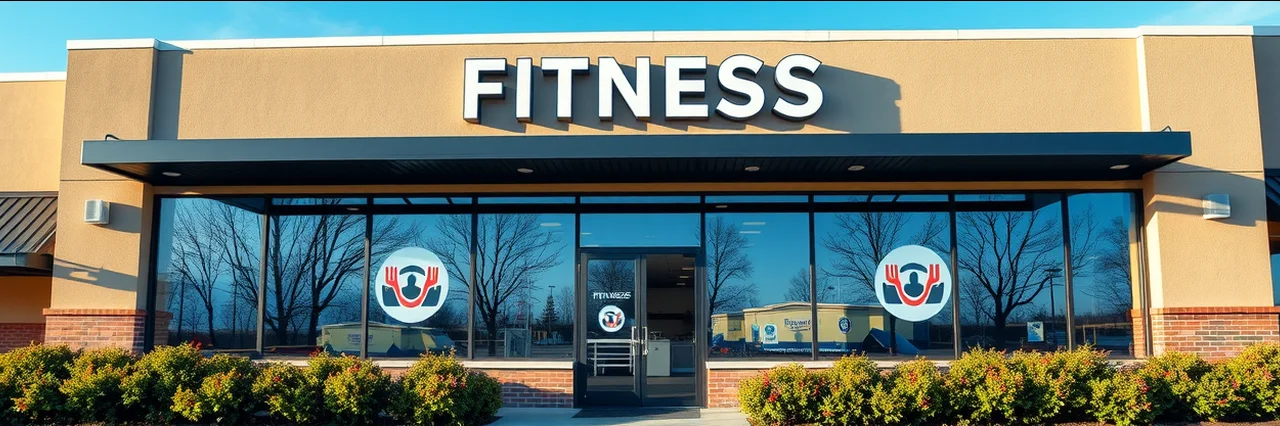
Modern fitness center storefront for accountability coaching with clear windows

ISI Elite Training - Rock Hill, SC

📍 Address: 1738 Celanese Rd STE 103, Rock Hill, SC 29732

📞 Phone: +1 803-329-4786

🌐 Website: https://www.isielitetraining.com/isi-location/rock-hill

★★★★★
Rating: 4.5

A New Era of Accountability Coaching Comes Alive on Rock Hill’s Turf

Early on a Wednesday morning in Rock Hill, the hum of anticipation fills the air as participants filter onto the green turf, chatting about the week ahead, the workout on the whiteboard, and high-fiving familiar faces. Coaches, clipboards in hand and motivation in their voices, gather groups for structured warm-ups—each athlete’s name called, each check-in purposeful. This is more than just a group sweat session; it’s a carefully orchestrated community where support, goal-setting, and accountability intertwine at every level. The drive is palpable—members aren’t simply chasing fitness for aesthetics, but for the mental clarity, resilience, and camaraderie that come with showing up, day after day, together.

As fitness culture evolves, accountability coaching is emerging as a powerful force for both physical transformation and psychological well-being. Across Rock Hill and beyond, individuals are seeking more than just access to equipment or a set schedule—they want expert guidance, real-time feedback, and the kind of persistent encouragement that fends off isolation and defeat. In this new era, accountability coaching is shifting the definition of success: it’s now about collective progress, measurable improvement, and sustainable lifestyle change anchored in genuine human connection. Understanding this trend’s impact, and the way it’s reshaping the wellness landscape, is essential for everyone invested in their personal or community health journey.
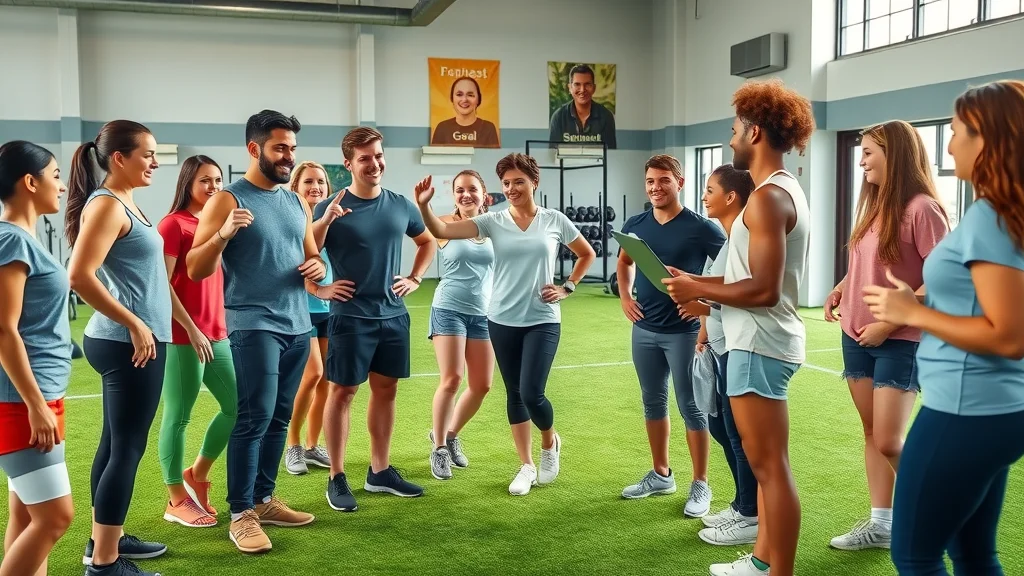
Accountability coaching session at ISI Elite Training Rock Hill, group on turf

Unlocking the Power of Accountability: Why This Coaching Trend is Reshaping Rock Hill’s Fitness Scene

At its core, accountability coaching combines personalized goal tracking, consistent check-ins, and structured support systems to enhance an individual’s commitment to their fitness or athletic journey. Within a community like Rock Hill—where modern life can easily disrupt healthy routines—accountability coaching offers the counterbalance of guidance, encouragement, and shared commitment. Fitness professionals agree: sustaining meaningful change often hinges less on willpower and more on accountability mechanisms that hold individuals to their best intentions. This is particularly significant as traditional exercise approaches, often solitary or sporadic, have left many people struggling to maintain long-term progress.

Beyond the obvious physical benefits—improved strength, cardiovascular endurance, and mobility—accountability coaching introduces a valuable psychological shift. By embedding participants within a system of feedback, goal-setting, and peer support, this model drives motivation even when energy wanes or life intervenes. Coaches serve as advocates, mentors, and strategists, providing tailored feedback and celebrating milestones large and small. In a time when distractions abound and stress levels run high, these layers of personal connection and oversight are more than a luxury—they’re the catalyst for health transformations that stick. As the demand for sustainable lifestyle change climbs, the benefits of accountability coaching are becoming increasingly central to Rock Hill’s evolving fitness culture.
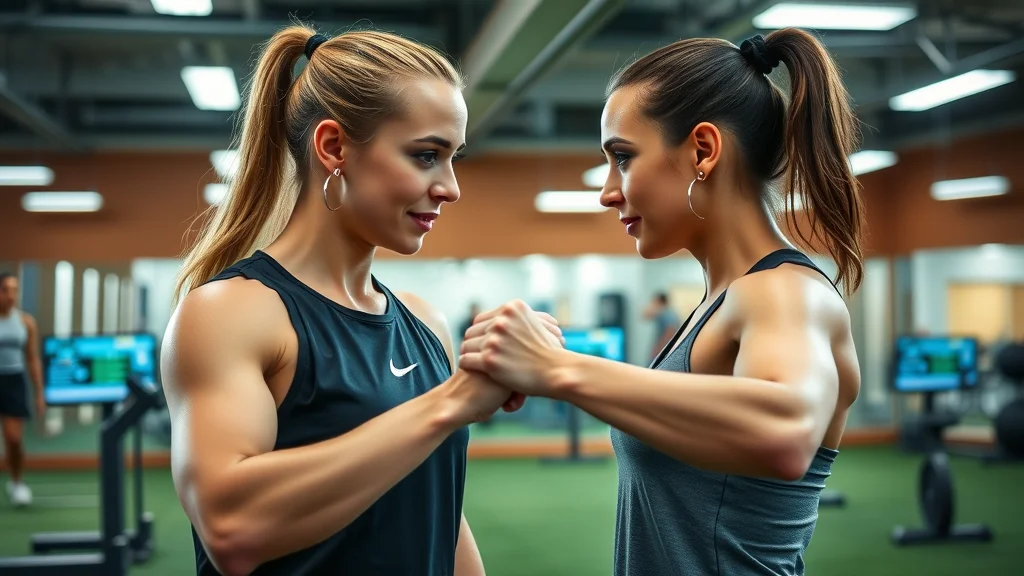
Female accountability coach motivates client during fitness session on gym turf

How Accountability Coaching at ISI Elite Training Empowers Results and Fuels Lasting Change

As one of Rock Hill’s leading examples of the accountability coaching movement, ISI Elite Training has channeled this philosophy into every element of its member experience. From the moment participants step onto the turf, they encounter not just structured workouts, but a systematic approach to support, follow-through, and measurable progress. Members gain access to unlimited sessions, body fat analysis with InBody® scans, and high-energy guidance from certified coaches who blend expertise with relentless encouragement. This environment is designed to be more motivated than “your excuses”—a nod to the belief that personalized accountability unlocks potential where self-doubt might otherwise linger.

The gym’s session schedule, use of an integrated mobile app, and “month to month” flexibility reflect a deep understanding of modern members’ lives and needs. At every step, accountability coaches help members refine their goals, tackle plateaus, and celebrate victories—offering both challenge and compassion in equal measure. The results speak for themselves: participants, from seasoned athletes to first-timers, describe breakthroughs not only on the fitness front, but also in areas like confidence, perseverance, and enjoyment. In a competitive fitness landscape, it’s the tailored accountability and peer-supported structure that stand out as defining factors in sustaining motivation for the long haul.
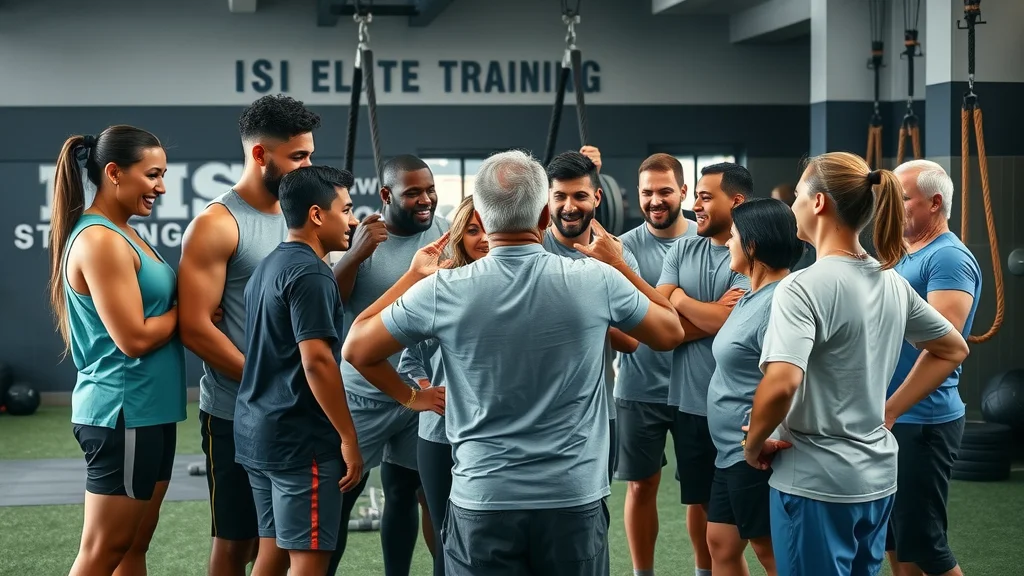
Diverse members celebrate teamwork in a supportive accountability coaching gym huddle

Building Fitness Culture for Families, Youth, and Every Stage of Life

In Rock Hill, trends in health and wellness increasingly reflect a desire for activities that transcend age, background, and expertise—a trend that accountability coaching amplifies. At ISI Elite Training, inclusivity takes center stage, highlighted by offerings like the IronKids room dedicated to children. Parents can pursue their own performance and wellness goals knowing their kids are engaged in a safe, community-centered environment. This approach is echoed across the city, where fitness has become woven into family routines and multi-generational gatherings.

Youth athletic development also benefits from the accountability coaching model, with students learning the value of teamwork, perseverance, and self-discipline. For adults, the sense of shared progress and community support alleviates fears of intimidation, making sustained engagement possible. From group “Iron45” challenges to celebrating individual milestones, the culture is as much about encouragement and respect as it is about transformation. For Rock Hill residents, accountability-driven fitness is more than a workout: it’s a lifestyle that strengthens both bodies and bonds, shaping healthier futures with every session.

A Science-Backed Approach: Why Accountability Fosters Both Physical Progress and Mental Resilience

Scientific research into behavior change echoes what Rock Hill’s thriving gyms are demonstrating: individuals are far more likely to achieve and sustain health goals when supported by systems of accountability. Studies show that regular check-ins and community-based goal setting Sharpen compliance, while positive reinforcement and real-time feedback boost self-efficacy. With stress and distraction so prevalent, having a coach to troubleshoot obstacles—and a cohort of peers to share victories—keeps motivation high and setbacks in context.
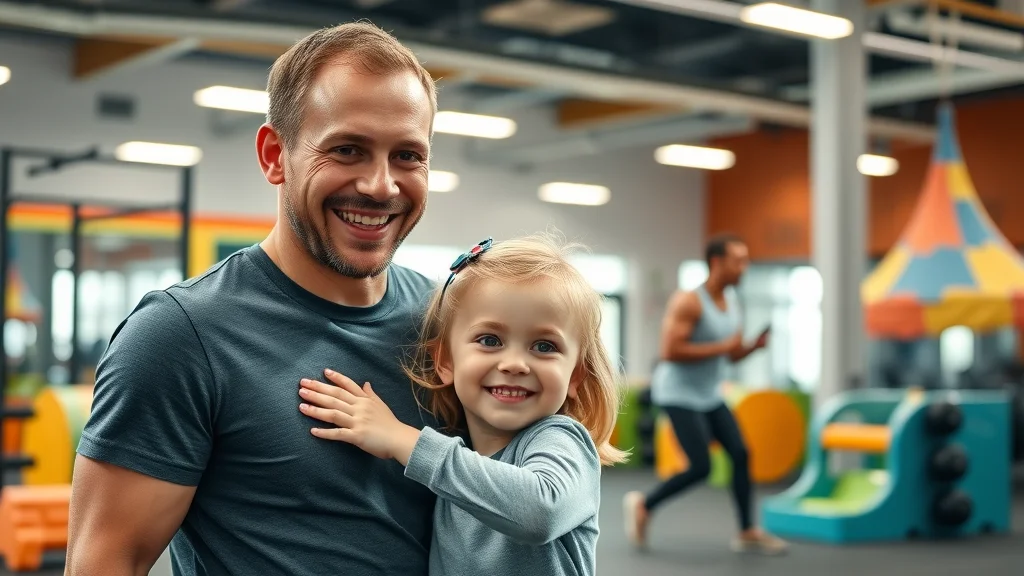
Parent and child enjoy ISI Elite Training IronKids area with accountability coaching

Coaches at facilities like ISI Elite Training model an evidence-driven philosophy, blending proven training protocols with ongoing support. Participants tracking progress with InBody® scans, adapting workouts as their capabilities grow, and passing through motivational ruts with a nudge from a coach isn’t coincidence—it’s the product of intentional accountability structure. The result, both clinically and anecdotally, is greater adherence, improved wellness metrics, and the cultivation of psychological grit that extends well beyond the gym’s walls. This science-driven approach redefines what’s possible when community and coaching join forces.

Community, Challenges, and Celebrations: Inside Rock Hill’s Culture of Persistent Progress

As group exercise has taken hold in the region, Rock Hill’s accountability-focused gyms have become cultural touchstones—a place where individuals are known by name, milestones are celebrated collectively, and setbacks are treated as part of the process, not reasons to quit. Structured programs like the #IRON45 Challenge offer both a framework and a rallying point: unlimited access for 45 days, themed workouts, and peer-fueled momentum for anyone looking to “change their game. ” These initiatives nurture camaraderie while holding each participant to individualized standards, fostering an environment in which support and challenge coexist.

Whether attending a packed 5:00 AM class or a midday session filled with laughter and friendly competition, the sense of togetherness is evident. Sessions end with cool-downs led by coaches, but the atmosphere lingers as members linger to reflect, swap tips, or even dance when the mood strikes. In every way, the accountability coaching movement has catalyzed a shift toward holistic, communal, and resilient approaches to health in Rock Hill—and the impact is lasting.

Accountability Coaching: The Philosophy Driving Rock Hill’s New Fitness Standard

The coaching philosophy at ISI Elite Training revolves around the “YOU vs. YOU” mindset. This belief—that progress is measured not against others but against personal potential—shows up in every interaction on the turf. Coaches focus on creating an environment that’s more motivated than excuses, harnessing the science of consistency and the psychology of support to meet each member where they are. Whether guiding a newcomer through their first workout or pushing a seasoned member to their next personal best, the approach remains consistent: personalize, motivate, and hold accountable.

A key differentiator is the emphasis on both physical and mental resilience. The facility understands that the journey extends beyond the gym, offering digital accountability via the ISI® app, progress tracking, and community events. These mechanisms transform workouts into experiences and acquaintances into lasting friendships. With every session, milestone celebration, and supportive moment, ISI Elite Training illustrates why accountability coaching is more than a passing fitness trend—it’s a new, community-building standard.

Real Community, Real Results: Success Shared Through Member Stories

The most compelling reflection of the power of accountability coaching is found in the everyday stories of Rock Hill residents whose lives have been reshaped by group encouragement and expert support. Brooke B. , a local member, shares her experience, offering insight into why this trend resonates so deeply within the community:

ISI Rock Hill has changed my life for the better. I have developed a love for working out, which I never thought was possible! The coaches are amazing and help push you to meet all of your goals. I have also made amazing friends at this location who I couldn’t imagine life without now! One of the best parts of my day is coming to ISI. The coaches, atmosphere & friends are so amazing and help me stay motivated on my fitness journey. I couldn’t imagine being a part of any other gym.

Brooke’s experience, echoed by countless others, is testament to how accountability coaching cultivates not just transformation but genuine fulfillment. For anyone considering a new approach to health and fitness, these stories illuminate the path—a path where support meets challenge, friendships grow, and every day brings a new opportunity to thrive.

Looking Ahead: The Growing Influence of Accountability Coaching in Rock Hill’s Fitness Future

As more Rock Hill residents discover the impact of accountability coaching, the region is poised to continue leading in community-oriented, sustainable fitness. This approach, anchored in expert mentorship, peer encouragement, and scientifically proven methods, redefines what’s achievable—placing health and connection at the heart of every session. Local facilities like ISI Elite Training illuminate what’s possible when support structures are robust and every individual is empowered to pursue their best self.

For those seeking more than just a place to exercise, but a foundational change in health and well-being, the accountability coaching trend offers a model worth embracing. The story unfolding on Rock Hill’s turf is a story of resilience, optimism, and the enduring power of community—and it continues to inspire, session after session.

Contact the Experts at ISI Elite Training - Rock Hill, SC

If you’d like to learn more about how accountability coaching could benefit your fitness and wellness journey, contact the team at ISI Elite Training - Rock Hill, SC. 📍 Address: 1738 Celanese Rd STE 103, Rock Hill, SC 29732 📞 Phone: +1 803-329-4786 🌐 Website: https://www. isielitetraining. com/isi-location/rock-hill

ISI Elite Training - Rock Hill, SC Location and Hours

🕒 Hours of Operation:📅 Monday: 5:00 AM – 7:00 PM📅 Tuesday: 5:00 AM – 7:00 PM📅 Wednesday: 5:00 AM – 7:00 PM📅 Thursday: 5:00 AM – 7:00 PM📅 Friday: 5:00 AM – 7:00 PM📅 Saturday: 8:00 – 10:00 AM📅 Sunday: 8:00 – 10:00 AM
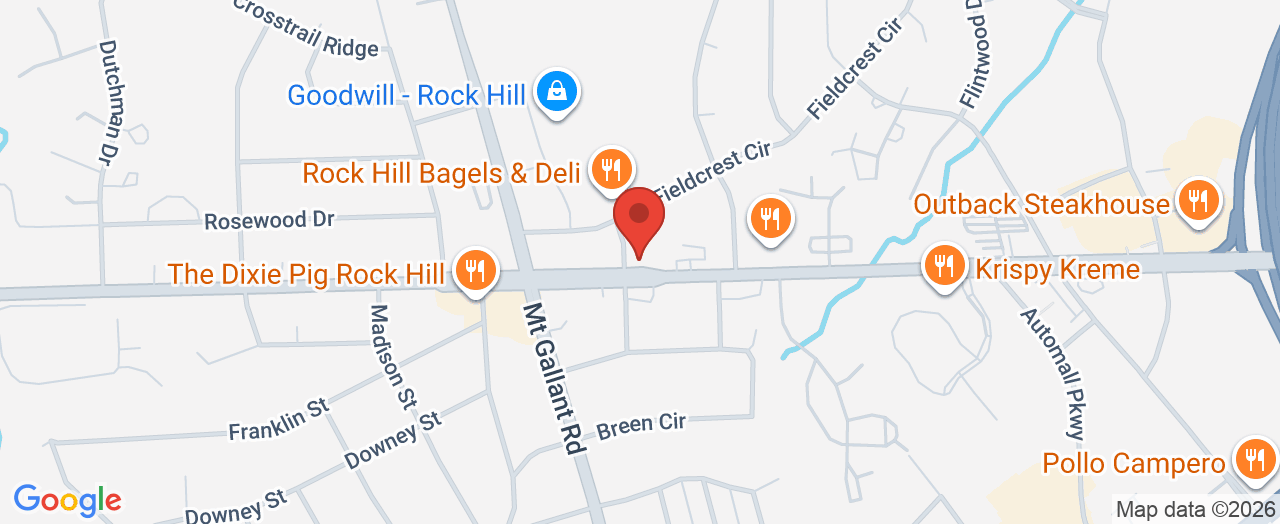
Location Map
Fitness Headlines

0 Comments

Write A Comment

*
*
Please complete the captcha to submit your comment.
Related Posts All Posts
03.16.2026

Why Rock Hill Pilates Is the Go-To Studio for People Ready to See Real Change

Rock Hill Pilates 📍 Address: 150 Oakland Ave #233, Rock Hill, SC 29730 🌐 Website: https://www.rockhillpilates.com/ ★★★★★ Rating: 5.0 Inside Rock Hill’s intimate Pilates studios, a new wave of wellness is quietly taking root as residents of every fitness background seek genuine transformation—not just in how they move, but in how they live. Morning light filters through the windows of a boutique studio in the heart of Rock Hill, where a handful of determined participants move purposefully across the polished floor. The instructor cues a gentle exhale, and bodies lengthen, arms arc, and core muscles ignite almost imperceptibly with each slow, deliberate movement. There is concentration painted on every face, from twenty-somethings stretching for the first time in months to seasoned athletes working alongside neighbors twice their age. In this tranquil-but-challenging environment, it quickly becomes clear: this is a class built not around competition, but around individual challenge and collective encouragement. Here, Pilates is less about spectacle and more about sustainable improvement—real change, one mindful breath at a time. This is not the Pilates of decade-old fitness fads, reserved for models and celebrities. Across the studios of Rock Hill—especially within the four subtly lit walls of Rock Hill Pilates—this method is gaining ground as a staple for those looking to move well, feel stronger, and support long-term wellness. Every session offers a microcosm of a broader trend: more and more locals are swapping the noise of crowded gyms for the intentional, community-driven rigor that Pilates promises. As wellness culture shifts far beyond calorie burn, Pilates for real change is quietly reshaping what it means to truly invest in one’s health—and why that matters to so many in Rock Hill today. Inside Pilates: Why This Time-Tested Method Is Making Modern Waves in Rock Hill In a fitness landscape crowded with options—from HIIT bootcamps to hot yoga and everything in between—Pilates has emerged as a uniquely powerful path to genuine transformation. Originally developed nearly a century ago, Pilates prioritizes precise movements, breath, and core control over flashy equipment or aggressive routines. As national interest in mindful exercise grows, Rock Hill’s communities are embracing Pilates for its remarkable range of benefits: not simply “looking toned,” but promoting strength, flexibility, and resilience in bodies of all ages. Unlike many conventional fitness regimens, Pilates fundamentally re-educates participants about how their bodies move and support them day-to-day. Research shows that consistent practice enhances balance, posture, and proprioception—skills increasingly valued as people seek to prevent injury and maintain independence throughout life. Rather than pushing for speed or exhaustion, Pilates focuses on deliberate, controlled effort; here, efficiency and awareness are as important as exertion. As interest in holistic health accelerates, Pilates stands out in Rock Hill for cultivating both high-level athleticism and gentle, accessible rehabilitation. The tension of “not being enough” in fitness is replaced with the sense that—you are, right here, right now, in these movements—already on your way to lasting progress. Pilates in Practice: How Rock Hill Residents Experience Real Change In the heart of downtown, Rock Hill Pilates offers a snapshot of how this movement translates from theory to real-world results. The studio is recognized for its focus on small classes, hands-on instruction, and a philosophy that “real change” comes from patient, persistent effort—not passing trends. Its environment is intentionally personal: instructors get to know every student, and programming is shaped to challenge and support a spectrum of bodies, fitness levels, ages, and goals. Classes are scheduled every day of the week, allowing busy residents to weave Pilates practice into a routine that suits them—and, critically, to make meaningful gains over time. The heart of what makes Pilates for real change so effective in Rock Hill lies in its accessibility and adaptability. Here, strength-building is not about out-pacing a timer or lifting heavier loads, but about transforming how participants carry themselves through life. For individuals recovering from injury, living with chronic conditions, or simply looking for a time-efficient way to stay fit, Pilates provides an often-overlooked path forward. The deliberate technique cultivates deep muscle activation and joint stability—key for maintaining mobility and function, regardless of age or athletic background. And with expert-guided classes and instructor support, participants are equipped to move smarter, not just harder. Building Strength and Resilience for All Ages: Pilates as a Lifelong, Community-Based Practice As Rock Hill’s local fitness scene evolves, Pilates stands out for welcoming a strikingly diverse clientele. The method’s adaptable framework benefits high school athletes rehabilitating sports injuries just as much as older adults seeking to support bone health and balance. Youth athletes are increasingly supplementing traditional conditioning with Pilates to hone body awareness, improve flexibility, and prevent overuse injury. Meanwhile, adults and seniors join classes for the postural correction, functional strength, and the simple pleasure of pain-free movement throughout daily routines, gardening, and travel. Families, too, benefit from Pilates’ multi-generational appeal. Rock Hill Pilates, for example, has created a space where parents, their teens, and newcomers can pursue stronger, more flexible bodies side by side—each encouraged to progress at their own rate. Group settings foster a strong sense of accountability and community, blending personal progress with the collective momentum of those sharing the journey. As the local appetite for inclusive, sustainable exercise options grows, Pilates classes have become a touchstone for active living across the life span. The Science Behind the Method: Why Pilates Works Beyond the Mat Pilates’ transformation magic is rooted in sports science and the study of movement mechanics. The exercises emphasize muscle control, stability, and alignment, activating the “powerhouse” muscles that support the back and core. Research repeatedly links Pilates with heightened flexibility, low back health, and improved outcomes for joint mobility—essential for both injury prevention and recovery. It’s not just about physical training; the mindful coordination of breath and motion can alleviate stress, sharpen focus, and boost mental health—benefits backed by emerging wellness research. As a complement to aerobic exercise and strength training, Pilates fills a crucial gap by drilling into the nuances of balanced, functional fitness. It teaches participants to “listen in” to their own bodies, fostering autonomy and confidence in movement. This attention to detail is especially valuable for those returning to exercise after injury or seeking to transition safely between different physical pursuits. In Rock Hill, studios like Rock Hill Pilates are not just a service but a springboard for a healthier lifestyle, guided by professionals who believe real change comes from education, empowerment, and sustained effort. Small Classes, Big Impact: The Value of Expert Guidance and Personalized Attention Unlike impersonal fitness chains, the community-centric approach at Rock Hill Pilates offers a distinct advantage for those pursuing transformation. The philosophy is grounded in small class sizes and expert guidance, giving instructors the opportunity to address individual needs and adapt instruction on the spot. Such personalization is a crucial ingredient for participants living with unique conditions or recovering from injury—like those seeking to regain strength after knee surgery or combat chronic stiffness. The benefit of hands-on coaching extends beyond mere correction; it creates a safe, encouraging space where participants feel comfortable trying new movements and asking for help. Instructors bring their own unique styles, keeping classes fresh and engaging, and always steering each person toward new, achievable challenges. This fusion of real human connection and knowledge empowers participants to establish lasting habits that support their overall well-being—proving that in fitness, as in life, the smallest adjustment can yield the most meaningful results. One Participant’s Story: Transformation Through Community and Expert Support The impact of a supportive Pilates community comes alive in the experiences of its most dedicated members. Take, for example, a local participant who credits her progress not only to the classes but to the personalized approach and authentic care from every instructor. Her reflection highlights the deep connection between community, expertise, and meaningful change: I'm relatively new to Pilates, and I absolutely love it. I'm a 60 year old woman who does 3 days of week of strength training, and these classes are the perfect compliment to continue my fitness goals for an additional 2 days each week. I also have had bilateral knee replacements, and Rock Hill Pilates is helping me improve my range of motion. The schedule is so easy to set, and I love that the studio is open every day of the week. The instructors are amazing. Each has their own unique way of making the workouts interesting and challenging. I can't recommend Rock Hill Pilates enough. You will not regret trying this privately owned, non franchised studio. Her words underscore the central truth of Pilates for real change: it’s not about how strenuous the activity looks from the outside, but how participants feel, move, and grow from within. Stories like these reflect the broader potential for anyone in Rock Hill to find approachable, expert-led support—and open the door to better movement, independence, and confidence in their everyday lives. Charting the Future: Pilates as a Roadmap for Community Wellness in Rock Hill As the city of Rock Hill continues to champion health, wellness, and active living, Pilates is poised to remain a cornerstone of this movement. Studios focused on Pilates for real change are redefining what it means to nurture both body and mind across generations and backgrounds. Their community-driven spirit and emphasis on expert instruction create spaces where every resident can pursue lasting transformation—regardless of starting point or skill level. Looking ahead, the local appetite for sustainable, thoughtful wellness is only expected to grow. With the guidance of Rock Hill Pilates and other like-minded community leaders, more families, athletes, and everyday residents will have access to methods that prioritize lifelong strength, agility, and resilience. In a fitness world sometimes obsessed with extremes, Pilates in Rock Hill stands out as proof that real change—step by steady step—is possible for anyone committed to their well-being. Contact the Experts at Rock Hill Pilates If you’d like to learn more about how Pilates for real change could benefit your health and movement journey, contact the team at Rock Hill Pilates. 📍 Address: 150 Oakland Ave #233, Rock Hill, SC 29730 🌐 Website: https://www. rockhillpilates. com/ Location and Hours for Rock Hill Pilates 🕒 Hours of Operation: Please refer to the Rock Hill Pilates website for the most current schedule and class availability.

03.16.2026

How to Do the Hanging Knee Raise: Muscles Worked, Benefits, and Mistakes

Imagine reaching up, gripping a bar, and feeling your core ignite as you lift your knees higher with each rep. The journey from trembling arms to a powerful, controlled knee tuck is more than just a fitness challenge—it’s a personal transformation. For beginners hoping to unlock solid core strength, or seasoned gym-goers seeking a new level of total body control, the hanging knee raise offers both a test and a reward. In this comprehensive guide, you’ll discover not only how to do the hanging knee raise, but also why it’s a foundational movement, exactly which muscles it works, mistakes to avoid, and how to keep improving—whether you’re starting out or refining your technique for the long haul. Unlocking Strength and Skill: Why the Hanging Knee Raise Matters The hanging knee raise can transform your core strength by challenging your abdominal muscles in a dynamic, functional way that simple sit-ups or crunches can’t match. Achieving clean reps builds not just strength, but also confidence in your body’s ability to progress and adapt. Each controlled movement reinforces your focus and perseverance. This exercise enhances total fitness—from improved posture and balance to better performance in everyday tasks and athletic pursuits. Whether you’re lifting groceries or sprinting on a field, the stability gained pays dividends at every stage. What You'll Learn About the Hanging Knee Raise Proper hanging knee raise technique Muscles worked and benefits Avoiding common hanging knee raise mistakes Progressions, regressions, and alternatives What Is the Hanging Knee Raise (Knee Tuck)? The hanging knee raise—sometimes called a hanging knee tuck—is a bodyweight exercise performed by hanging from a bar and drawing the knees up toward the chest. It’s a go-to move for building core strength and stability. Variants include traditional knee tucks (performed while sitting or lying), hanging knee tucks (knees toward chest from a hanging position), and hanging leg raises (lifting straight legs for more intensity). Each targets the core in slightly different ways and choosing between them depends on your ability and goals. All you need is a sturdy pullup bar or stable overhead bar with supportive grips. For most people, the hanging knee raise is less demanding than the straight-leg raise but still challenging enough to deliver results. If you’re working on mastering knee tucks and want to progress, consider advancing to leg raises over time. Start with knee tucks for better form and foundational strength before moving to more complex variations. Muscles Worked During the Hanging Knee Raise Your primary core muscles—in particular the rectus abdominis (“six-pack”), obliques (sides), and hip flexors (front of hips)—work hardest to lift and tuck your knees. Supporting muscles play a crucial role: Your grip, forearms, shoulders, and lats stay engaged as you stabilize your entire body, making the hanging knee raise a true total body exercise for the upper body and core. Compared to the hanging leg raise, which shifts more effort to the lower abdominals and demands greater flexibility and control, the knee tuck offers a manageable starting point for building foundational strength before advancing. Comparison: Muscles Worked in Core Hanging Movements Exercise Primary Muscles Supporting Muscles Difficulty Level Hanging Knee Raise(Knee Tuck) Rectus abdominis, obliques, hip flexors Grip, forearms, shoulders, lats Beginner – Intermediate Hanging Leg Raise Lower rectus abdominis, hip flexors Grip, shoulders, lats, lower back Intermediate – Advanced Hanging Knee Tucks Rectus abdominis, hip flexors Grip, shoulders Beginner Hanging Knee Raise Benefits: Why Do This Exercise? Improved core strength: The hanging knee raise directly targets your ab muscles, teaching your body how to stabilize, control, and drive upward motion without assistance from the ground. Better performance in sports and daily life: Building a resilient core supports everything from running and jumping to simply sitting with better posture, translating to more efficient movement and reduced risk of injury. Enhanced mobility and flexibility: Moving your knees and hips through a controlled range promotes active flexibility, benefiting athletes and anyone seeking a healthier lower back and hips. Scalability: From total beginners to advanced athletes, the exercise can be adapted by adjusting tempo, adding weight, or modifying the motion for steady progress. Injury prevention: Solid core muscles and grip strength are crucial in fending off strains, particularly in the lower back, during both workouts and everyday activities. "The hanging knee raise is a fundamental movement for core strength," says certified fitness coach. Step-by-Step: How to Do the Hanging Knee Raise Correctly Starting position: Grab a pullup bar with your hands shoulder width apart, palms facing away or toward you as preferred. Allow your body to hang with arms extended, shoulders pulled gently downward and slightly back, engaging your lats. Execution: Keeping your core tight, exhale and slowly lift your knees toward your chest using a controlled knee tuck motion. Your lower back should stay neutral—avoid swinging or arching. Controlled lowering: Pause briefly at the top, then inhale and slowly lower your legs, returning to the starting hang with control. Fight the urge to “drop” your legs; the descent is as important as the lift. Breathing and tempo: Exhale as you lift, inhale as you lower. Aim for smooth, unhurried reps—quality beats quantity every time. Demonstration: Refer to clear photos or video for detailed form tips, such as proper hand position, leg alignment, and a stable, steady core. A certified instructor guides you through the hanging knee raise technique, focusing on setup, knee tuck motion, grip, and full range. Key cues include keeping shoulders engaged, initiating with the core, and avoiding any swinging for best results. Key Coaching Cues for the Hanging Knee Raise Avoid swinging: Movement should come from the core, not momentum. Start and end each rep with your body motionless. Engage lats and shoulders: Pull your shoulder blades down and back to keep your upper body stable throughout. Full range of motion: Tuck your knees as high as your mobility allows while maintaining control—don’t stop halfway. Keep legs together: This activates the abdominal wall and hip flexors evenly, ensuring a more balanced and effective rep. Common Hanging Knee Raise Mistakes and How to Fix Them Using momentum and swinging: If your legs or body are swinging, you’re losing the core focus. Solution: reset between reps, slow down, and perform a “dead hang” before initiating each lift. Incomplete range of motion: Not bringing your knees high enough reduces effectiveness. Solution: aim to bring your thighs at least parallel to the ground or higher if flexibility allows. Not engaging the core or shoulders: Allowing your shoulders to shrug or abdomen to relax shifts the load. Solution: maintain tension in the core and pull shoulders down throughout. Letting grip fatigue limit performance: If your hands give up before your abs, strengthen your grip with additional forearm work or try supportive grips. 'Rushing the movement and using momentum makes the hanging knee raise far less effective,' warns coach Raj Ganpath. Hanging Knee Raise vs Hanging Leg Raise: What's the Difference? Technical breakdown: In the knee tuck, knees are bent and raised toward the chest. In the leg raise, legs stay straight throughout the movement, raising up as a solid unit. Pros and cons: Knee tucks are easier on the lower back and more accessible for beginners. Leg raises require more strength and flexibility but target the lower abs more intensely. When to switch: Once you can perform multiple sets of controlled knee tucks with ease, try adding the leg raise for increased core challenge and total body strength. Best Variations and Progressions for Hanging Knee Tucks Modified hanging knee raise: Perform partial range or keep a slight bend in elbows for added support. Progression to leg raise: Over time, straighten your knees as you lift for a more advanced challenge—eventually performing hanging leg raises. Weighted or slow-eccentric knee tucks: Add ankle weights or slow down the lowering phase to increase difficulty and time under tension. Hanging knee tucks every day: For those looking for daily practice, use manageable volume and focus on perfect form. Who Should Do the Hanging Knee Raise? Ideal for athletes, regular gym-goers, beginners setting foundational strength, as well as advanced trainees seeking new challenges. Adequate mobility and shoulder stability is important. If you can comfortably hang from a bar, you likely have the prerequisites to begin. Especially beneficial for runners, martial artists, and anyone who wants to improve hip flexor and core strength for dynamic activities. How to Add Hanging Knee Raises to Your Training Routine Try adding hanging knee tucks at the end of upper body or ab training days for the best focus and engagement. For beginners, 2–3 sets of 8–10 reps with 60 seconds rest is a good starting point. Intermediate and advanced athletes can aim for 3–4 sets of 12–15 reps, adding weight or slower tempo for extra intensity. Knee tucks every day are not required—but training 2–3 times per week allows for solid progress without overtraining. Listen to your body for recovery needs. Sample Hanging Knee Raise Training Week Day Beginner Advanced Monday 2 sets x 8 reps 3 sets x 12 reps (add weight) Wednesday 2 sets x 10 reps 4 sets x 15 reps (slow tempo) Friday 2 sets x 8 reps 3 sets x 12 reps (progress towards leg raise) Modifications and Alternatives if Hanging Knee Raise Is Too Hard Use a captain’s chair or parallel bars to support your arms rather than hanging with full bodyweight. Focus on the same knee tuck motion while stabilizing your upper body with your elbows or forearms. Floor-based knee tucks and lying leg raises allow you to train the core through a similar range without grip fatigue or the coordination challenge of hanging. Try scaled progressions: partial reps, lower starting height, or perform negative (eccentric) only reps for safe, manageable gains. What to Do If You Can't Hang for a Knee Tuck Work on grip strength separately—try dead hangs, farmer’s walks, or resistance bands for support on the bar. Assisted alternatives such as using resistance bands looped over the bar can take some weight off and help you build up to an unsupported hang. Gradually lengthen your hangs over days or weeks, starting with short intervals and adding time as your endurance improves. FAQs About the Hanging Knee Raise Q: Do hanging knee raises burn belly fat? A: Hanging knee raises build ab muscle but spot-reducing fat isn’t possible. For visible abs or less belly fat, overall body fat must be reduced through diet and regular exercise. Q: What are common mistakes with knee raises? A: Swinging, not engaging your core, and shortening the movement are the main errors. For more, see the section on mistakes and how to fix them above. Q: Is hanging leg raises better than hanging knee raises? A: Hanging leg raises are more advanced, working the lower abs harder. However, knee raises are more accessible and effective for building a strong foundation. Q: What can I replace hanging knee raises with? A: Supported knee raises, lying knee tucks, and floor-based leg raises are effective alternatives for different needs and ability levels. Key Takeaways: Master the Hanging Knee Raise The hanging knee raise is a must-have for building core strength and resilience Success comes from practicing control and perfect form—not rushing through reps Progress at your own pace, adding variations and difficulty as strength, confidence, and skill improve Your Next Step: Start Practicing the Hanging Knee Raise The journey to a stronger core starts with your first controlled rep. Apply these tips, listen to your body, and revisit this guide as you progress in skill and confidence. Consistency is your most powerful tool—get on the bar and begin your transformation today. Sources Verywell Fit – How to Do the Hanging Knee Raise ACE Fitness – Hanging Knee Raise Exercise Library BarBend – Hanging Knee Raise Guide Bodybuilding.com – Hanging Knee Raise To deepen your understanding of the hanging knee raise, consider exploring the following resources: “Hanging Knee Raises: Benefits, Muscles Worked, and How-To”: This comprehensive guide from Healthline details the proper technique, benefits, and common mistakes associated with hanging knee raises. (healthline. com) “How To Perform the Hanging Knee Raise: Muscles Trained, Benefits, Mistakes & Fixes”: Muscle & Fitness offers an in-depth look at the muscles engaged during the exercise, its advantages, and tips to avoid common errors. (muscleandfitness. com) These articles provide valuable insights to enhance your technique and maximize the effectiveness of your core workouts.

03.16.2026

Parents Are Raving About The Little Gym of Rock Hill’s Gymnastics Skill Development Program

The Little Gym of Rock Hill 📍 Address: 2685 Celanese Rd Suite 118, Rock Hill, SC 29732 📞 Phone: +1 803-868-0033 🌐 Website: https://www.thelittlegym.com/south-carolina-rock-hill/ ★★★★★ Rating: 5.0 In Rock Hill’s thriving health and wellness scene, gymnastics skill development is taking center stage—one leap, laugh, and friendship at a time. Inside a brightly lit gym on Celanese Road, the steady patter of bare feet scurrying across padded mats fills the air. On one side, a group of toddlers, hands tight in their caregivers’ palms, wobble excitedly along a balance beam. Coaches guide preschoolers between gentle tumbles and encouraging high-fives, while older children practice controlled handstands under watchful, smiling eyes. Periodically, laughter erupts as kids leap into soft foam pits or master new feats they once found intimidating. The sense of anticipation, focus, and accomplishment is palpable—and it’s happening every day as families flock to experience the physical and social growth that gymnastics skill development brings to Rock Hill. Gymnastics has long been celebrated for its blend of artistry and athleticism. Yet, in recent years, there’s been a visible shift: parents are seeking more than simple play or single-sport instruction for their children. They want activities weaving movement, coordination, confidence, and resilience together—preparing kids not only for sports but for life. As trends in youth fitness and community wellness evolve, organizations across Rock Hill are rising to the challenge. Nowhere is this more evident than in programs specifically structured to support children’s gymnastics skill development, where kids are both learning to move and moving to learn. Why Gymnastics Skill Development is Reshaping Rock Hill’s Fitness Landscape Gymnastics skill development represents a holistic approach to youth fitness—one that nurtures physical, cognitive, and emotional growth, beginning as early as infancy and continuing through grade school years. Unlike activities that emphasize competition alone, gymnastics provides young people a foundation: body awareness, flexibility, balance, and strength interwoven with creativity and fun. The process is built around progressive instruction, meeting kids at their individual stage of development, and tailoring movement challenges to their needs. This is more than leaping or turning cartwheels; it’s about incrementally building habits of healthy risk-taking, perseverance, and self-esteem—attributes that stay with children well beyond the gym floor. The conversation around youth fitness in Rock Hill and beyond increasingly centers on lifelong wellness, not just achievement in a single sport. Experts highlight that skill-based gymnastics classes foster not only agility and coordination but also listening, problem-solving, and teamwork. For children who may not gravitate toward traditional team sports, gymnastics can offer a vital sense of belonging and accomplishment. Without early access to such skill-focused programs, young people may miss out on core physical literacy—the building blocks of an active and resilient future. Parents, educators, and community leaders alike are recognizing the importance of these developmental opportunities, and Rock Hill’s residents are turning to reputable providers to help children get a head start on health—one skill at a time. The Community Benefits: How Gymnastics Skill Development Unlocks Confidence and Lifelong Wellness As one strong example within Rock Hill, The Little Gym offers a dynamic spectrum of gymnastics skill development classes—supporting babies as young as four months all the way to children reaching adolescence. The impact goes far beyond athleticism. Regular attendance in these programs shows benefits for physical coordination and strength, while also cultivating early listening skills, independence, and social adaptability. Children who engage with structured gymnastics activities are learning to process multi-step instructions, link skills into sequences, and build friendships through shared challenges and celebrations. For families seeking more than a fitness outlet—for those invested in their child’s growth in confidence and character—such programs offer real, lasting impact. Rock Hill’s broader health and wellness movement increasingly leans on these sorts of formative experiences. Gymnastics skill classes are formatted to encourage personal progress for every participant—regardless of their starting point. Whether a child is shy and hesitant or outgoing and energetic, the individualized coaching and supportive environment help shape not just young athletes, but capable, tuned-in members of their community. The focus on “movement with meaning”—an often-stated philosophy at The Little Gym—aligns with what many parents hope to instill, from resilience and joy to a sense of belonging in healthy activity. From Crawling to Cartwheels: How Programs Grow with Every Child One of the hallmarks of modern gymnastics instruction in Rock Hill is a commitment to progression. For infants and toddlers, parent-child classes gently foster strength, coordination, and curiosity in a setting where caregivers are present for every milestone. As children advance, preschool and grade school classes evolve to include skills like rolling, balancing, and eventually, more complex gymnastics movements. With each stage, kids are given challenges appropriate for their age and ability, paired with encouragement that transforms fear into excitement. The Little Gym structures its curriculum to meet children where they are—a philosophy echoed by many current fitness leaders. Programs start with exploration and sensory play, then steadily progress to goal-setting, independence, and mastery of more advanced skills. By age six or seven, participants are developing strength and agility while refining gymnastic techniques under expert guidance. These experiences are designed not just for future athletes, but for young people to feel ownership of their progress in whatever path they choose—sports, dance, or simply an active lifestyle. “Serious Fun”: The Social and Emotional Side of Rock Hill’s Gymnastics Evolution Skill-based gymnastics programming does more than build strong bodies—it anchors a child’s self-perception and social growth. This is especially meaningful for young people who may not have access to structured group interaction outside of daycare or organized sports. Classes at facilities like The Little Gym make room for play and laughter, but they also support children as they learn to share, cooperate, and celebrate each other’s successes. The development of confidence and joy—qualities that families repeatedly cite—becomes as much a part of the curriculum as cartwheels and handstands. In Rock Hill, this focus on positive, enriching movement is increasingly recognized as a community asset. Parents appreciate an environment where children are valued as individuals and instructors show genuine care for each child’s journey. The emphasis is on building a supportive community where both kids and adults participate in healthy routines, forming connections that extend beyond the gym’s walls. The Science of Movement: Why Early Skill Development Matters Recent research in children’s fitness highlights long-term advantages for those who begin gymnastics early. Foundational skills in balance, flexibility, and spatial awareness translate into readiness for a variety of sports and reduce the risk of injury later in life. Programs like those at The Little Gym specifically are designed to build skills layer by layer, using age-appropriate equipment and progressions that respect each child’s stage of physical and cognitive growth. By developing a wide base of motion patterns early, children gain more than physical ability—they gain confidence in taking on new challenges and participating in group activities. Sports science also underscores the benefits of repeated, positive movement experiences for mental wellness. Gymnastics classes—by their very nature—require focus, adaptability, and perseverance. This cross-training effect prepares children for later life demands, such as learning in school or working as part of a team. In Rock Hill, where active living and community involvement are on the rise, prioritizing early skill development through gymnastics is driving a measurable culture shift toward healthier, more engaged families. Movement with Meaning: A Look at The Little Gym of Rock Hill’s Holistic Approach For more than play, gymnastics programs at The Little Gym of Rock Hill embody a philosophy of “Serious Fun”—making movement meaningful at every stage of childhood. Their approach begins with gentle, parent-supported classes for babies and toddlers, celebrating every new skill and incremental progress. Preschoolers are invited to blend high energy and big imagination, jumping, rolling, and balancing their way to improved fitness and self-assuredness. As children grow, grade school programs take a more tailored route, offering progressive gymnastics coaching to match each child’s experience and aptitude. The Little Gym’s teachers emphasize positive relationships and responsive instruction. This is not simply a place to learn skills for competition, but rather to foster a lifelong love of movement, friendship, and confidence. The gym’s structure—frequent member events, flexible attendance, and family-friendly options—reflects a commitment to community engagement and long-term positive impact, not only for kids but also for the network of parents and caregivers supporting them along the way. The Little Gym exemplifies Rock Hill’s broader movement toward healthful, purpose-driven activity for all ages. Building Bonds and Confidence: One Parent’s Story Real-life experiences often capture the power of gym-based skill development better than any scientific study or curriculum breakdown. For many Rock Hill parents, enrolling a child in local gymnastics programs offers so much more than a weekly activity. One reviewer described how their son—previously with little group interaction—found new friends, confidence, and joy through gym classes designed for his age: We have been to about 6 classes now and we are so happy with our experience here at the Little Gym. My son is not in daycare so this class gives him a great opportunity to play with and bond with other babies his age. He is loving the different activities that are set up for him and exploring the gym. The instructors are fantastic. They are always in a good mood and happy to see and play with your child. My son now gets excited to see them when we come in Well worth the money and we plan to keep coming here for a long time. —Jacquelin B. Stories like these affirm that positive experiences in gymnastics skill development shape children’s attitudes toward movement, friendship, and self-belief for years to come. As more Rock Hill families engage with these programs, the broader community stands to gain from confident, resilient, and connected kids—ready for whatever life brings next. Shaping Healthy Futures: The Lasting Impact of Gymnastics Skill Development in Rock Hill As Rock Hill continues to invest in its health and fitness culture, gymnastics skill development is emerging as a central pillar supporting young people’s holistic growth—from first steps to first handstands and beyond. This movement is more than a passing trend; it’s reshaping how families prioritize activity, resilience, and community connection. Facilities like The Little Gym of Rock Hill have become trusted resources guiding children through progressive skill building, embedding wellness and confidence in the heart of the next generation. For parents, educators, and community leaders alike, supporting gymnastics skill development means investing in lifelong health—ensuring that Rock Hill’s children leap forward into the strongest versions of themselves. Contact the Experts at The Little Gym of Rock Hill If you’d like to learn more about how gymnastics skill development could benefit your child or family, contact the team at The Little Gym of Rock Hill. 📍 Address: 2685 Celanese Rd Suite 118, Rock Hill, SC 29732 📞 Phone: +1 803-868-0033 🌐 Website: https://www. thelittlegym. com/south-carolina-rock-hill/ The Little Gym of Rock Hill Location and Availability 🕒 Hours of Operation:📅 Monday: 4:00 pm - 7:30 am📅 Tuesday: 9:00 am - 12:30 am, 5:00 pm - 7:00 pm📅 Wednesday: 10:00 am - 1:30 pm, 4:00 pm - 7:30 pm📅 Thursday: 9:00 am - 11:30 am, 4:00 pm - 7:30 pm📅 Friday: 9:00 am - 11:30 am📅 Saturday: 8:30 am - 1:45 pm📅 Sunday: ❌ Closed

Terms of Service

Privacy Policy

Core Modal Title

Sorry, no results found

You Might Find These Articles Interesting

T
Please Check Your Email
We Will Be Following Up Shortly
*
*
*