

This is a custom HTML / JavaScript Element
In order To See Your Custom HTML/JavaScript Code in Action You Must Click On The Preview Page Button, Your Code is NOT going to be active in the edit mode
|
Local Fitness Leadership Series
Editorial Spotlight / Seattle, Washington
|
By Mark D.R. Ford
Managing Editor
|
Designing Fitness Spaces That Inspire: Combining Aesthetics, Sustainability, and Functionality
|
Glen Swain, owner and founder of Henry's Gymnasium, never meant the gym he built to look like a gym. When he talks about Henry's Gymnasium, the language he reaches for is not reps, rates, or membership tiers. It is art. History. Sustainability. The feeling of walking into a building that has something to say.
That instinct has shaped two locations, one a 1909 blacksmith garage, the other a 1929 building of similar vintage, into boutique fitness clubs that visitors describe as something they have never experienced before. After 35 years in the industry, 25 of them as an owner, Glen arrived at a simple conviction: if the space is inspiring enough, people will want to be there more, use it more, and ultimately see better results.
"If I can create an environment that's truly different, motivating, and inspirational, people will want to be there more. If they're there more, they'll use it more. And if they use it more, they'll see a better result."
Glen, Owner and Founder / Henry's Gymnasium
What Members Notice First
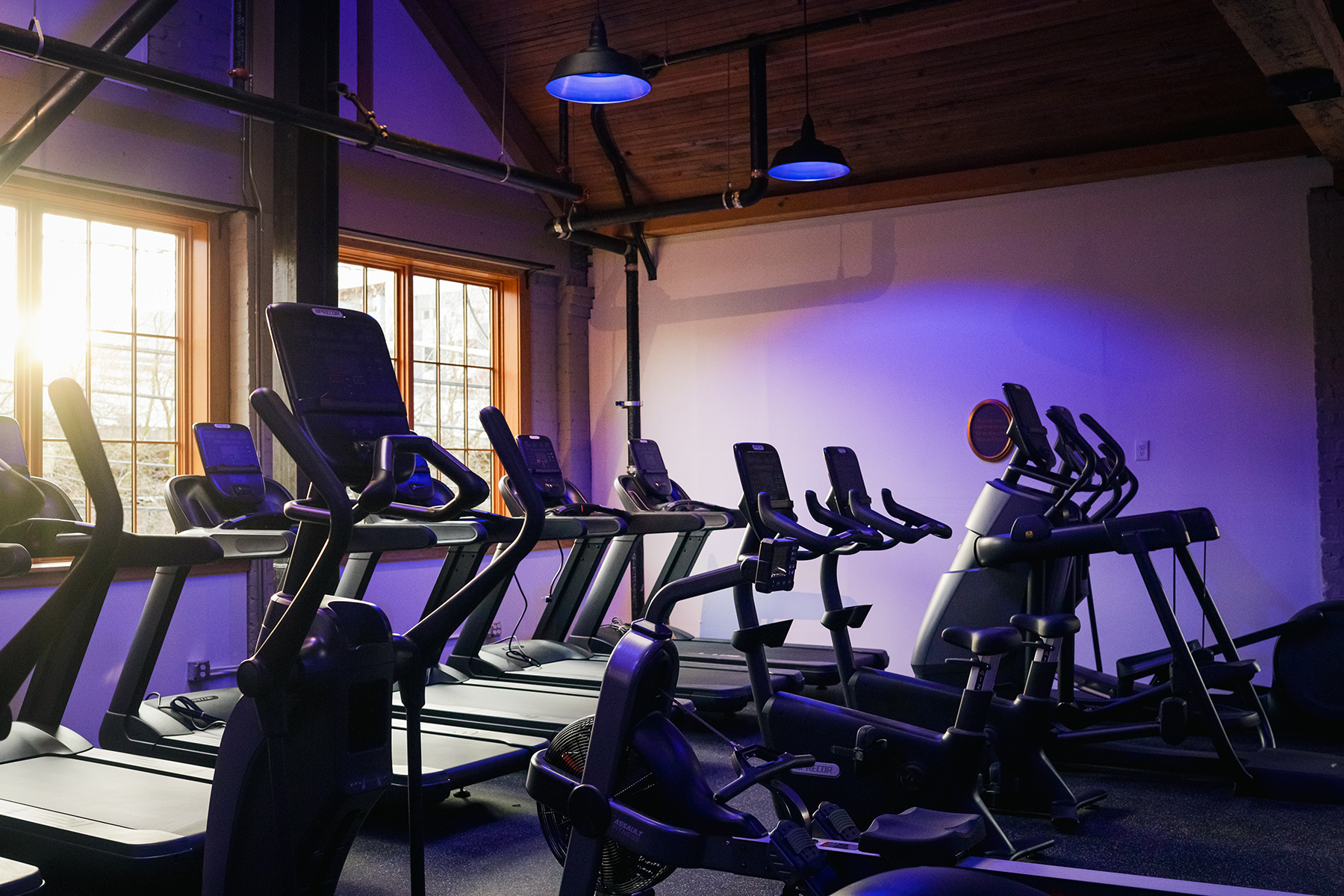
The lighting hits differently here. Exposed timber, curated art, and imported German equipment make a first impression Glen calls overwhelming in the best possible way. Members also notice the cleanliness, and a relaxed thirty-minute tour tends to settle the decision.
|
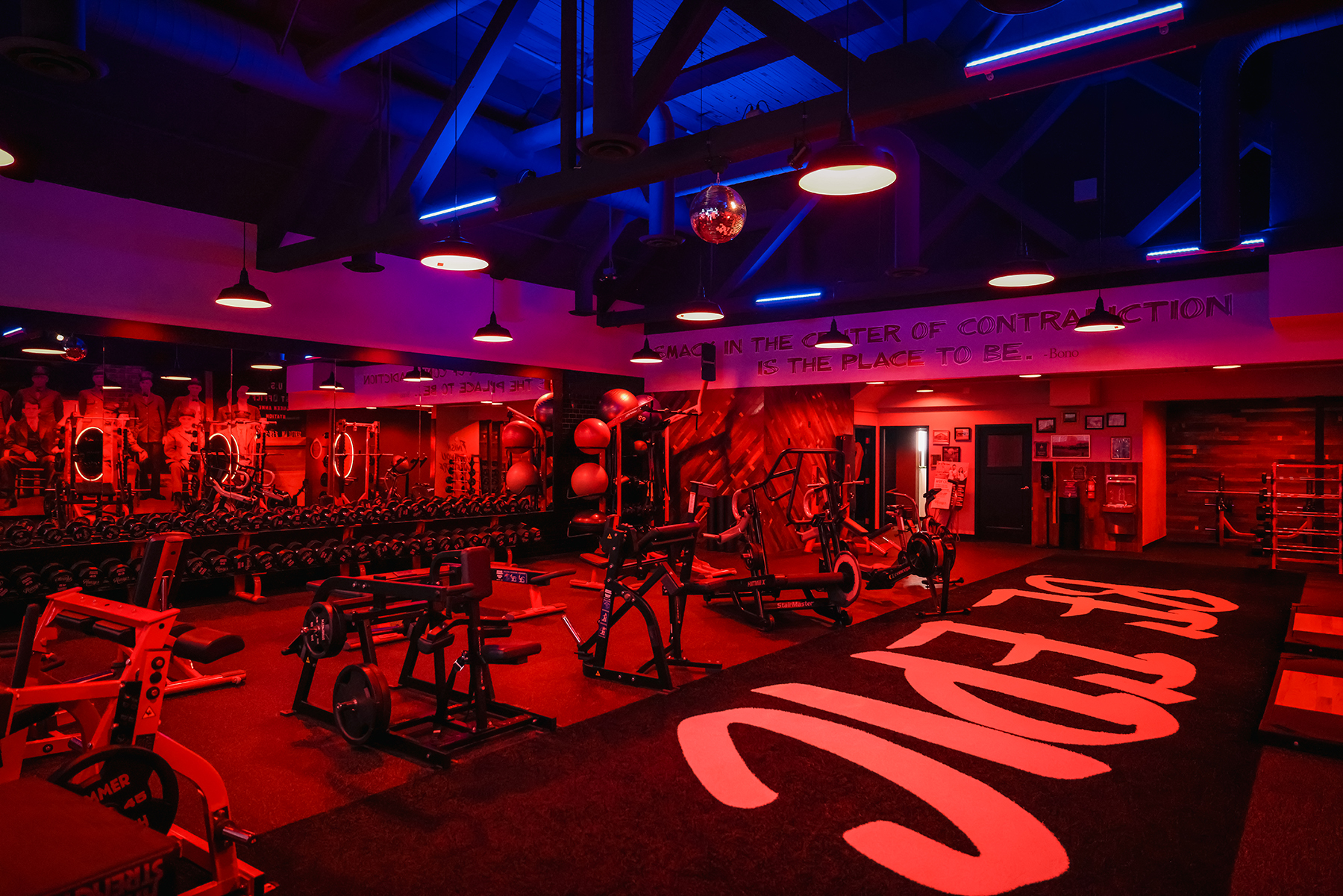
INSIDE HENRY'S GYMNASIUM: Historic beams, dramatic lighting, curated art, and imported equipment create the kind of atmosphere Glen believes helps members stay inspired.
At A Glance
Locations
Two distinctive boutique locations in Seattle
Membership
More than 3,000 members served
Leadership
Founder-led boutique fitness brand
Focus
Personal training, recovery, and longevity as the foundation
Founder Focus
Glen has built the gym around one belief: that design is not decoration, but a tool for motivation and retention. His preference for staying behind the scenes, and letting the member experience speak for itself, has shaped both the culture and the reputation of the gym across the city.
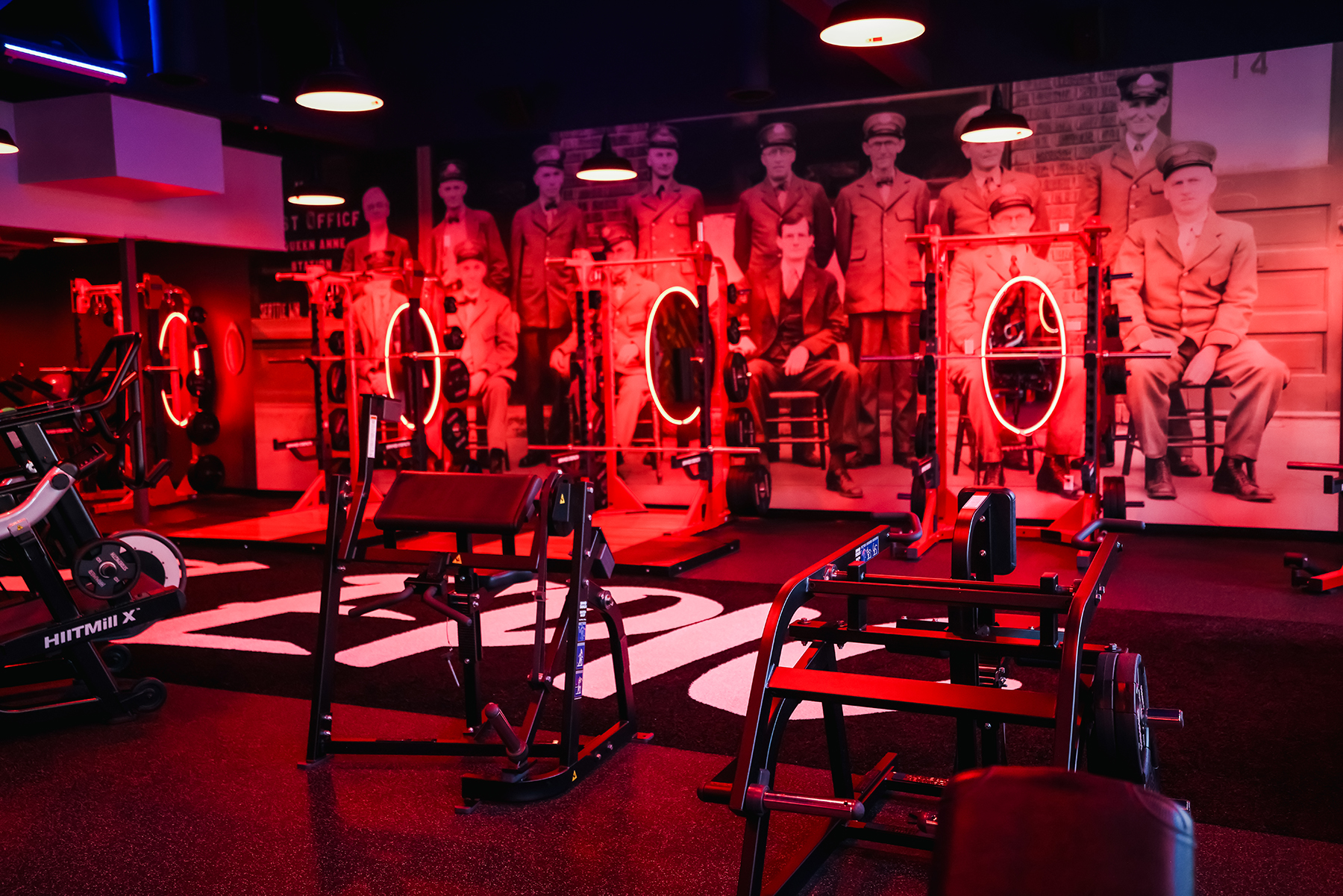
Inside The Facility: Original beams, exposed timber, and reclaimed wood reflect the building-first design philosophy Glen described in his interview.
Henry's Gymnasium Standard
Entry Point
Every visit begins with a relaxed thirty-minute tour and an honest conversation about goals, background, and whether the gym is a fit.
Coaching Standard
One-on-one training with coaches who include chiropractors and physical therapists, structured around at least four active days each week.
Member Experience
Inspired, museum-like surroundings, a citywide reputation for cleanliness, and staff who stay present and engaged throughout the visit.
Signature Detail
Two century-old buildings filled with reclaimed wood, curated art, and imported German equipment found in no other Seattle gym.
|
The Fitness Standard |
Henry's Gymnasium sets itself apart by treating gym design as a driver of member results, combining century-old architecture, museum-quality art, sustainable reclaimed materials, and imported equipment inside spaces built to inspire rather than simply function. |
Henry's Gymnasium matters because it treats the room itself as part of the workout. Glen's wager, after decades in the industry, is that a space worth showing up for is a space members actually use, and that consistency is where lasting change begins.
This profile traces how thirty-five years in fitness, a decade inside large chains, and a lasting preference for historic buildings shaped a gym standard rooted in design, cleanliness, recovery, and a genuine sense of care.
The story of Henry's Gymnasium starts with a question most gym owners never ask: what if the space itself could make people want to work harder? Glen, who has worked in fitness for 35 years and owned gyms for 25 of them, built his answer into two boutique locations that members and visitors consistently describe as something they have never seen before.
Henry's Gymnasium is a boutique fitness club in Seattle, Washington, with two locations set inside century-old historic buildings. It pairs museum-quality art, reclaimed sustainable interiors, imported German equipment, and a full recovery suite with a deeply personal training model built around consistency, data, and member relationships. Glen, the founder, describes it as a mix of fitness club, museum, and nightclub.
Glen did not begin his ownership journey with that vision already formed. He spent the first decade of his career working for large fitness chains, an experience he credits with teaching him everything about what to do and what not to do. When he opened his first location 25 years ago, he had a clear idea of the kind of gym he did not want to run: a concrete box with rubber floors and mirrors, indistinguishable from every other gym on the block.
Glen has spent decades arguing that the environment where people train is not a backdrop but a working part of the result. The sections below show how that belief shapes the equipment, the recovery menu, the coaching, and the way Henry's stands out in a crowded Seattle market.
|
The Design Difference
Two century-old buildings, reclaimed wood, curated art, and imported German equipment members will not find in any other gym across the city. |
The Member Fit
People who want boutique surroundings, one-on-one coaching, a full recovery menu, and a gym that reinvests directly in their progress. |
The Local Distinction
A citywide name for cleanliness, a standing monthly giving commitment, and interiors that draw visitors and influencers from around the world. |
The name Henry's Gymnasium is not a brand invented from scratch. It comes from the original Capitol Hill location, a 1909 garage built to train blacksmiths in the repair of Model T Fords, automobiles made by Henry Ford. When Glen and his team found the building, they were drawn to the history embedded in its walls. The beams were original. The timber told a story. That building became the foundation for everything Henry's Gymnasium would stand for.
The second location, a 1929 building that was also originally a garage, followed the same philosophy. Glen is emphatic about preserving what was already there: exposed timber, original beams, and the physical character of spaces built to last. These are not renovated buildings dressed up to look old. They are old buildings treated with the care and respect their age deserves.
The idea Glen keeps returning to is that nothing in the room is accidental. The art on the walls, the reclaimed wood overhead, the imported machines on the floor, and the staff who greet members by name all exist because someone cared enough to make this the best place a person has ever trained.
Glen describes the interior of both locations as deeply intentional. Seventy percent of all interior decoration is made from sustainable, reclaimed wood. Some of it is more than 120 years old. Some came from churches. Some came from schools. Each piece carries a history, which is, he says, exactly the point. The gym is not only designed to look beautiful. It is designed to feel meaningful.
One location holds over 300 pieces of curated art. The lighting is nightclub-quality. The sound is calibrated for energy. Glen's investment in these spaces runs three to four times higher than what a typical owner would spend, and he considers it one of the best business decisions he has made. The logic is straightforward: when the environment is genuinely inspiring, members are more motivated to show up, and greater consistency tends to support better outcomes over time.
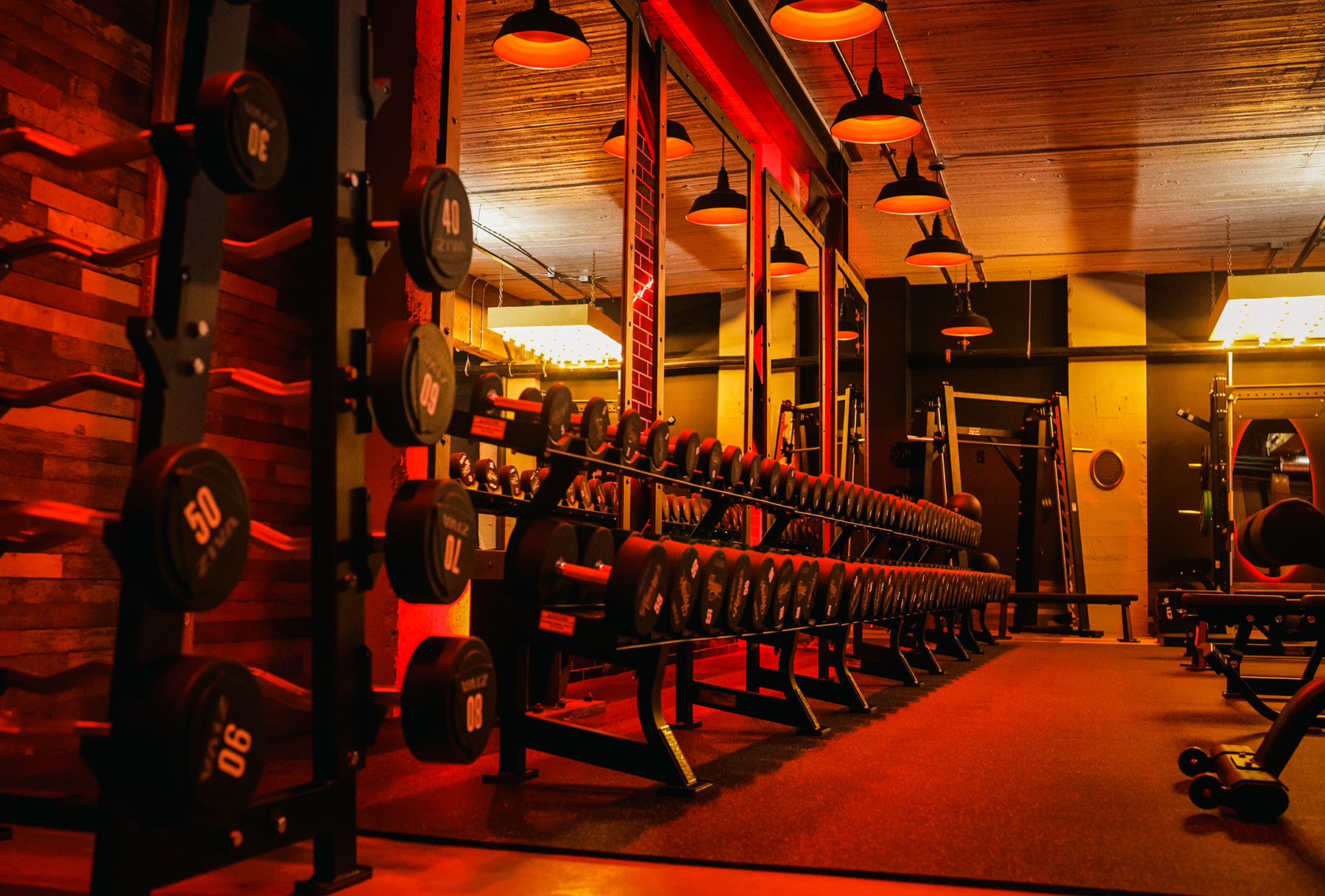
All of the gym's strength and cardio equipment is imported from Germany. These are machines members cannot find in other facilities across the city, which Glen sees as an important part of the gym's identity. The wider shift toward strength-focused training in recent years fits naturally with what Henry's Gymnasium has always prioritized: offering something genuinely different from what members have been used to for decades.
Recovery is equally central to the offering. About 40% of the membership base is engaged in some form of recovery programming at any given time. The menu includes cold therapy, cryomassage, hydromassage, infrared therapy, Finnish sauna, and red light therapy. Several of Glen's trainers are chiropractors or physical therapists, and they bring that recovery-and-longevity perspective into the personal training relationship as well.
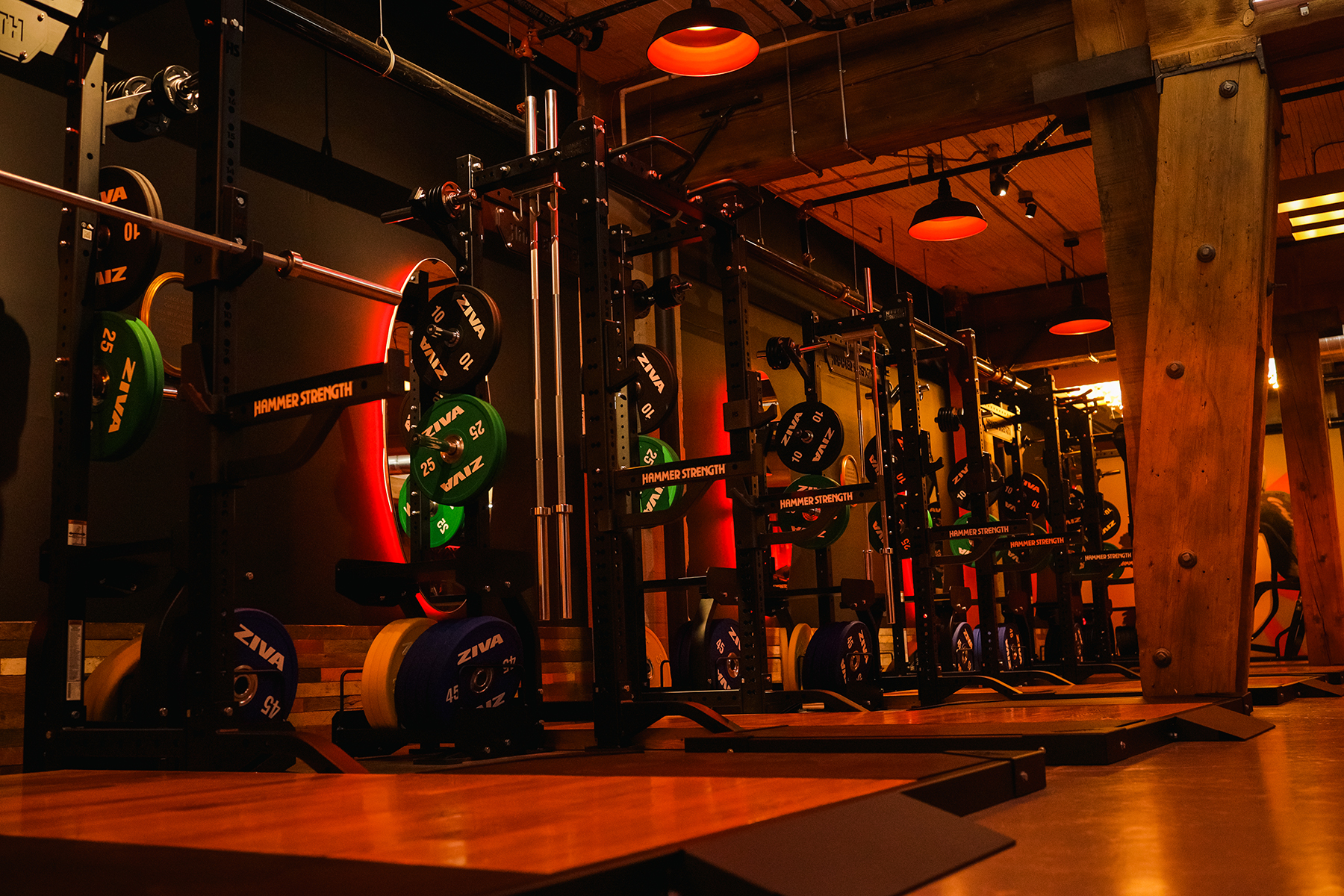
Glen's personal training model rests on two foundations: structure and accountability. Clients train with a coach at least twice a week and complete structured homework sessions on their own at least twice more. That adds up to at least four days of active engagement each week, which Glen describes as the baseline for meaningful physical change.
The data piece reflects the gym's local membership base. Many members work at companies like Google, Amazon, Microsoft, and Facebook, and bring an analytical mindset to their fitness goals. Monthly three-dimensional body scans give clients precise measurements of weight, lean body mass, and circumference, used not as numbers for their own sake but as motivation. When members can see measurable progress, they tend to stay more engaged. Glen says the approach keeps clients focused and reinforces trust in the coaching process, though individual results naturally vary from person to person.
Henry's Gymnasium matters because it proves the space a gym occupies is not a background detail. It is a direct contributor to whether members show up, stay, and build the results they came for.
Drawn from Glen's interview, Henry's Gymnasium is built for members who want a boutique experience that reaches well beyond equipment and floor space, combining personal coaching, recovery services, inspired design, and a close member community across two historic Seattle locations.
Glen is quick to distinguish between gyms that talk about community and those that build it with financial accountability. At the Capitol Hill location, all guest fees are donated monthly to Lambert House, a local organization the gym has chosen to support. That donation structure is not a promotional line. It is a standing commitment that repeats every month regardless of what else is happening in the business.
That giving philosophy connects to how Glen views the gym's role in the community more broadly. He is not trying to serve everyone. He is trying to serve a specific kind of member: someone who wants to be part of something special, who values the quality of the environment, and who appreciates a business that invests in both the people inside its walls and the neighborhood around them.
In a fitness market Glen describes as saturated, standing out requires more than good marketing. It requires a reason for someone to drive past three other gyms to reach yours. Henry's Gymnasium has built that reason into the walls: historic buildings that cannot be replicated, a design investment competitors are unlikely to match, and a citywide reputation for cleanliness that members and visitors mention again and again.
The gym also draws organic visibility through social media. Because the spaces are so visually distinctive, influencers travel from around the world to film there, extending the gym's reach across platforms without paid advertising. For someone searching for a boutique gym, a premium personal training experience, or a recovery-focused fitness community, Henry's Gymnasium has built a local profile that is difficult to miss and harder to forget once experienced in person.
Henry's Gymnasium is a boutique fitness club with two locations housed in century-old buildings. The gym combines museum-quality art, nightclub-inspired lighting, imported German equipment, and extensive recovery services inside spaces Glen, the founder, describes as a mix of fitness club, museum, and nightclub.
The difference is largely a matter of design philosophy. Both locations feature over 70% reclaimed sustainable wood interiors, curated art, imported strength and cardio equipment from Germany, and a member experience built around inspiration, community, and recovery. The spaces are intentionally different from standard gym environments.
Henry's Gymnasium offers one-on-one personal training with coaches that include chiropractors and physical therapists, as well as a full recovery suite that includes cold therapy, cryomassage, hydromassage, infrared therapy, Finnish sauna, and red light therapy. Strength training and longevity-focused wellness are core offerings.
The personal training model is built around consistency and data. Clients train with a coach at least twice a week and complete structured homework for two additional sessions. Monthly three-dimensional body scans provide measurable progress data, helping members stay focused and motivated, with individual results varying from person to person.
The name comes from the original Capitol Hill location, a 1909 building originally used to train blacksmiths to work on Model T Fords, automobiles made by Henry Ford. The name honors the history of the building and the neighborhood it calls home.
- Henry's Gymnasium is a boutique fitness club in Seattle with two century-old historic locations, over 3,000 members, and a design philosophy that treats the space itself as a driver of member motivation.
- Both locations feature imported German equipment, reclaimed sustainable wood interiors, curated art, and nightclub-quality lighting and sound, all preserved inside original early 1900s buildings.
- The gym offers one-on-one personal training, a full recovery suite, and monthly three-dimensional body scans to help members track measurable progress.
- Glen, the founder, has built the business around a commitment to giving back, with monthly donations to community organizations and a belief that caring genuinely about members is the defining standard.
|
The First Step
Come See It In Person. The Photos Never Do It Justice.
Glen's advice for anyone drawn to what Henry's Gymnasium is building is simple: come experience it. A visit begins with a relaxed, roughly thirty-minute tour built around who you are, what you have tried before, and what you are hoping to find.
Visit Henry's Gymnasium
|
PrepareYour goals, training history, comfort level, and what kind of environment would make training feel worth showing up for.
DiscussPersonal training, recovery services, the imported equipment, the historic spaces, and how the gym can fit your routine.
ExpectAn unhurried conversation about fit, and an honest recommendation, even if that points you somewhere else.
Rather than a hard sell, the Henry's approach starts with a genuine conversation. Glen says the team will sometimes point a visitor toward another facility when it is the better fit.
|
Henry's Gymnasium is not a story about a gym that happens to look good. It is a story about an owner who understood, after 35 years in fitness, that the environment where people train is not incidental. It is part of the result. Glen built that understanding into every square foot of two locations, and the members who walk through those doors tend to agree: the pictures do not do it justice.
What Glen would want someone to take away is simple: the gym genuinely cares, not as a marketing statement but as a daily operating standard held by every member of the team. In a fitness market full of options, that combination of inspired spaces, serious programming, and authentic investment in the people who walk through the door is what makes Henry's Gymnasium worth visiting in person.
Glen Swain is the owner and founder of Henry's Gymnasium in Seattle, Washington. With thirty-five years in the fitness industry, he spent the first decade managing large chains before launching his own boutique concept twenty-five years ago. His two locations, both housed in turn-of-the-century buildings, serve over 3,000 members and have become known for their design, community, and recovery-forward approach to training.
Glen's philosophy is that the gym environment itself drives member results. By investing three to four times what a typical owner would spend on space, he believes members are more motivated to show up, more consistent in their training, and more likely to build lasting change. His preference is to stay behind the scenes and let the member experience be the face of the business.
Glen's values center on genuine care for members, exceptional cleanliness, sustainable design, community giving, and a belief that a boutique gym must deliver a better experience than a big-box competitor to survive. His specialties include space design as a retention strategy, personal training built around analytical data, and recovery programming that supports long-term health and longevity.


Write A Comment