

This is a custom HTML / JavaScript Element
In order To See Your Custom HTML/JavaScript Code in Action You Must Click On The Preview Page Button, Your Code is NOT going to be active in the edit mode
|
Local Fitness Leadership Series
Editorial Spotlight / Greenville, South Carolina
|
By Daniel Ford
Managing Editor
|
|
Healing through movement is not a slogan at Musou Movement. In Isaac’s telling, it is the studio’s operating philosophy: a way of training the body, regulating the mind, and helping members understand strength as something that should support life outside the studio.
Inside the Greenville movement studio, MMA, functional training, locomotion flow, somatic movement, system regulation, and body awareness are not treated as separate interests. They are part of one lifestyle practice built around symmetry, consistency, movement quality, and the belief that movement can help people feel stronger, clearer, and more resilient. “A symmetrical body is one that can heal in a more sustainable and really pure way.”
Isaac, Musou Movement
|
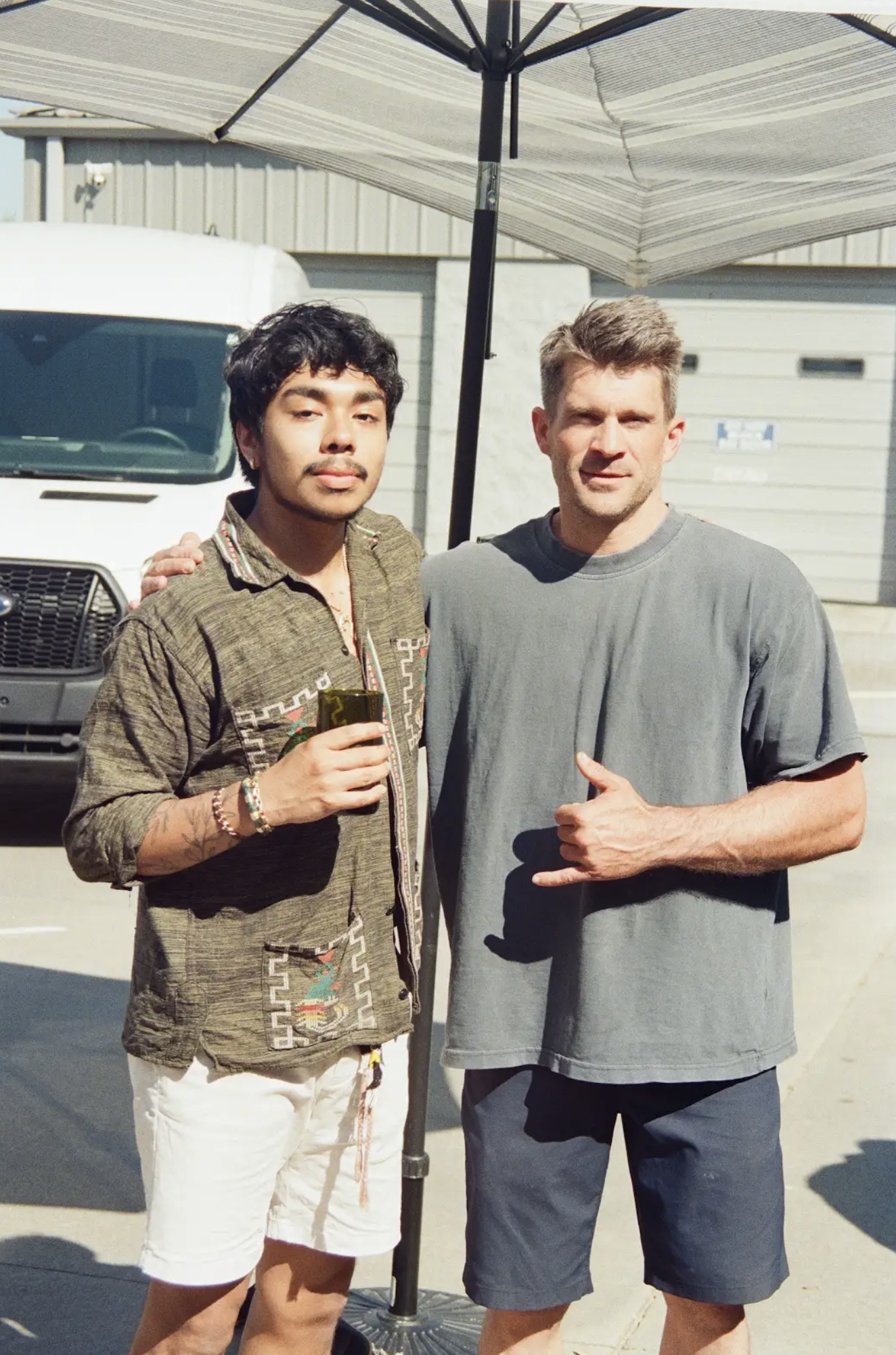
Featured Profile: Isaac with Sean Herman, owner of Musou Movement, outside the Greenville studio. The image reflects the mentorship, hands-on practice, and community-centered culture behind the studio’s movement philosophy.
Musou Movement
Greenville, South Carolina musoumovement.com The Editorial Brief
Training is framed as a complete practice where movement quality, breath, and awareness support life beyond the studio.
Core Focus
Healing through movement
Experience
Discipline, breath, awareness
|
|
The Fitness
Standard |
Discipline, body awareness, and movement quality — the kind of practice Musou Movement has built into a training culture where the details matter as much as the workout.
Editorial Observation
|
Musou Movement is difficult to explain with ordinary gym language. Isaac speaks about the studio in terms of purpose, symmetry, breath, resilience, movement quality, and the life force that members bring into morning classes. The work may include Muay Thai, capoeira, broader MMA training, functional training, mobility, locomotion flow, somatic movement, or breath-based system regulation, but the deeper aim is simpler: help members move better, understand the body, and carry that awareness into daily life.
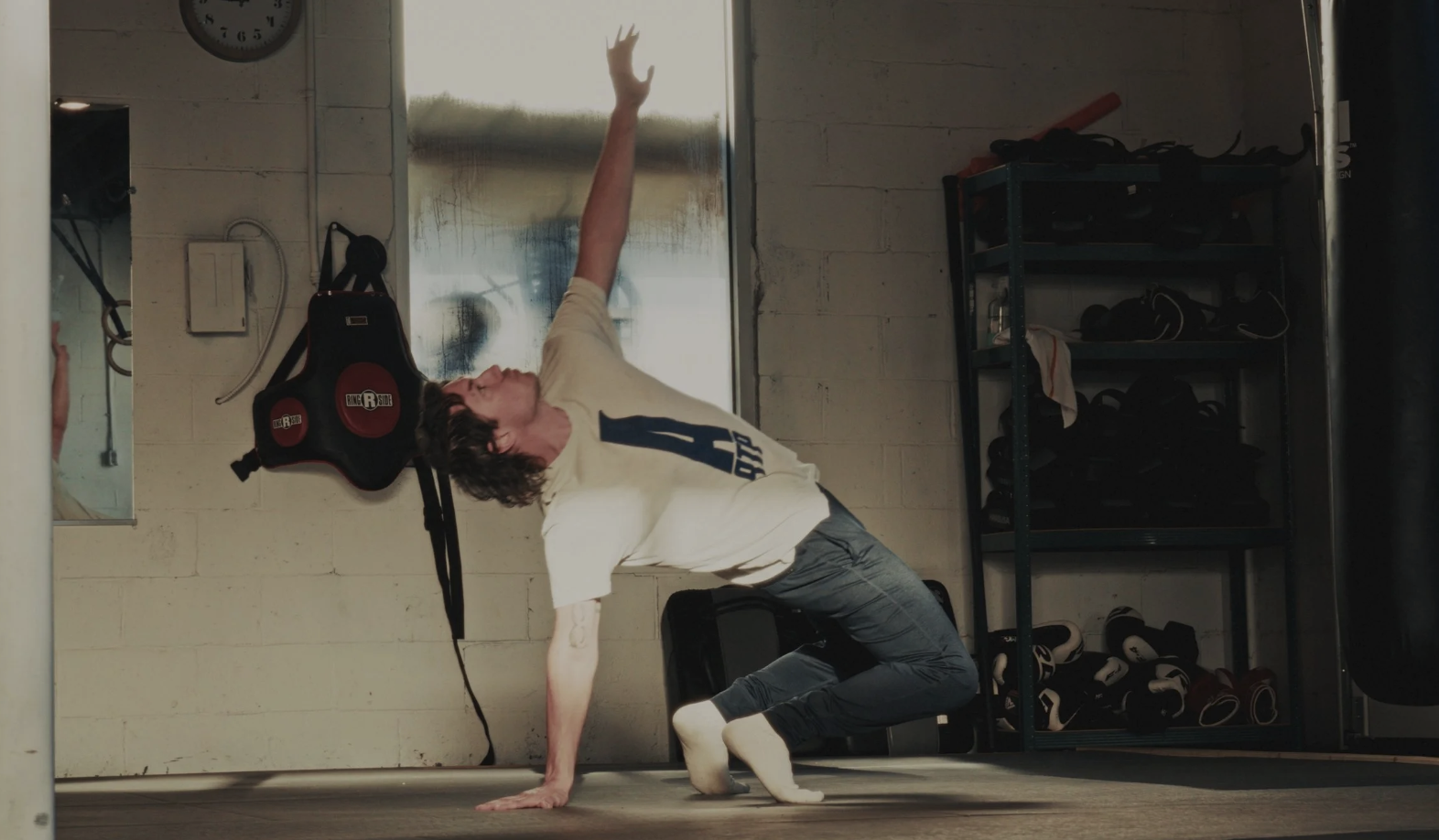
The studio’s philosophy came into focus over time. Isaac described how the early repertoire included martial arts and strength-focused functional training, while fluidity and locomotion flow were still being introduced. Over time, the most visible theme became healing through movement, especially through the idea of a symmetrical body: training both sides, building balance, and helping the body work as a more complete system.
|
Why It’s Different
Musou blends movement styles into one whole-body lifestyle practice rather than separating strength, skill, and recovery.
|
Who It Serves
Doers, movers, entrepreneurs, and members who want a disciplined alternative to a standard gym routine can find a strong fit here.
|
Why It Stands Out
The studio offers a rare mix of dojo-like training, system regulation, community, and personal growth.
|
Isaac’s background in dance gave him a wider view of what movement can mean. He described wanting more than physical output alone. Expression mattered. Control mattered. The ability to move with quality mattered. When Musou Movement entered his life, the studio gave that search a structure.
That phrase, expression matters, helps explain the felt sense of the studio. The training is not only about completing a repetition or finishing a class. It is about the quality of how a person moves, the awareness behind each choice, and the body-and-mind coordination that turns movement into a personal practice.
That structure starts with the mind-body connection. Isaac described mindfulness and body awareness as the foundation of the modalities taught inside the studio. Members are not simply asked to work harder. Members are asked to notice how the body moves, how breath changes effort, and how small movement details support larger goals.
The studio’s training style is broad, but it is not random. Functional training, MMA, mobility, system regulation, mindset training, somatic movement, and locomotion all connect to the same purpose: helping members build a body that moves with balance and a mind that can meet challenge with steadier focus.
Isaac said the members who often gain the most are consistent members and private training clients who work closely with Sean or Isaac. In that setting, coaching can move past surface goals. The work becomes more personal. Training is adjusted to the individual, and the member begins to see how physical practice connects with daily choices, rest, fatigue, courage, and resistance to change.
One of the most revealing details from Isaac’s interview is what happens after class. Members sit in a circle, regulate the nervous system with a breathing technique, settle into the body, and often reflect on gratitude. For Isaac, those moments explain why the work matters. Breathwork is not presented as an extra wellness trend. It is part of system regulation and mindset training, a natural extension of how the studio helps people meet life with more courage and resilience.
That culture has also shaped the way members talk about the studio. Isaac said members appreciate the accountability that continues outside the building, the emphasis on small movements that lead to bigger skills, the return to fundamentals, and the importance of breath. Members are not simply pushed through workouts. Members are invited into a practice.
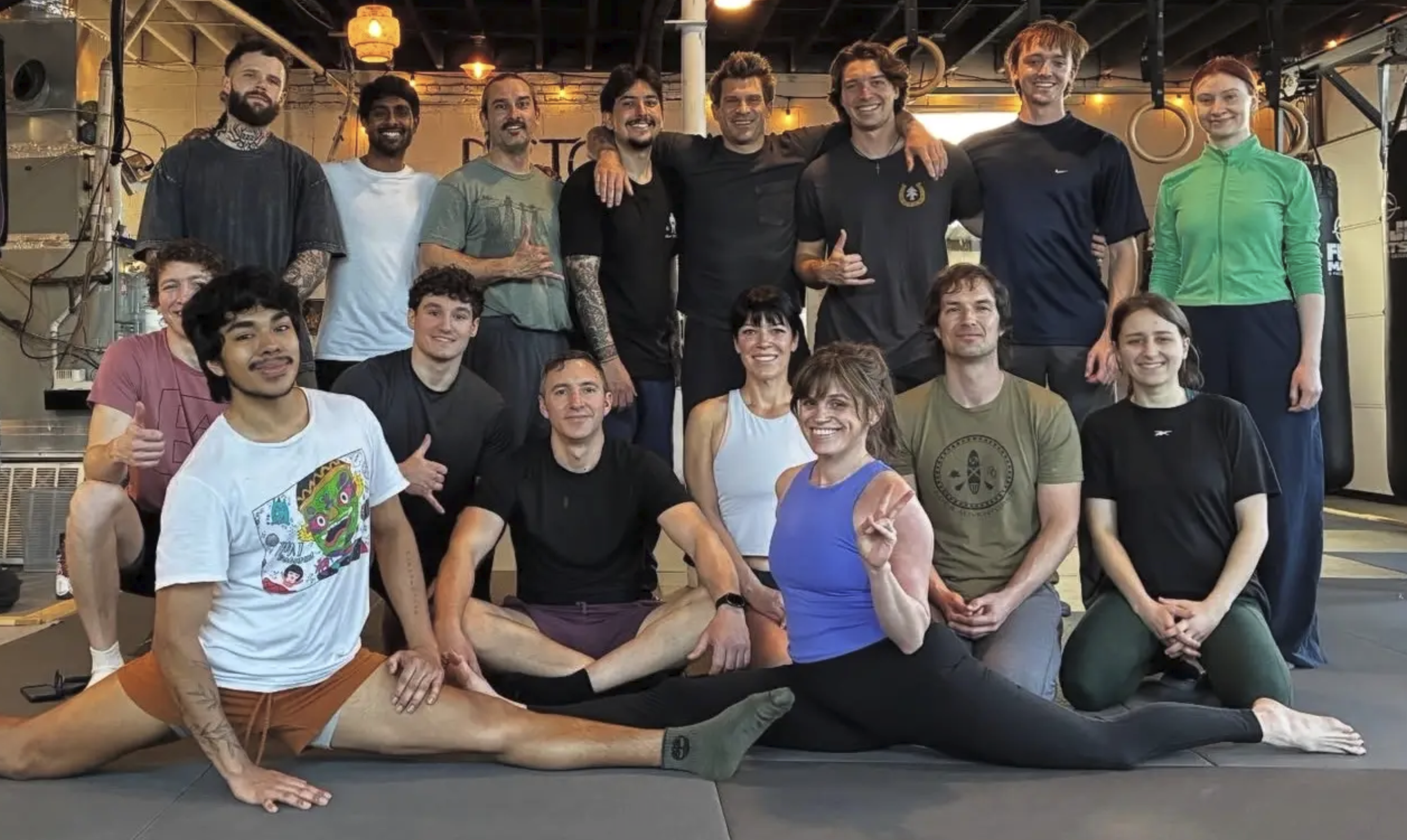
The physical studio adds to the feeling. Isaac described the front of the building as the calmer side of the experience, with Sawdust, the coffee shop, creating a sense of comfort and stillness. Through one door, the space changes into what he called a literal dojo: open mats, minimal equipment, bars, rings, ropes, a sauna, showers, a cold plunge, a back patio, and natural light.
For local searchers looking for a unique training experience in the area, Musou Movement stands out because the studio does not seem built around trends. It is built around a particular point of view. The aim is not to copy a wellness studio, a standard gym, or a martial arts school. The aim is to preserve a training culture with integrity.
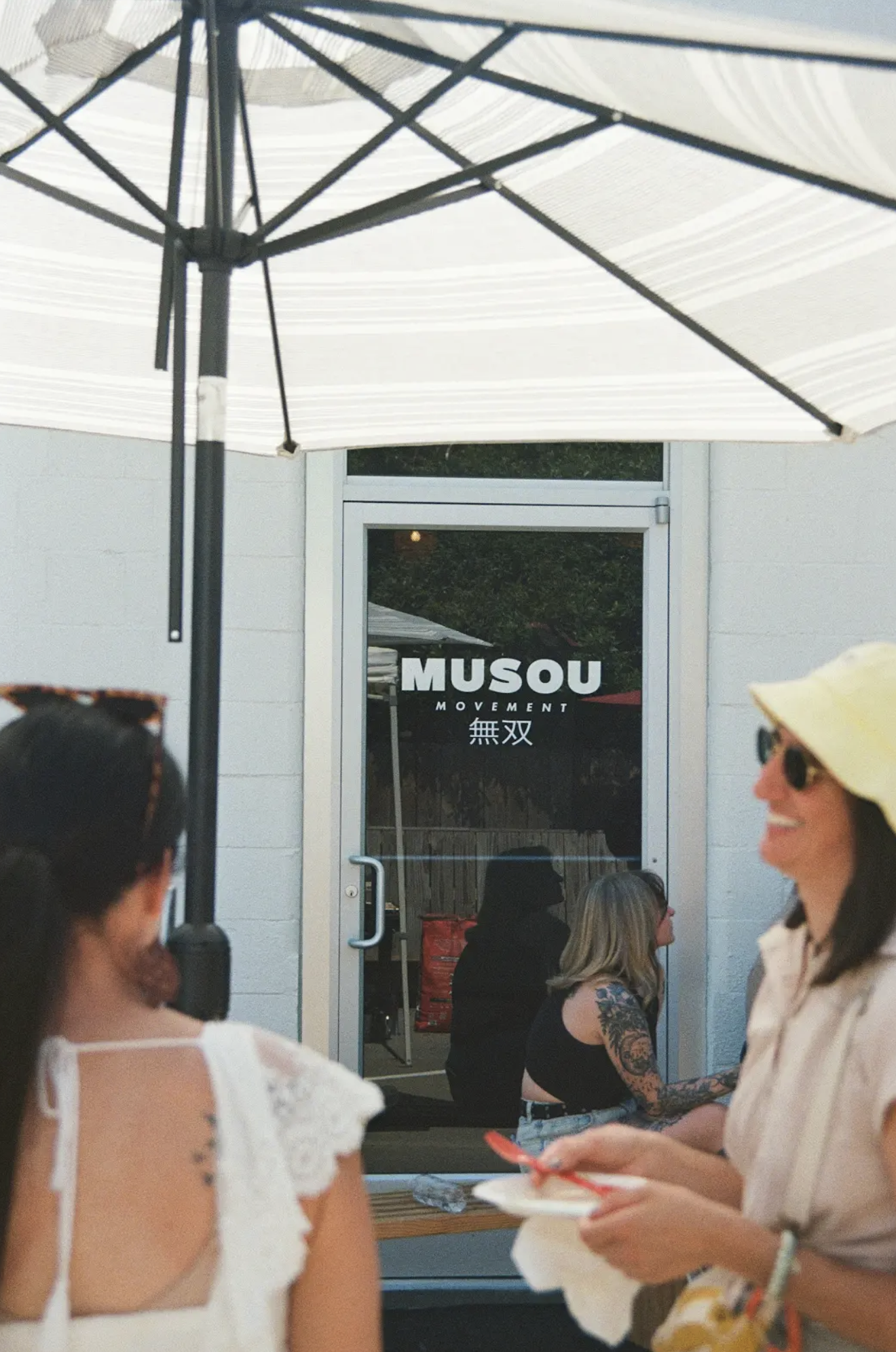
Isaac spoke about members who arrived with chronic pain, previous injuries, or a sense that the body had become limited. He also recalled “Big Mike,” a member who trained twice a day for months, explored contemporary dance, MMA, and functional training, and challenged the studio’s idea of what a fit person looks like. That story stayed with the community because it showed what can happen when a person keeps trying.
The lesson is not that every member will follow the same path. The lesson is that movement can reopen possibility. For Musou Movement, strength is not only external. Internal strength matters too. Breath, patience, symmetry, fundamentals, movement quality, and courage all become part of the training.
Musou Movement is known for a movement-based approach that blends MMA, functional training, locomotion flow, somatic movement, system regulation, mindset training, and body awareness. The studio’s philosophy centers on healing through movement, with an emphasis on symmetry, control, movement quality, and long-term personal growth.
Musou Movement approaches healing through movement by teaching members to understand the body as a connected system. Training includes bilateral movement, functional strength, mobility, breath control, system regulation, and mindset training so members can build strength, awareness, and resilience.
Musou Movement is a strong fit for doers, movers, entrepreneurs, and members who want more than a standard gym routine. The studio serves people who are curious about skill-based training, body awareness, MMA, functional movement, system regulation, and a disciplined practice that carries into daily life.
The Musou Movement experience includes functional training, MMA movement practice, locomotion flow, mobility work, somatic movement, system regulation, mindset training, and full-body movement education. The studio also offers private training and a developing kids program connected to the broader movement culture.
Yes. System regulation and mindset training are part of the Musou Movement culture, with breathwork techniques serving as one expression of that work. Isaac described post-class breathing, reflection, gratitude, and regular breath workshops as practices that help members settle into the body and connect training with daily life.
- Musou Movement’s philosophy centers on healing through movement, body awareness, movement quality, and long-term personal growth.
- The Greenville studio blends MMA, functional training, mobility, locomotion flow, somatic movement, system regulation, and mindset training.
- Members experience a culture of accountability, fundamentals, breath control, regular breath workshops, and shared practice.
- A supplied review describes Musou as a beautifully designed space with a full gym, meditation space, sauna, cold plunge, showers, refreshments, somatic movement, mindfulness, and mind-body coordination.
- The studio stands out locally because it feels like a disciplined movement school and lifestyle practice, not a standard gym routine.
Musou Movement’s strongest idea is also its clearest: the body can be trained in a way that supports more than fitness. In Isaac’s view, the studio helps members move with purpose, build internal and external strength, return to fundamentals, and understand breath as part of system regulation and mindset training. For members seeking a more thoughtful fitness studio experience, Musou Movement offers a path where discipline and healing are not separate ideas. They are part of the same practice.
Isaac is a movement practitioner and steward of the Musou Movement space in Greenville. With a background in dance and a deep connection to the studio’s daily culture, he speaks about movement as a way to understand the body, build resilience, and support personal growth. Sean Herman is the owner of Musou Movement, and Isaac described Sean as a mentor and guiding force behind the studio’s teachings.
The Musou Movement philosophy centers on healing through movement, symmetry, breath, movement quality, and integrity. Training is presented as a way to develop both internal and external strength, with the physical work carrying into everyday life through discipline, awareness, expression, and purpose.
The studio’s values include respect, fundamentals, curiosity, movement quality, breath control, functional movement, MMA practice, somatic movement, system regulation, mindset training, and community accountability. Isaac emphasized that Musou Movement is built on integrity, with no fluff, and that members are invited into a practice grounded in consistency and care.


Write A Comment