

Did you know that up to 70% of gym-goers underestimate how deeply core stability impacts their lifting and athletic progress? Many chase heavier weights and more intense routines, but often miss a fundamental piece: the anti-rotation strength that the half-kneeling Pallof press quietly builds. If your goal is to upgrade your strength base for safer, stronger lifts—or to run faster, prevent back pain, or simply improve posture—mastering this core exercise could be the single most important addition to your training.
Introduction: Why the Half-Kneeling Pallof Press Deserves a Place in Your Strength Base
"A recent study found that up to 70% of gym-goers underestimate the importance of core exercises like the half-kneeling Pallof press in supporting maximal lifts. Yet mastering anti-rotation can be the difference between stalled progress and steady strength gains."
In the world of strength training, much attention is given to the squat, deadlift, and bench press. But the unsung heroes that underpin all these movements are core exercises designed to provide stability, especially against rotation. Enter the half-kneeling Pallof press—a practical, science-backed tool for building a resilient strength base and supporting everything from heavy lifts to running faster for longer. As athletes and recreational lifters alike search for ways to train smarter, not just harder, this functional, accessible core exercise is gaining traction among personal trainers, rehabilitation specialists, and anyone who wants to protect their lower back and improve overall performance. This guide will show you exactly how and why the half-kneeling Pallof press matters—and how to get it right every time.
What You'll Learn About the Half-Kneeling Pallof Press
- The definition and fundamentals of the half-kneeling Pallof press
- The science behind anti-rotation core exercises
- A step-by-step tutorial for safe and effective performance
- Common mistakes and their solutions
- Benefits, target muscles, and who should integrate it into training
- How the half-kneeling Pallof press compares to other core exercises
- Proper use for improving strength base and running faster
- Expert quotes, practical tables, and FAQs
Defining the Half-Kneeling Pallof Press and Its Strength Base
What Is the Half-Kneeling Pallof Press?
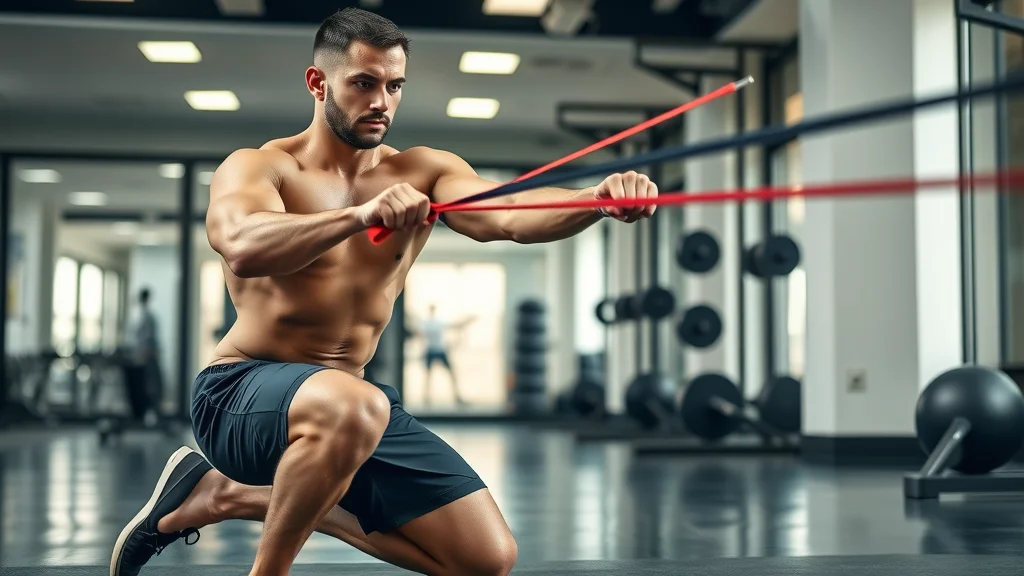
The half-kneeling Pallof press is a functional core exercise that trains your core muscles—especially the obliques and deep abdominals—to resist rotation. Unlike crunches or traditional leg exercises, its focus is on developing anti-rotational strength and improving stability through controlled resistance. To perform it, you kneel with one knee down and one foot forward, holding a resistance band or cable at chest height, then press forward and back while your core resists the band’s lateral force. This unique position not only targets the core to resist rotation but also helps lower body stability by engaging your glutes and hips. By practicing the half-kneeling Pallof press, you teach your body to maintain spinal alignment and brace efficiently during compound movements, essential for building a dependable strength base and protecting your lumbar spine throughout demanding strength training routines.
Origins of the Pallof Press: From Core Exercise Theory to Practical Application
The Pallof press is named after physical therapist John Pallof, who recognized that real-world movement demands rotational control more than just flexion or extension. Initially developed for athletes recovering from lower back injuries, it soon gained popularity among strength coaches and personal trainers for its ability to reinforce functional movement patterns. Today, the exercise is widely used to shore up weak links in an athlete's strength base, cultivate better posture, and provide a smart alternative to traditional ab routines that can overload the lumbar spine. As the half-kneeling variation has emerged, its emphasis on unilateral stability has expanded its value, making it a go-to choice for those looking to strengthen the core and run faster for longer.
"The half-kneeling Pallof press is not just another core exercise—it’s a foundational anti-rotation drill that teaches stability, control, and true functional strength." – Strength Base Coaching
Why the Half-Kneeling Pallof Press Matters for Your Core Exercise Routine
The Science: Anti-Rotation & Functional Core Strength
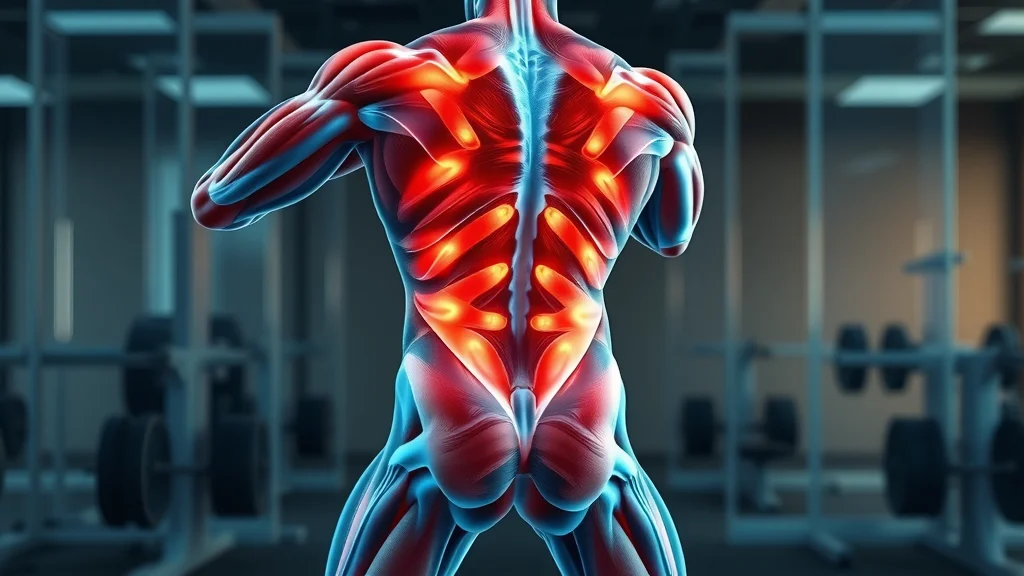
The core isn’t just about aesthetic “six-pack” muscles—it’s a complex system designed to stabilize your spine and transfer force. Traditional core exercises like sit-ups can put strain on the lumbar spine, especially if done improperly or excessively. In contrast, the half-kneeling Pallof press challenges your core to resist rotation and maintain spinal neutrality, mimicking the demands faced during actual sport and daily movement. Research in sports science highlights that anti-rotation exercises (like the Pallof press) reduce stress on the lumbar and thoracic spine, while improving core stability and functional strength. This means fewer injuries, better performance in compound lifts, and greater carryover to running, jumping, and rotational sports. By consistently training anti-rotation, athletes can develop a durable strength base that supports heavier lifts, improved posture, and more dynamic athletic movement.
- Limits spine stress compared to traditional core exercises like crunches or twists
- Raises value for both strength base development and injury prevention
| Variation | Main Benefit | Drawbacks | Best Use |
|---|---|---|---|
| Half-Kneeling Pallof Press | Greater core/hip stability, less lower back compensation | Higher learning curve, requires careful knee position | Building strength base, core to resist rotation |
| Standing Pallof Press | Full-body integration, easier setup, more dynamic | May compensate with hips/lower body; less isolated core challenge | Beginner core exercises, functional warm-up |
Step-by-Step Guide: How to Do the Half-Kneeling Pallof Press
To maximize the benefits and minimize risk, follow these practical steps. Always use a resistance band or cable machine with controlled tension, and focus on alignment for every rep.
- Setting Up for Proper Alignment: Anchor your band or set the cable at chest height. Stand sideways to the anchor point with enough space to press without obstruction.
- Selecting the Right Resistance Band/Cable: Choose a band/cable that challenges you without compromising form. Too heavy leads to compensation, too light reduces effectiveness.
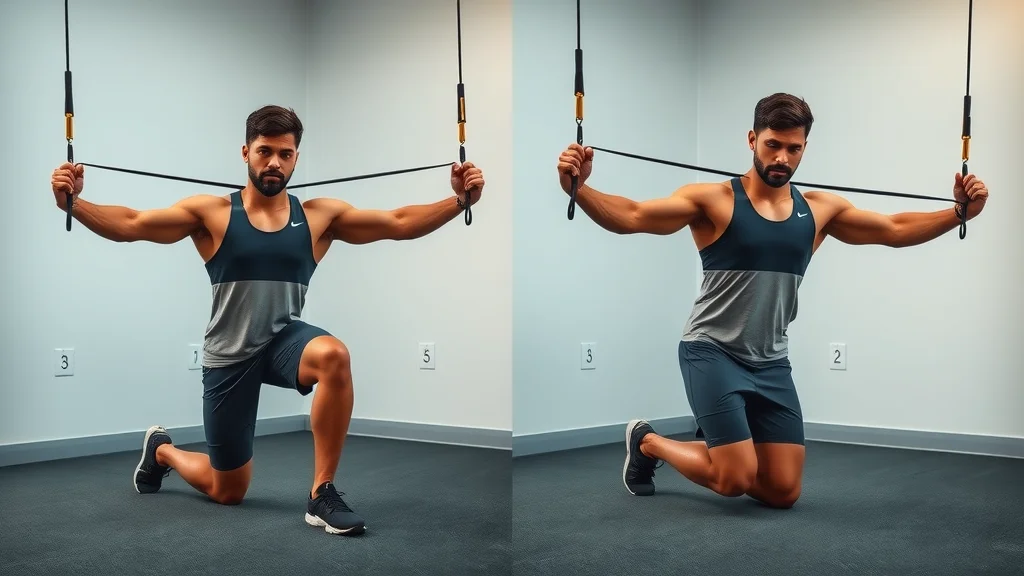
- Getting Into the Half-Kneeling Position: Drop to one knee so that the knee closest to the anchor is down and the other leg is in front at a 90-degree angle. Align hips, brace your core, and keep your torso upright.
- Pressing Out and Maintaining Core Engagement: Holding the band/cable with both hands at your chest, exhale and press directly out in front. Do not allow the resistance to twist your torso or shift your hips.
- Returning with Control and Repeating: Slowly return to the starting position with control. Maintain your alignment, and repeat for 8–12 reps per side.
Key Coaching Cues for a Perfect Half-Kneeling Pallof Press
- Maintain upright torso throughout
- Engage glutes and brace the core
- Press straight ahead—avoid letting the band/cable pull you in
- Keep shoulders down and back
The difference between an average and excellent pallof press lies in the details: a subtle hip shift or rounded back can undermine your core stability and limit the carryover to your strength base. Always check your form visually or with a personal trainer—small corrections make a big impact.
Half-Kneeling Pallof Press: Common Mistakes and Smart Fixes
"Even experienced lifters sometimes shift their hips or lose spinal alignment. Mastering the half-kneeling pallof press means catching these errors early." – Core Exercise Specialist
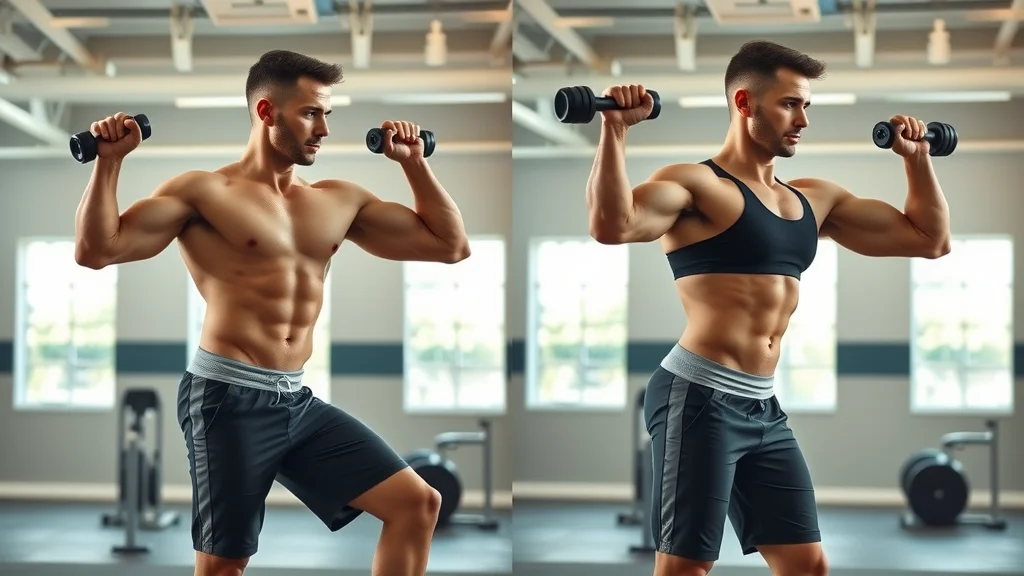
- Allowing hips to drift or rotate
- Losing core tension
- Gripping the band/cable too tightly
- Incorrect arm path
Practical Corrections for Each Mistake
If your hips twist or you notice your lower back arching, pause and reset your starting position. Engage your glutes and actively draw your ribcage down before each repetition. If you feel strain in your lower back or upper body tension, lighten the load or switch to a lighter band until control is restored. For those gripping too hard, soften your fingers and think about pushing through your palms. And always, press the band/cable straight ahead without letting elbows flare—the arms should track directly in front of your sternum. By catching and correcting these details, you ensure the movement delivers true anti-rotation benefit and builds your strength base over time.
Benefits of the Half-Kneeling Pallof Press as a Core Exercise
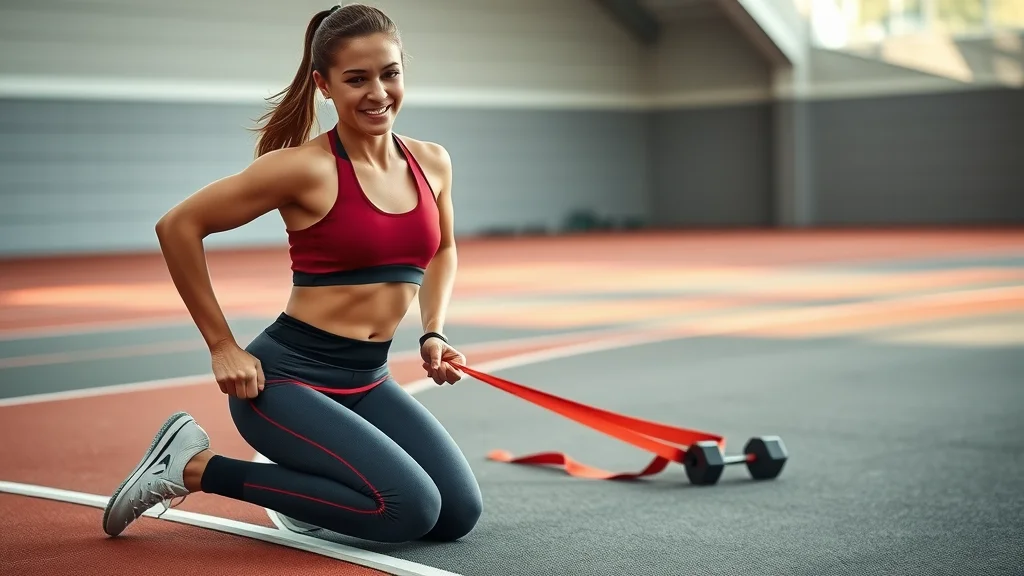
- Improved core stability and bracing
- Enhanced strength base for compound lifts
- Better rotational control and posture
- Transferable benefits for running faster and injury reduction
These benefits are backed by research and practical evidence: the half-kneeling Pallof press directly enhances your ability to bracing your core for squats, deadlifts, and running drills. By strengthening the body’s natural “bracing” system, it supports safer, more powerful movements and reduces risks of back pain and lumbar spine injuries—issues that afflict many lifters.
| Muscle Group | Main Function | Stabilizer Role |
|---|---|---|
| Obliques (internal/external) | Anti-rotation, lateral stability | Primary stabilizer |
| Rectus abdominis | Spinal bracing | Secondary stabilizer |
| Transverse abdominis | Core tension, inward pressure | Deep stabilizer |
| Glutes | Hip stability, force transfer | Anchoring base |
| Quadriceps/Hamstrings | Lower body support | Positional support |
| Shoulders/Upper back | Pressing stability | Controlled movement |
Who Should Use the Half-Kneeling Pallof Press?
- Athletes seeking to run faster or improve rotational power
- Lifters aiming to build a resilient strength base
- Anyone focused on functional core exercises
- Rehabilitation and general fitness populations
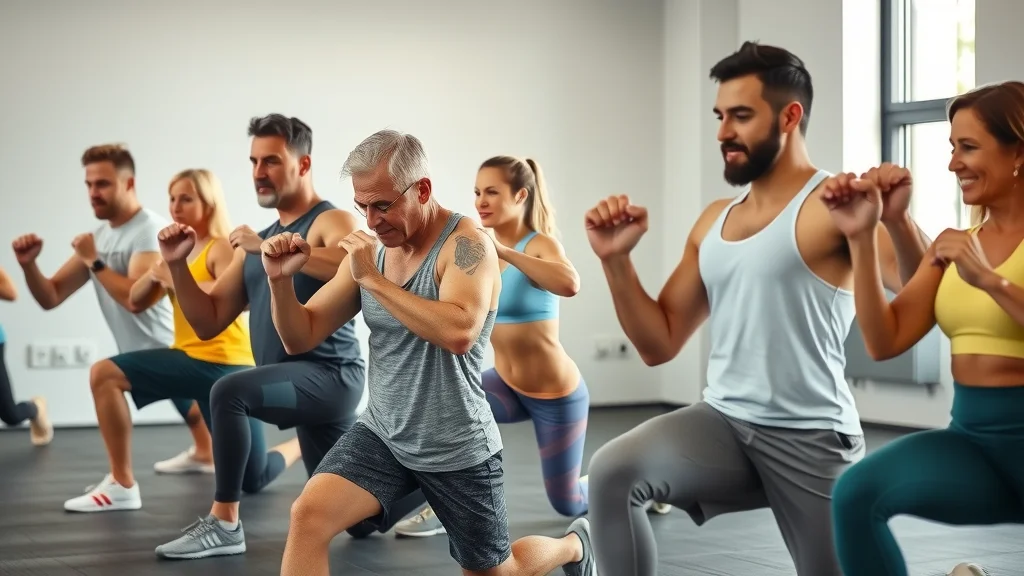
Whether you are an elite performer, a weekend warrior, or returning from injury, the half-kneeling Pallof press adapts to nearly every goal and experience level. It’s especially valuable for those rehabbing from back pain or lumbar spine issues, runners who want to run faster, and strength athletes who want to improve core strength without repetitive flexion movements.
Modifications, Progressions, and Regressions for the Half-Kneeling Pallof Press
- Making it easier: beginners and deconditioned athletes
- Making it harder: variables for advanced lifters
- Regressions for those new to core exercise routines
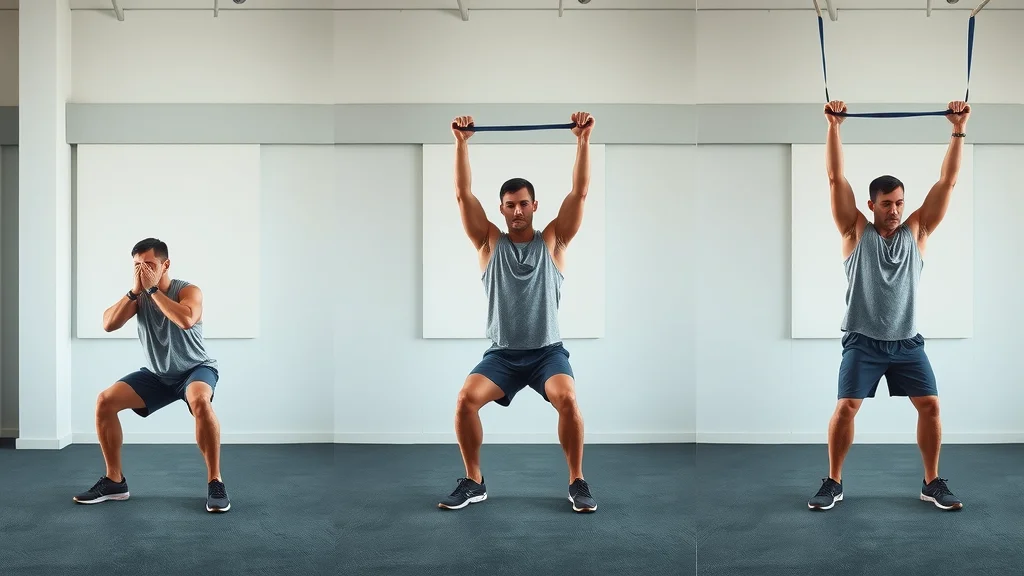
New to core training or recovering from injury? Start with very light resistance, and even perform the movement with both knees down until you’re comfortable bracing in a split stance. Advanced trainees can add pauses at full extension, slow the tempo, or use heavier bands. Overhead or diagonal Pallof press variations further challenge coordination and stability. The key is always to master the movement with control before progressing to heavier resistance or more complex variations.
How the Half-Kneeling Pallof Press Compares to Other Core Exercises
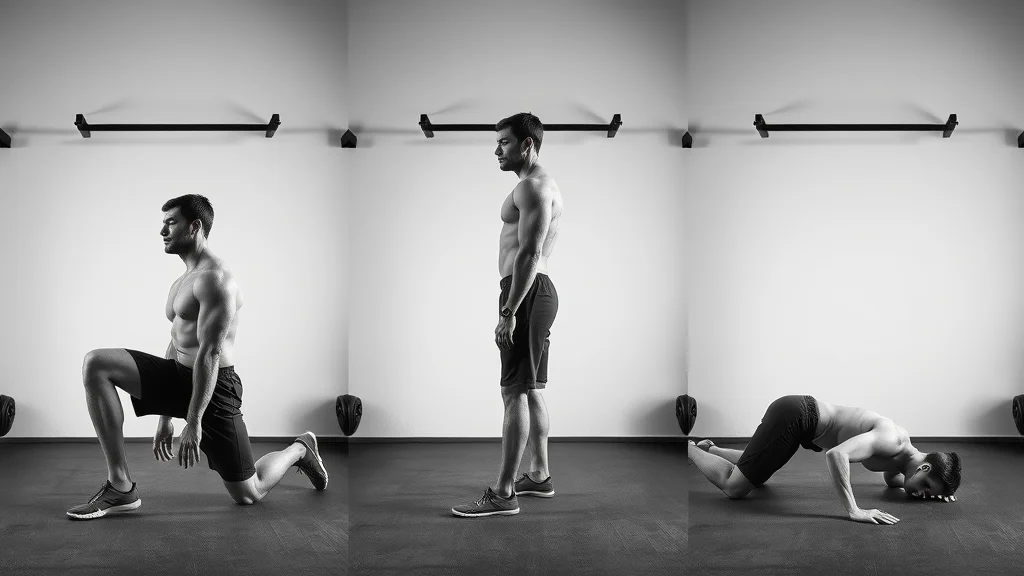
Unlike planks—which primarily target static bracing—the half-kneeling Pallof press uniquely trains your core to resist rotation with a functional, upright posture. Standing variations work well for more dynamic warm-ups or those who want a simpler entry point, while the half-kneeling variation demands more engagement from glutes and obliques, reducing lower back strain and better preparing you for compound lifts and athletic movements.
Half-Kneeling vs. Standing Pallof Press: Which Supports a Stronger Strength Base?
Both exercises share the principle of anti-rotation, but the half-kneeling version more specifically eliminates compensation from the lower body and lumbar spine, requiring deeper core engagement to maintain alignment. The added lower body stability in half-kneeling also offers better carryover for those training to run faster or improve postural control in a variety of sports.
| Exercise | Main Focus | Stability Demands | Applicability |
|---|---|---|---|
| Half-Kneeling Pallof Press | Anti-rotation, hip/core integration | High | Strength base, sport specificity, injury rehab |
| Standing Pallof Press | Anti-rotation, upper/lower body synergy | Medium | General warm-up, entry-level core exercise |
| Traditional Plank | Static bracing, endurance | Medium-Low | Beginner core stability, postural training |
| Sit-Up/Crunch | Spinal flexion, rectus abdominis activation | Low | General core strengthening, but less spinal safety |
Watch as a professional coach demonstrates the ideal technique for the half-kneeling Pallof press, emphasizing posture, bracing, and smooth extension. This high-definition video provides multiple angles and practical coaching cues, making it easy to follow for both beginners and advanced athletes.
People Also Ask: Is half kneeling Pallof press better than standing?
Answer: Examining Benefits and Scenarios for Both Variations
The half-kneeling Pallof press is generally better for those seeking focused core stability, lumbar spine control, and sports-specific carryover. By lowering your center of gravity and removing lower body compensation, it emphasizes anti-rotation more directly than the standing version. However, the standing Pallof press is a good starting point for beginners or those with knee issues. Ultimately, rotating both variations into your core exercise routine can balance stability, mobility, and real-world performance.
People Also Ask: What does half-kneeling Pallof press work?
Answer: Muscles Targeted and Functional Outcomes
The half-kneeling Pallof press works the obliques, transverse abdominis, rectus abdominis, glutes, and stabilizing muscles of the shoulder and upper back. Its main function is to improve your core’s ability to resist rotation during movement, which enhances your strength base, posture, and athletic abilities. Practically, this core exercise translates to better control during running, lifting, and any sport requiring strong, stable movement.
People Also Ask: What are common Pallof press mistakes?
Answer: Top Technique Errors and How to Fix Them
Common mistakes with the Pallof press include letting the hips drift or rotate, losing core tension, gripping the band/cable too tightly, and failing to keep the arm path straight. To fix these, engage your glutes, draw your ribs down, choose manageable resistance, and ensure each press is slow, controlled, and aligned. Checking your form in a mirror or asking for feedback from a personal trainer can prevent these errors.
People Also Ask: What is another name for Pallof press?
Answer: Alternative Names and Exercise Variations
The Pallof press is sometimes called an anti-rotation press, cable anti-rotation press, or banded core press. Various forms include the standing, half-kneeling, tall-kneeling, rotational, press-out, and overhead versions—each offering its own unique stability challenge and functional benefit.
FAQs About the Half-Kneeling Pallof Press
-
How often should I perform the half-kneeling Pallof press?
It’s safe and productive to include this exercise 2–4 times per week, especially during core exercise, strength training, or warm-up sessions. Consistency—not intensity—drives progress in improving core stability. -
Can it help with running faster and sports performance?
Yes. By improving anti-rotation and core bracing, the half-kneeling Pallof press helps athletes run faster and reduce risk of lower back strain. Its carryover is valuable for all dynamic sports. -
What equipment do I need for this core exercise?
Most people use a resistance band or a cable machine at a gym. Both provide safe, variable resistance for effective anti-rotation work.
Video Demonstration: Coaching Tips for the Half-Kneeling Pallof Press
This coaching video highlights core alignment, breathing, and intentional bracing. Watch for step-by-step cues and common form corrections before adding weight or speed.
Key Takeaways: The Half-Kneeling Pallof Press and Your Strength Base
- Anti-rotation and stability are essential for real-world strength
- Small technique cues make a big difference
- Upgrade core exercises to see improvements everywhere
Ready to Integrate the Half-Kneeling Pallof Press? Start Building Your Strength Base Today
Whether you’re seeking to lift more, run faster, or simply improve your posture and core health, adding the half-kneeling Pallof press to your routine delivers practical, lasting progress. Prioritize form, consistency, and progression—and witness how this simple exercise can transform your strength base for all that you do.
Sources
- T-Nation – https://www.t-nation.com/training/the-best-damn-core-exercise-youre-not-doing/
- ACE Fitness – https://www.acefitness.org/education-and-resources/lifestyle/blog/7233/move-of-the-week-pallof-press/
- Verywell Fit – https://www.verywellfit.com/pallof-press-exercise-guide-benefits-form-tips-4684126
- Stack – https://www.stack.com/a/anti-rotation-core-training-why-you-should-do-pallof-presses/
- BarBend – https://barbend.com/pallof-press/
The half-kneeling Pallof press is a core exercise that enhances anti-rotation strength, crucial for improving stability during heavy lifts and athletic movements. For a comprehensive understanding of this exercise, including its benefits and proper execution, consider exploring the following resources: “Half-Kneeling Pallof Press: The Anti-Rotation Core Exercise That Helps Build Stronger Lifts” (muscleandfitness. com) “Perfect the Pallof Press for More Core Strength and Stability” (barbend. com) These articles provide in-depth insights into the mechanics and advantages of the half-kneeling Pallof press, offering practical tips to integrate this exercise into your training regimen effectively.


Write A Comment