 Add Row
  Add
Add 

The Unique Approach Behind Bulldog Judo Academy
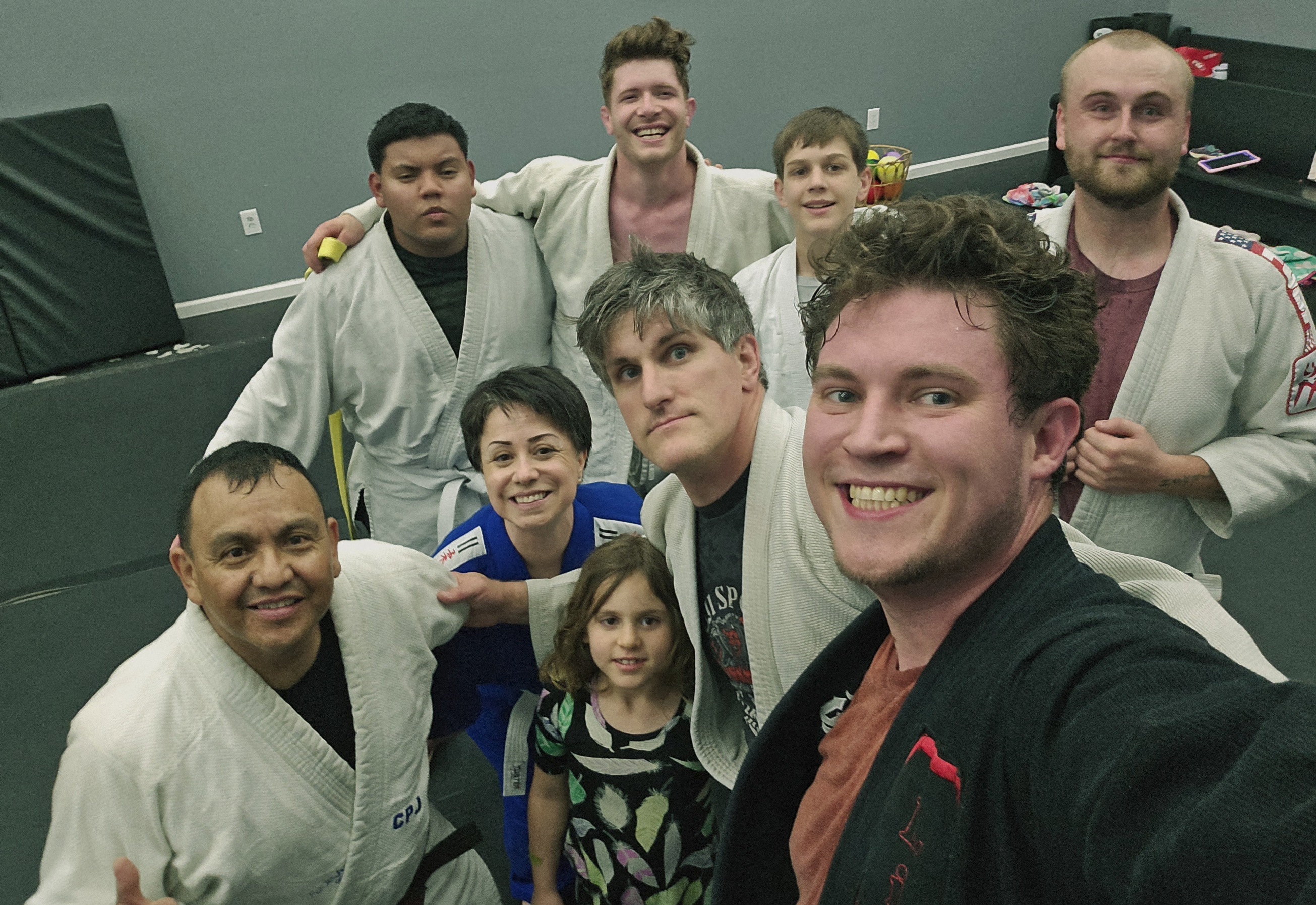
In an era when much of the fitness industry is defined by polished branding, rigid packages, and aggressive membership systems, Bulldog Judo Academy offers a notably different proposition. In the greater Columbia area in South Carolina, the program led by Travis Goldie is rooted in Judo, but its appeal reaches beyond the mat. For students looking for Judo training in the region, or a more meaningful martial arts fitness environment, the academy’s approach is less about spectacle and more about useful progress: learning how to move better, think better under pressure, and become more resilient in everyday life.
Sensei Travis came to the role gradually rather than theatrically. A former high school wrestler with some exposure to Judo in college, he began formal training around 2011 or 2012 under his sensei, Graham Hockley, an international fighter from the British military who later moved to the United States. Over time, training became more than a hobby. When the opportunity emerged to take over Bulldog Judo and continue building the program, he stepped in with a clear sense of purpose.
That purpose was not purely commercial. In the interview that informed this feature, Sensei Travis returned repeatedly to the same themes: giving people an outlet, helping them handle stress, and making the world “just a little bit better” through the culture created inside the Dojo. It is a mission that gives the academy an uncommon editorial interest. This is not simply a local martial arts story. It is a story about how a niche training discipline can become a framework for belonging, self-command, and long-term fitness.
A Dojo Built on More Than Technique
The easiest way to misunderstand a Judo Dojo is to assume that technique is the whole story. Technique matters, of course. Throws, grips, timing, movement patterns, and tactical awareness are central to the discipline. But Sensei Travis speaks about training in wider terms. He describes Judo as “more than just a sport or martial arts, but a way of life,” an approach he connects to how people manage stress, treat others, and approach adversity.
That distinction helps explain the academy’s tone. By his account, what matters most is not simply revenue or scale, but whether students are better because they came through the door. Better can mean several things at once: more physically capable, more self-aware, more confident, and less reactive. In a crowded wellness landscape, that kind of mission often sounds generic when reduced to marketing copy. Here, it feels more credible because it is tied directly to the practice of Judo itself.
What Students Actually Learn in Judo Training
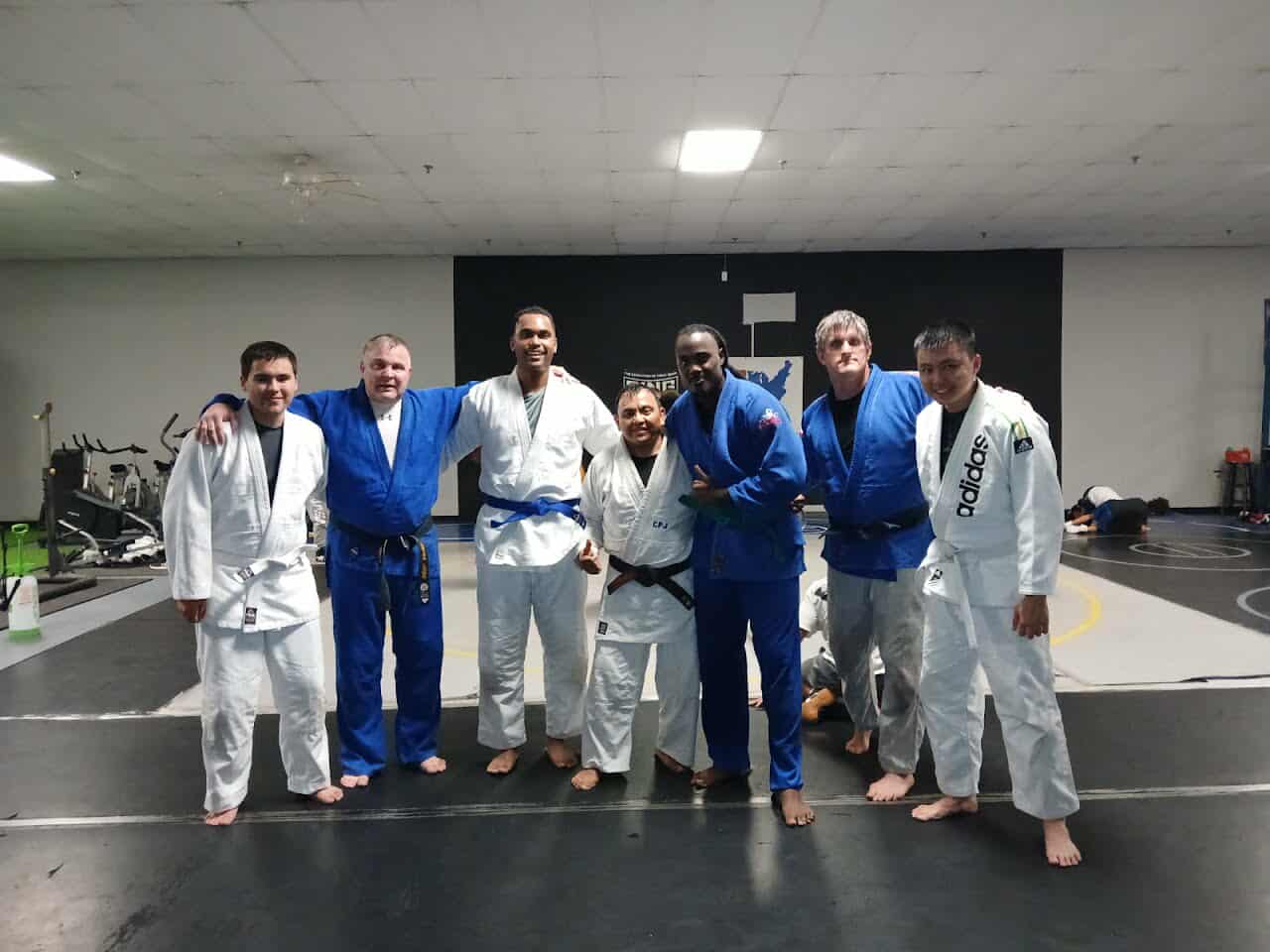
Bulldog Judo Academy is best known for Judo. Sensei Travis teaches the rules-based sport side of the discipline along with what he describes as the combat side, giving students a broad understanding of both structure and application. He also competes in and teaches around adjacent grappling traditions, including Sambo, a Soviet-era system with wrestling influences. That cross-disciplinary exposure gives the program a slightly broader combat-sport sensibility without diluting its core identity.
For a new student, however, the transformation begins with fundamentals rather than complexity. Sensei Travis describes the first phase in practical terms: most people arrive deconditioned, gas out quickly, and need time to adapt to the demands of class. One early milestone is simply being able to finish a full session without falling apart physically. In a fitness environment saturated with dramatic before-and-after rhetoric, that kind of honest benchmark feels refreshingly grounded.
The next lesson is safety. Judo is built around throwing and being thrown, which makes breakfalls essential. Students learn how to land correctly, tuck the head, breathe out, and relax the body to reduce injury risk. Sensei Travis frames this not only as a martial skill but as a life skill. Knowing how to fall well, especially as people age, is a deeply practical form of physical literacy. That perspective broadens the conversation beyond combat sports and places Judo closer to intelligent movement training.
Then comes pressure management. One of the more compelling ideas from the interview is Sensei Travis’s explanation that if someone pushes hard against a skilled opponent, the wrong reaction is often to push back blindly. In Judo, that instinct can make defeat easier. In life, he argues, the same pattern shows up in conversations, conflicts, and stressful moments. Students learn to redirect, absorb, and respond rather than react. That is where the academy’s approach becomes especially distinctive: the training is physical, but its implications are behavioral.
Why the Community Element Matters So Much
Fitness entrepreneurs often speak about community. Not all of them mean it in a substantive way. At Bulldog Judo Academy, the concept is more specific. Sensei Travis describes a Dojo culture that is open, social, and intentionally unpretentious. There is room for what he jokingly calls “nerdism,” from anime fans to people who simply enjoy the culture of learning how to fight. Students train seriously, but they also laugh, spend time together after class, and build friendships around a shared outlet.
That matters because many adults are not just seeking exercise. They are seeking structure, challenge, and a setting where stress can be metabolized in healthy ways. Sensei Travis describes the academy as an escape for people dealing with work, bills, family demands, and the pressure of modern life. His language is notably candid. The appeal is not fantasy or aggression for its own sake. It is the chance to test oneself in a supportive environment that still feels vivid and real.
This is also where the academy becomes more accessible than outsiders might assume. Students span a wide age range, from teenagers to adults over 40 returning to fitness. That diversity is important. It positions the program not as a narrow subculture reserved for elite competitors, but as a local training space where different people can find different forms of value. Some arrive for technical development. Some want conditioning. Some need a weekly outlet that feels more engaging than conventional gym routines.

An Unusual Coaching Approach: Individual Style Over Rigid Uniformity
One of the most interesting aspects of Sensei Travis’s perspective is his rejection of rigid sameness. He notes that his own fighting style is intentionally awkward and not especially conventional, and that this approach helps students discover their own systems rather than forcing them into a single mold. It is an idea with clear technical implications. Bodies differ. Temperaments differ. Timing, confidence, explosiveness, and preferred tactics differ. Effective coaching accounts for that.
From an editorial standpoint, that approach gives the academy a strong point of distinction. Many training environments promote discipline but quietly reward conformity above all else. Bulldog Judo appears to take a more nuanced view. The standards are real, the techniques matter, but students are encouraged to maximize their own strengths rather than become copies of the coach. That combination of structure and freedom is often where long-term commitment begins.
It also reinforces the idea that the academy is not merely teaching a sequence of moves. It is teaching adaptation. For anyone searching for a Judo program in the greater Columbia area in South Carolina that respects individuality while still holding a high technical bar, that may be one of the most compelling reasons to pay attention.
Growth, Access, and the Reality of Running a Local Dojo
If there is a recurring business theme in Sensei Travis’s interview, it is time. Like many local fitness operators, he is building the academy while also managing broader life responsibilities, including a day job and parenting. That constraint shapes everything from scheduling to expansion. He currently serves 21 adult students across two locations, alongside several black belts who train with and beside him. The program includes three adult classes per week and one kids class for younger students.
There is a useful honesty in the way he discusses growth. New students often find the academy through Google searches, the website, and referrals. Organic momentum has been meaningful, but the process is still uneven, and he acknowledges that he has not yet poured major energy or money into aggressive marketing. That puts the academy in a position many independent operators will recognize: strong authenticity, clear demand signals, and limited time to scale the opportunity fully.
Sensei Travis also speaks candidly about attrition, the challenge of keeping people engaged when life changes. Students move away, worry about injury, change jobs, start families, or simply run out of time. His response is not to force retention through inflexible contracts or upsells. In fact, he is openly skeptical of some of the revenue tactics he sees elsewhere in the industry. That stance may not be the fastest route to monetization, but it strengthens trust, which in the long run is often more valuable for a local reputation.
Local Relevance in the Greater Columbia Area in South Carolina
For local search and community relevance, the academy’s positioning is especially strong. Sensei Travis notes that Bulldog Judo is one of the only Judo programs in the area, a fact that naturally shapes how students discover it. Searches such as “Judo near me,” “Judo in Columbia SC,” or “martial arts fitness in the greater Columbia area in South Carolina” are not abstract SEO concepts here; they are precisely how many new students begin the relationship.
That local scarcity matters. In markets where certain fitness modalities are oversupplied, independent operators need elaborate differentiation to stand out. In the region, Bulldog Judo benefits from occupying a more distinct category while also offering a broader value proposition than outsiders may expect. It is not simply a place to learn throws. It is a place to improve conditioning, learn how to move safely under pressure, and join a serious but welcoming training culture.
There is also regional ambition in the vision. Sensei Travis talks about growth not only within existing locations but eventually through senior students who could help expand Judo into other parts of South Carolina that do not yet have access to it. He mentions Greenville and the Aiken area as examples of where future instruction could take root. The broader goal is not just a larger business footprint. It is a stronger statewide Judo presence built on self-sufficient programs that maintain quality and character.
What the Future Could Look Like
Asked what he would do with more time, Sensei Travis’s answer suggests a richer vision than simply adding more classes. Yes, he would expand training hours, increase student volume, and offer more youth programming. But he also imagines a broader ecosystem around the Dojo: summer camps, daytime sessions, and hybrid community activities that bring together play, strategy, and physical effort. His examples are unconventional by design, from games infused with exercise to the idea of blending chess-like thoughtfulness with combat-sport intensity.
That future-oriented imagination reveals something important about the academy’s character. Bulldog Judo does not appear interested in becoming a generic martial arts business with a sharper logo. It is trying to become a more meaningful local institution: a place where people train, socialize, compete, learn, and grow up within a shared culture. For families, for adults seeking a better fitness outlet, and for students who want martial arts instruction without sterile commercialism, that model has unusual appeal.
FAQ: Bulldog Judo in Columbia
What makes Bulldog Judo Academy different from other martial arts and fitness options in the greater Columbia area in South Carolina?
The academy combines traditional Judo instruction with a strong emphasis on fun, community, and practical life lessons. Students are not only taught throws and grappling concepts, but also how to manage pressure, fall safely, and build confidence over time.
What kind of Judo does the academy teach?
Bulldog Judo focuses on traditional Judo and the version used in Olympic competition. The instruction includes both sport-oriented structure and the broader technical value of the discipline.
Is this a good option for adults who are getting back into fitness?
Yes. Sensei Travis specifically describes students ranging from young adults to people over 40 who are returning to fitness. Early progress often centers on conditioning, stamina, and learning how to move safely before deeper technical development takes hold.
Does Bulldog Judo Academy offer training for kids?
Yes. The program includes a kids class for younger students, and youth development is part of the long-term vision for the academy, including the possibility of additional classes and seasonal camps in the future.
How do most people find the academy?
Most new students currently come through Google searches, the website, and word of mouth. Because Judo options are relatively limited in the area, local search visibility has been an important driver of organic growth.
Key Takeaways
- Bulldog Judo Academy positions Judo as both a serious training discipline and a practical path to better fitness, resilience, and self-control.
- The academy’s approach centers on fun, technical development, safe falling, and learning how to respond to pressure instead of reacting to it.
- In the greater Columbia area in South Carolina, the program fills an important local niche for students searching for authentic Judo training and a more personal gym culture.
- Sensei Travis’s coaching style encourages students to build their own approach rather than forcing every athlete into the same system.
- The long-term vision extends beyond class count and revenue to building self-sustaining programs that expand access to Judo across South Carolina.
Conclusion
The most interesting fitness businesses are often the ones that resist becoming purely fitness businesses. Bulldog Judo Academy belongs in that category. Its strength lies not only in the instruction of Judo, but in the way that instruction is framed: as a means of helping people move more confidently, think more clearly, and belong to something worthwhile. That combination of technique, accessibility, and approach gives the program a distinctive place in the regional market.
For students interested in martial arts, stress relief, practical movement skills, or a more grounded path back into fitness, Bulldog Judo offers something increasingly rare. It is serious without being self-important, disciplined without being sterile, and ambitious without losing sight of the people in front of it. In local fitness terms, that may be its most durable advantage of all.


Write A Comment