

Did you know that countries with high kimchi consumption report significantly fewer seasonal flu cases? This remarkable trend forms the foundation of exciting new research on kimchi health benefits. As global interest in functional food grows, kimchi—a staple of traditional Korean cuisine—has entered scientific conversations for its potential to strengthen immune system function and promote gut health. Whether you’re a health enthusiast, curious foodie, or someone seeking lasting wellness, this editorial will guide you through the real-world impact, proven science, and best practices for adding kimchi and other fermented foods to your daily life.
In this article, you’ll discover why kimchi matters for immune support, how to integrate it responsibly, how to avoid common pitfalls, and what the latest research really says about its place in your diet. Let's uncover both the "what" and the "why" behind kimchi’s growing reputation as a superfood for immune resilience and gut wellness.
A Startling Statistic: How Kimchi Health Benefits Are Shaping the Immune System Conversation
"Did you know that countries with high kimchi consumption report significantly fewer seasonal flu cases? This remarkable trend forms the foundation of exciting new research on kimchi health benefits."
Recent data from global nutrition studies highlight a striking pattern: regions with high rates of kimchi consumption, such as South Korea, experience measurably fewer seasonal flu cases compared to their global peers. This connection isn’t simply cultural—it’s being bolstered by clinical trials and peer-reviewed research on fermented food, probiotics, and immune system markers. One npj Science of Food study conducted by the World Institute of Kimchi found that naturally fermented kimchi harbors beneficial bacteria closely linked to improved gut health and faster immune responses against common pathogens.
As public health priorities shift towards prevention and resilience, kimchi’s health benefits provide a timely focal point. From lactic acid bacteria that stimulate immune cells, to its ability to enhance gut microbiota diversity, kimchi is more than a culinary fad—it’s at the leading edge of what makes food truly functional. Let’s dig deeper into what you’ll learn as we demystify the science and real-life application of kimchi’s benefits.
What You'll Learn About Kimchi Health Benefits and Immune System Support
What kimchi is, its traditional roots as a fermented food
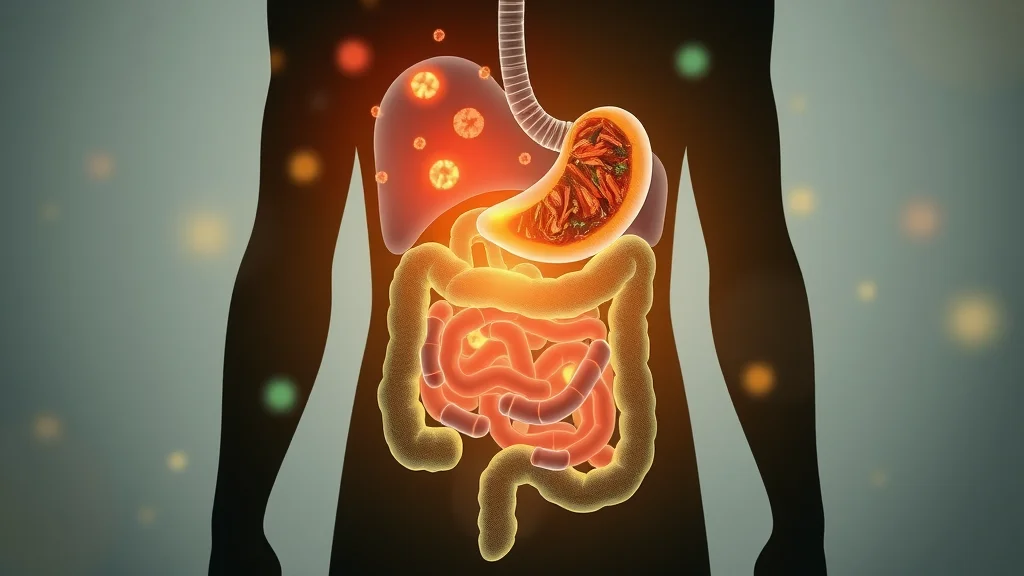
How kimchi health benefits impact the immune system and gut health
The science behind kimchi’s immune response capabilities
Step-by-step guide to adding kimchi to your diet responsibly
Common mistakes to avoid with fermented foods and immune health
Expert best practices for maximizing fermented foods' health benefits
Understanding Kimchi: The Fermented Food That’s Gaining Worldwide Attention
What Is Kimchi? Defining This Powerful Fermented Food
History and traditional fermentation methods
Key ingredients and nutritional profile of kimchi
How kimchi compares to other fermented foods
Kimchi is a staple of traditional Korean cuisine, recognized for its bold flavors, vibrant color, and complex nutritional benefits. At its core, kimchi is made from salted and fermented vegetables—most commonly napa cabbage and Korean radish—combined with chili pepper, garlic, ginger, and fish sauce. What sets kimchi apart from many other fermented foods is its dynamic, layered approach to fermentation. Naturally fermented with lactic acid bacteria, each batch can develop a unique microbial ecosystem, which promotes both gut health and robust immune responses.
The fermentation process relies on starter cultures found in the ingredients and environment, making every batch of kimchi a living food. Unlike pickles or sauerkraut that may be quickly processed with added vinegar, authentic kimchi is left to mature for days to weeks at carefully controlled temperatures, allowing beneficial bacteria and acid bacteria to flourish. This method brings out its signature tangy, spicy flavor and establishes a nutrient-dense profile—rich in vitamins A, B, C, K, and minerals like calcium and iron.
Kimchi’s nutritional advantages make it stand out among fermented foods. While foods like yogurt, kefir, and sauerkraut also offer beneficial bacteria and digestive support, kimchi’s blend of vegetables and spices creates a multifunctional food. It delivers fiber for gut microbiome support, antioxidants for cellular health, and plant-based compounds shown in the npj Science of Food to positively influence both metabolic health and immune responses.

Fermented Food |
Key Probiotics |
Nutrient Profile |
Flavor |
Unique Benefits |
|---|---|---|---|---|
Kimchi |
Lactic acid bacteria (Lactobacillus, Leuconostoc, Weissella) |
Vitamins A, B, C, K; calcium, fiber, capsaicin, antioxidants |
Spicy, tangy, complex, umami |
Boosts immune response, supports gut health, may reduce inflammation |
Sauerkraut |
Lactic acid bacteria |
Vitamin C, fiber, potassium |
Sour, salty, mild |
Supports gut microbiota, aids digestion |
Yogurt |
Lactobacillus, Bifidobacterium |
Protein, calcium, B vitamins |
Creamy, tangy |
Promotes digestive health, can boost immune activity |
Kefir |
Lactic acid bacteria, yeast |
Protein, calcium, B vitamins, magnesium |
Tangy, fizzy |
Gut microbiome diversity, often tolerated by lactose-sensitive individuals |
Why Kimchi Health Benefits Matter for the Immune System
Kimchi’s Link to Gut Health and the Immune System
Probiotics, gut microbiota, and immune response
Notable studies and expert opinions
Differences between kimchi and other fermented foods for immune system support
The connection between kimchi health benefits and immune system support largely revolves around the gut. Scientists increasingly recognize the gut as the body’s largest immune organ, with about 70% of immune cells residing in the digestive tract. Kimchi, when made and consumed in its naturally fermented form, serves as a rich source of probiotics—live beneficial bacteria like Lactobacillus and Leuconostoc—that boost the gut microbiome’s diversity and resilience. According to research from the World Institute of Kimchi and studies published in npj Science of Food, these probiotics directly influence immune cell function and fortify the gut barrier against harmful bacteria and viruses.
In a 2021 clinical trial published in npj Science of Food, participants who consumed 100 grams of naturally fermented kimchi daily for eight weeks saw substantial improvements in gut health indexes and in markers for innate and adaptive immune responses. Kimchi’s unique fermentation method—compared to other fermented foods like sauerkraut or yogurt—creates a broader spectrum of lactic acid bacteria, which defend against pathogenic invaders, stimulate immune cell production, and help regulate inflammation. Experts from the Institute of Kimchi emphasize that while all fermented foods offer benefits, kimchi stands out for its density of live cultures, dietary fiber, essential vitamins, and bioactive compounds harnessed from Korean chili.

How to Incorporate Kimchi for Maximum Health Benefits: Step-by-Step
Step 1: Choosing and Storing Quality Kimchi (Fermented Food)
Start by selecting kimchi made with traditional fermentation methods—look for unpasteurized, minimally processed products in the refrigerated section, as shelf-stable kimchi is often heat-treated, killing beneficial bacteria. Read labels: authentic kimchi will have a short ingredient list, prioritizing cabbage, radish, chili flakes, garlic, ginger, and sea salt over preservatives or sweeteners. If possible, purchase from local specialty stores or trusted brands that follow traditional recipes. Upon bringing kimchi home, store it in a glass or BPA-free plastic jar. Keep it tightly sealed and refrigerated, ideally between 2–5°C (35–41°F), to preserve the viability of probiotic cultures and prevent spoilage. Quality kimchi should be slightly effervescent, have a pungent aroma, and retain its distinct crunch.
Step 2: Integrating Kimchi Into Your Diet for Immune System Strength
Introducing kimchi to your meals is simple but should be done with intention, especially if you’re new to fermented foods. Begin by adding a small portion (about 1–2 tablespoons) as a side dish or topping for rice, grain bowls, salads, or avocado toast. Kimchi pairs especially well with protein-rich foods (grilled chicken, tofu, eggs) by supporting digestion and nutrient absorption. For optimal immune system benefits, aim for consistent intake—a few servings per week is typically sufficient for healthy adults. Slowly increase portions as your gut adjusts. Avoid cooking kimchi at high heat, as this can destroy live probiotics; instead, use it raw or add at the last minute to soups and stir-fries just before serving.

Step 3: Monitoring Your Gut Health and Body’s Immune Response
Frequency and serving sizes
Pairing kimchi with meals for optimal absorption
Safety tips for first-time kimchi eaters
Track your progress by noting any changes in digestion, energy, or overall well-being in a journal. The recommended serving is 30–50 grams per meal, several times a week. Pairing kimchi with fiber-rich, unprocessed foods enhances its health impact by feeding beneficial gut bacteria and maximizing nutrient uptake. New to kimchi? Start slow—too much too soon may cause temporary gas or bloating as your gut microbiome adapts. Those with underlying gastrointestinal issues should consult a healthcare provider before adding fermented foods to their diet, as kimchi’s acidity and live bacteria could interact with certain medical conditions or medications.
Key Coaching Tips: Best Practices for Kimchi and Fermented Foods
How to select high-quality, minimally processed kimchi for maximum health benefits
Why moderation matters: balancing fermented foods and gut health
Listening to your body and adapting your kimchi intake
When it comes to fermented foods, quality matters more than quantity. Choose kimchi with simple ingredients and no unnecessary additives—preservatives, pasteurization, and excess sugars compromise probiotic content and flavor integrity. Even though kimchi offers robust health benefits, overconsumption can disrupt digestive balance; moderation is key. Aim for diversity: including other probiotic-rich fermented foods such as yogurt, kefir, and tempeh helps populate a resilient gut microbiome. Pay attention to your body’s feedback, like digestive comfort or mild skin changes, and adjust your intake accordingly.
"Kimchi is not a cure-all, but its strategic use can provide noticeable immune system support over time." – Dr. Min Park, nutrition scientist
Common Mistakes With Kimchi, Fermented Foods, and Gut Health—And How to Fix Them
Eating too much kimchi and overwhelming your digestive system
Misunderstanding food labeling and buying overly processed kimchi
Neglecting the wider diet and missing out on other health benefits
Even the healthiest fermented foods can cause discomfort or fall short of their benefits if used improperly. Eating excessive amounts of kimchi in pursuit of faster health results can overwhelm your gut with acid bacteria and cause bloating, cramping, or loose stools. Many store-bought kimchis are pasteurized or filled with preservatives, which can significantly reduce their probiotic count—always read labels and seek naturally fermented varieties. Kimchi should complement a balanced diet, not replace it; focus on whole grains, fresh produce, lean proteins, and healthy fats alongside fermented foods to gain the most from your nutrition.
Simple Fixes: Practical Advice on Avoiding Mistakes With Fermented Foods
Start slow and increase intake as tolerated
Choose unpasteurized products when possible
Consult with a healthcare provider if you have underlying gut health concerns
If you’re new to kimchi or deeply fermented foods, introduce them one small serving at a time. This helps your gut microbiome adjust, reducing the risk of discomfort. When shopping, prioritize refrigerated kimchi labeled “unpasteurized” or “raw” for maximum probiotic activity. If you have a history of gut disorders, immune deficiencies, or other health challenges, consult your physician or a registered dietitian before adding large amounts of kimchi to your regimen.
The Science-Backed Benefits of Kimchi for Immune System and Overall Health
Health Benefit |
Kimchi |
Sauerkraut |
Other Fermented Foods |
|---|---|---|---|
Gut Microbiota Support |
Rich in diverse lactic acid bacteria; strengthens gut lining and increases beneficial bacteria |
Moderate; some strain diversity |
Varies by food |
Strengthened Immune Response |
Stimulates immune cells; boosts antiviral and antibacterial defenses |
Helps maintain immune balance |
Depends on probiotic content |
Antioxidant Potential |
Chili peppers, garlic, ginger deliver antioxidants that reduce inflammation |
Moderate |
Depends on ingredients |
Metabolic Health |
May improve cholesterol and support weight management |
Possible effect |
Varies |
Positive influence on gut microbiota
Strengthened immune response through regular consumption
Potential for reduced inflammation and improved metabolism
Compare kimchi health benefits with those of sauerkraut and other fermented foods
Who Will Benefit Most from Eating Kimchi?
Individuals seeking to improve gut health and immune system function
People considering fermented food for dietary diversity
Those with interest in scientifically proven health benefits
Kimchi is most beneficial for anyone interested in improving their gut health and immune resilience through practical, evidence-based nutrition. This includes adults seeking to diversify their gut microbiome, individuals wanting preventative strategies for seasonal illnesses, and those who respond well to ongoing research on fermented foods and functional food approaches. If you’re open to moderate dietary changes and curious about the power of naturally fermented foods, kimchi’s health benefits can play a pivotal role.
Modifications and Adaptations: Making Kimchi Work for You
Options for milder, less spicy kimchi
Kimchi for vegans, vegetarians, and those with food sensitivities
Homemade vs. store-bought kimchi: Pros, cons, and best practices
Kimchi’s flavor and preparation are highly adaptable. If you prefer milder foods, look for white kimchi (baek kimchi) that omits spicy chili. Vegan and vegetarian versions skip the fish sauce, using seaweed or miso for umami depth. Making your own kimchi at home gives you full control over ingredients, spiciness, and fermentation time, though it requires careful attention to cleanliness and fermentation safety. Store-bought kimchi offers convenience but may vary in probiotic density—always check labels for authentic fermentation processes.
Visual Guide on Fermented Food Preparation and Kimchi’s Impact on the Immune System
This explainer video features animated illustrations of the fermentation process, showcases how beneficial microbes populate the gut lining, and demonstrates how kimchi’s unique probiotic blend enhances immune system resilience. Interviews with leading nutrition scientists highlight proven strategies for safe, flavorful, and health-boosting kimchi preparation at home.
People Also Ask: Can Eating Kimchi Every Day Destroy Gut Bacteria?
The Truth About Daily Kimchi, Gut Health, and Microbiota Balance
No, eating kimchi every day does not destroy gut bacteria for most healthy individuals—in fact, regular consumption of naturally fermented kimchi typically enriches the diversity of your gut microbiome. Kimchi introduces beneficial, live lactic acid bacteria that support immune cell development and outcompete harmful pathogens. However, excessive intake (several cups daily) can cause digestive discomfort or rare imbalances. It’s best to start with moderate servings and listen to your body's cues. For those with underlying gut disorders, consultation with a healthcare provider is always recommended.
People Also Ask: What's Healthier, Kimchi or Sauerkraut?
Comparing Fermented Food Health Benefits: Kimchi Versus Sauerkraut
Both kimchi and sauerkraut provide excellent gut health benefits due to their fermentation processes and rich probiotic content. Kimchi, however, often contains a greater variety of vegetables, chili, ginger, and garlic, delivering a broader suite of vitamins, antioxidants, and lactic acid bacteria. Some studies suggest kimchi’s diverse ingredient profile gives it a slight edge for immune response and metabolic benefits, but sauerkraut remains a strong alternative—especially for those who prefer mild flavors or have lower spice tolerance. The healthiest choice is the one that you enjoy regularly and that fits your personal dietary needs.
People Also Ask: How Long Does it Take to See the Benefits of Kimchi?
Typical Timelines for Improved Gut Health and Immune System Support
Most people report noticeable improvements in gut health—such as better digestion and reduced bloating—within two to four weeks of regularly consuming kimchi (three to five servings per week). Immune system benefits, like enhanced resilience to colds or improved recovery times, may take six to eight weeks to become apparent and depend on consistency and overall diet. Remember, effect timing varies based on baseline gut health, individual immune function, and dietary diversity. For lasting results, focus on regular, moderate intake of kimchi and complementary fermented foods.
People Also Ask: Is Kimchi Good for Aging?
Kimchi Health Benefits for the Aging Population: Scientific Insights
Emerging research highlights kimchi’s potential for supporting healthy aging, thanks to its high antioxidant content, inflammation-fighting compounds, and ability to sustain microbiome diversity. For older adults, regular kimchi intake may help strengthen immune response, improve digestion, and reduce markers of oxidative stress. Furthermore, maintaining a robust gut microbiome has been linked in clinical studies to improved cognitive function and lower risk of chronic disease. As always, aged individuals should tailor their servings to tolerance and consult a healthcare professional when adding new fermented foods to their routine.
Frequently Asked Questions About Kimchi Health Benefits
Is kimchi safe for everyone? – For most healthy adults, kimchi is safe and beneficial. Those with severe gut disorders, salt sensitivities, or compromised immune systems should approach with caution and seek professional guidance.
How much kimchi is recommended for daily health benefits? – Between 30–50g per meal, three to five times per week is a practical, evidence-supported guideline for most people.
How does kimchi compare to other fermented foods for immune system benefits? – Kimchi offers unique advantages due to its diverse blend of probiotics, fiber, and antioxidant-rich vegetables, which may provide broader immune support compared to single-ingredient fermented foods.
What are the possible side effects of consuming too much kimchi? – Overconsumption may lead to digestive upset (bloating, gas, cramps) and, in rare cases, sodium overload; always prioritize moderation and listen to your body.
Key Takeaways: Maximizing Kimchi Health Benefits for Immune System and Gut Health
Kimchi, as a fermented food, offers documented health benefits for the immune system and gut health
Practical, evidence-based approaches are best for integrating kimchi regularly
Adapting kimchi intake to your lifestyle and health needs ensures maximum benefit
Ready to experience the full kimchi health benefits for yourself? Start with one meal this week and journal your results!
References & Further Reading
npj Science of Food – https://www.nature.com/articles/s41538-021-00105-y
World Institute of Kimchi – https://www.wkim.re.kr/eng/main/
Kimchi and Its Health Benefits: A Review – https://pubmed.ncbi.nlm.nih.gov/32927036/
Fermented Foods and Gut Microbiome – https://www.ncbi.nlm.nih.gov/pmc/articles/PMC6181793/
Kimchi, a staple of traditional Korean cuisine, offers numerous health benefits, particularly in supporting the immune system and promoting gut health. Its fermentation process enriches it with probiotics, such as lactic acid bacteria, which enhance digestive health and bolster immune function. (webmd. com) Additionally, kimchi is rich in vitamins A, B, C, and K, as well as minerals like calcium and iron, contributing to overall wellness. (bbcgoodfood. com) Regular consumption of kimchi has been linked to improved cholesterol levels and reduced inflammation, both of which are beneficial for heart health. (womenshealthmag. com) Furthermore, the antioxidants present in kimchi may help combat oxidative stress, potentially slowing the aging process. (hollandandbarrett. ie) Incorporating kimchi into your diet can be a flavorful and effective way to enhance your immune system and support digestive health.


Write A Comment