 Add Row
  Add
Add 


Did you know over 200 million people now download workout apps annually? The digital fitness revolution of 2026 is changing the way we build strength, shed pounds, and kickstart healthy habits—with technology as your ultimate gym partner. Whether you’re striving for a personal transformation, looking for a custom workout plan, or just getting started, picking the right fitness app can ignite lifelong results. In this feature, we cut through the noise to showcase the best workout apps dominating fitness in 2026, diving deep into their standout features, effectiveness for every fitness level, and the latest trends you can’t afford to miss.
Over 200 Million Downloads: Why the Best Workout Apps Are Dominating Fitness in 2026
The best workout apps are setting records in 2026, with downloads and user engagement soaring thanks to smart technology, adaptive training plans, and seamless integration with devices like the Apple Watch and other fitness trackers. What’s fueling this surge? It’s a combination of AI-powered personal trainers, comprehensive exercise libraries, and customizable workout experiences for every fitness goal and body type. Not only do these platforms offer routines for every major muscle group, but they also foster vibrant fitness communities, letting users share progress, motivate one another, and track their heart rate and calories burned in real time. Whether you’re seeking a strength train program, aiming for weight loss, or searching for a beginner-friendly training club, modern workout apps deliver on all fronts—making fitness not just accessible, but truly addicting.
What You'll Learn About the Best Workout Apps in 2026
A curated ranking of top fitness apps for weight loss, strength, and beginners
The features that make the best workout apps stand out
Comparison of workout apps by customization, tracking, and motivation tools
Trends in strength training and personal trainer features
Expert insights on choosing the best workout apps for your fitness goals
Editor's Criteria: How We Chose the Best Workout Apps
Range of fitness goals: weight loss, strength training, beginners
User experience and interface
Integration with fitness trackers and wearable tech
App store and play store reviews
Variety of workout plans and exercise libraries
Reputation of training clubs and personal trainers
"A good workout app doesn't just track your reps — it becomes your personal trainer, motivator, and roadmap to a healthier you."
Top 12 Best Workout Apps in 2026: Ranked and Reviewed
App Name |
Best For |
Key Feature |
Pricing |
User Rating |
|---|---|---|---|---|
Nike Training Club |
Strength Training |
Diverse workouts |
Free/Paid |
4.8 |
Fitbod |
Strength |
Adaptive plans |
Sub. |
4.7 |
MyFitnessPal |
All Levels |
Food & fitness tracker |
Free/Paid |
4.6 |
JEFIT |
Beginners |
Exercise library |
Free/Paid |
4.5 |
Aaptiv |
On-Demand |
Audio coaching |
Sub. |
4.5 |
Sweat |
Women |
Community |
Sub. |
4.5 |
Centr |
All Levels |
Celebrity trainers |
Sub. |
4.6 |
8fit |
Quick Workouts |
Custom plans |
Free/Paid |
4.4 |
Strava |
Cardio |
Run/cycle tracking |
Free/Paid |
4.8 |
Freeletics |
HIIT |
AI coach |
Free/Paid |
4.5 |
Strong |
Strength |
Log tracking |
Free/Paid |
4.6 |
Les Mills+ |
Group Fitness |
Studio classes |
Sub. |
4.5 |
Nike Training Club: The Versatile Strength Training Club and Workout App
Strength train programs for all skill levels
Features from Nike training club and expert personal trainers
Integration with fitness tracker and wearable devices
Wide exercise library and custom workout plans
Available on app store and play store
Nike Training Club continues to set the standard for the best workout apps in 2026, offering a wide variety of strength training programs and functional fitness routines suitable for every level. The standout feature remains its expert-led workout sessions, from world-renowned personal trainers and Nike athletes, tailored to your fitness level or specific muscle group focus. With video instruction, built-in fitness tracker sync, and custom workout plans, users can easily adjust their routines as their fitness goals evolve. Available on both the App Store and Play Store, this training club app also connects seamlessly with Apple Watch, ensuring heart rate and performance data are always at your fingertips.
Fitbod: AI-Powered Personal Trainer for Personalized Strength Training
Adaptive workout plan generator based on fitness goal
Advanced strength training tracking
Personalized fitness app recommendations for progression
App store and play store availability
Fitbod elevates strength train routines with its AI engine that crafts custom workout plans in real time based on past performance and your fitness goal. Whether you’re a beginner or a seasoned lifter, Fitbod adapts your routine for optimal progression. Its sleek interface makes logging sets, tracking muscle group usage, and adjusting weight effortless—ideal for users wanting a true personal trainer experience inside their phone. It integrates with major fitness trackers, and the app offers a free trial before subscription. Fitbod’s commitment to science-backed progression and real-time feedback keeps you building strength while avoiding overuse or plateau.

MyFitnessPal: The All-in-One Fitness App for Weight Loss and Healthy Living
Combines a comprehensive fitness tracker with nutrition tracking
Workout app integration for full-body fitness goal coverage
Popular on play store and app store with positive user reviews
Synonymous with fitness apps for all levels, MyFitnessPal is loved for its all-in-one approach. Alongside tracking workouts, it offers an industry-leading nutrition database and barcode scanner, streamlining healthy eating and exercise into a single dashboard. Whether tracking calories, macros, or hydration, this fitness app ensures holistic weight loss support. It integrates with popular workout apps and fitness trackers, making it easy to monitor daily activity, heart rate, and progress toward your fitness goal. Consistently earning high marks on both the App Store and Play Store, its free version is robust enough for most users, with more advanced analytics behind the paid upgrade.
JEFIT: Best Workout App for Beginners with Massive Exercise Library
Step-by-step exercise library with video demos
Tailored workout plans for new users
Extensive tracking for strength training progress
Strong community and app store feedback
For newcomers, JEFIT stands out among the best workout apps for its vast exercise library—boasting thousands of video demos categorized by muscle group. Beginners love its guided routines, making it easy to understand proper form and avoid injury, while the intuitive logger helps users visualize progress in strength training. JEFIT’s community forums and detailed analytics encourage consistency, which is key for success at any fitness level. Available on iOS and Android, JEFIT is a popular pick on both the app store and play store.
Aaptiv: Audio-Centric Fitness App with Real Personal Trainer Coaching
On-demand, guided audio fitness app sessions
Diverse classes from HIIT to stretching
Progress tracking and fitness goal setting
If you’re driven by motivating voices and clear audio cues, Aaptiv is your go-to workout app. With real personal trainers guiding you through HIIT, treadmill runs, strength train circuits, and more, you’ll get the expertise of a training club without leaving your home. The fitness app’s library continues to expand and now includes stretching, cardio, and mindfulness, giving users a wide variety of options to suit their mood or fitness goal. Its in-app progress tracking helps you stay accountable—whether you’re tracking runs, calories burned, or number of sessions per week.

Sweat: Workout App for Women Focused on Strength Training and Community
Female personal trainers and programs
Supportive fitness training club community
Exercise library and progress tools
Built for women by women, the Sweat app remains a stellar choice for those seeking both community and serious strength training. Led by world-class female personal trainers, Sweat offers structured training plans for strength, HIIT, pilates, and post-natal fitness—all supported by a thriving in-app community. Detailed progress dashboards and an accessible exercise library make this fitness app a staple for women at any fitness levels. The subscription-based app consistently garners top scores on app store review charts, catering to a wide variety of workout preferences.
Centr: Fitness App by Celebrity Trainers and Multi-Disciplinary Workouts
Personal trainer support, nutrition, mindfulness
Workouts tailored for all fitness goals
Highly rated across app store and play store
Centr stands out among the best workout apps for its unique blend of celebrity trainers (think Chris Hemsworth), diverse workout plans, plus meal and mindfulness coaching for a holistic approach. Its workout app design guides users seamlessly between cardio, strength train, and yoga workouts—making it ideal for those who want everything in one place. With strategies for stress management, meal plans, and community support, Centr has earned rave reviews from all fitness levels on both major app stores.
8fit: Quick, Customizable Workout App for Busy Lifestyles
Time-efficient workouts
Easy-to-follow strength training and weight loss plans
Intuitive interface for beginners and experienced users
For anyone pressed for time, 8fit is engineered for efficiency. Each training plan can be customized—perfectly fitting 10- to 30-minute slots, with guided routines covering all major muscle groups. Its straightforward app interface and quick-start options suit beginners, while more advanced users can access tailored nutrition advice and HIIT circuits. 8fit offers both a free version and premium upgrades, ensuring value for everyone looking for fast results on tight schedules.
Strava: Best Fitness App for Cardio and Social Motivation
Run and cycle tracking with competitive features
Community-driven fitness goal sharing
Syncs with fitness tracker devices
Strava has established itself as the fitness app for runners, cyclists, and outdoor training enthusiasts. Its live tracking, segment competitions, and robust analytics turn solo workouts into social, community-driven challenges. Syncing seamlessly with wearables like Garmin or Apple Watch, it provides advanced heart rate data and compatibility with a wide variety of fitness trackers. Strava’s club feature enables group runs or rides, helping you stay consistent toward your fitness goals while fostering friendly rivalry and support.
Freeletics: AI Coaching Workout App for HIIT and Bodyweight Training
Personalized training club with adaptive workout plans
Strength training, cardio, and flexibility routines
Available on app store and play store
Freeletics harnesses artificial intelligence for hyper-personalized training club experiences—making it a top pick for HIIT fans and bodyweight training lovers. Its AI coach tailors each session to your feedback and progress, adjusting intensity, rest, and target muscle group as needed. The app’s robust exercise library covers moves for every skill level; plus, the Freeletics community thrives inside the app, motivating users from around the globe. Available for iOS and Android, Freeletics frequently lands at the top of app store charts.
Strong: Simple Strength Training Log and Personal Progress Tracker
User-friendly interface for quick workout logging
Strength train metrics visualization
Personal fitness goal setting
The Strong app is pure simplicity—ideal for dedicated strength train practitioners or anyone seeking an intuitive workout logger. It’s designed to let users quickly record sets, weights, and reps, then visualize progress over time with clean charts and muscle group analytics. Its custom templates and workout plan builder make it great for lifters at any level. Strong is available as a free version with premium upgrades, and its easy export features appeal to data-oriented athletes.
Les Mills+: Fit Studio Experience at Home via Leading Workout App
Studio-quality group workouts
Strength, cardio, HIIT, dance classes
Integrates with most fitness trackers
For those missing the energy of a live fitness class, Les Mills+ recreates the studio experience at home. Offering streamed classes led by certified trainers, the app features workouts across strength, HIIT, dance, and more. It’s compatible with Apple TV and fitness trackers, making it easy to cast your session on the big screen or monitor heart rate in real time. Les Mills+ is a favorite among group fitness fans and is highly recommended for anyone who craves variety in their training plan.
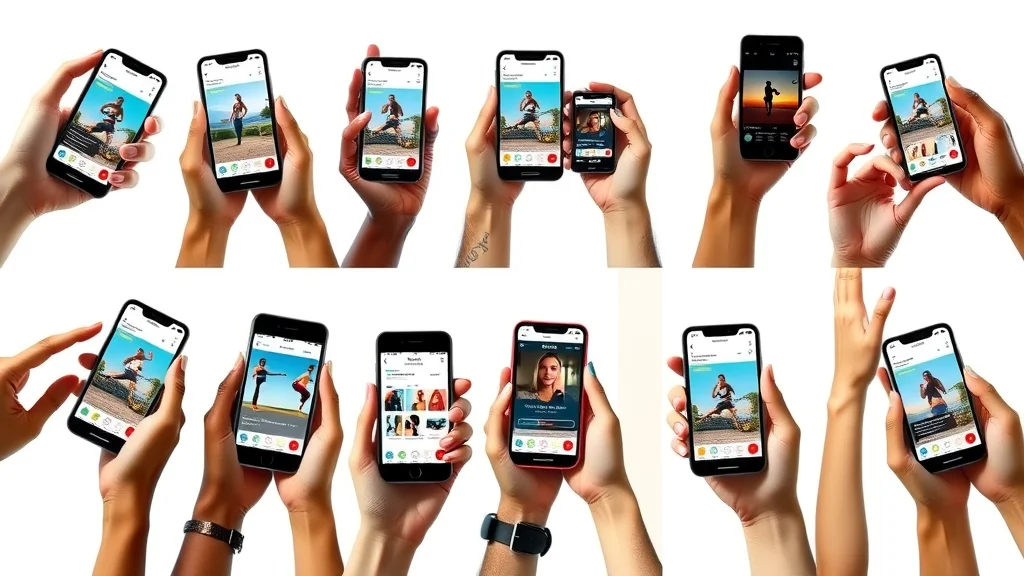
Watch our exclusive montage of fitness enthusiasts using workout apps across smartphones and wearables—demonstrating real-time feedback, personal trainer guidance, and the dynamic features that set 2026’s top apps apart.
How to Choose the Best Workout App for Your Fitness Goals
Identify your primary fitness goal: weight loss, strength training, or endurance
Look for workout apps with personal trainer support
Evaluate app interface, community, and integration with fitness tracker
Assess workout plan customization and exercise library size
Check user reviews on app store and play store
"The best workout app is the one that you’ll actually use — consistency trumps perfection." — Leading Fitness Tech Expert, 2026
Workout App Trends in 2026: Personal Trainers, Wearable Tech, and More
Rise of AI-powered personal trainer features
Deeper integration with wearable fitness trackers
Training club social elements and live virtual classes
Expanding exercise library and workout plans
The boundaries between a fitness app, personal trainer, and data-driven lifestyle coach are blurring. In 2026, expect a surge in AI coaches delivering bespoke feedback and instant training tweaks, as well as even closer ties with Apple Watch and equivalents—making data like heart rate, recovery, and calories automatic parts of your daily routine. Also on the rise are robust social networks built around workout apps, connecting users for live classes, milestone-sharing, and collaborative fitness goals.
Comparing the Best Workout Apps: Features, Price, and More
App |
On-Demand Classes |
Personalized Plans |
Tracker Sync |
Price Range |
|---|---|---|---|---|
Nike Training Club |
Yes |
Yes |
Yes |
Free–$$ |
Fitbod |
No |
Yes |
Yes |
$$ |
MyFitnessPal |
Yes |
Yes |
Yes |
Free–$$ |
JEFIT |
Yes |
Yes |
Yes |
Free–$$ |
See candid reactions as everyday users put the top workout apps through their paces, rate standout feature sets, and share their progress and fitness goals.
User Stories: Real Results from the Best Workout Apps
How a beginner lost 30 pounds using a fitness app
Training club transformed for strength training enthusiasts
Personal trainer features helped users achieve new fitness goals
"Using the right workout app turned my fitness goal from wishful thinking into reality." — Best Workout Apps User, 2026
Lists: Top Free vs. Paid Workout Apps – Pros and Cons
Free workout apps: Best for budget-minded users, limited features
Paid workout apps: More comprehensive fitness app offerings, advanced personal trainer support
Table comparing free vs. paid app benefits and drawbacks
Free vs. Paid Workout Apps | ||
Feature |
Free Apps |
Paid Apps |
|---|---|---|
Personal Trainer Support |
Limited |
Extensive |
Exercise Library |
Moderate |
Very Large |
Ad-Free Experience |
No |
Yes |
PAA: What app do most people use for working out in 2026?
Most Popular Workout Apps and Why They Lead the Pack
In-depth look at app store stats and fitness app trends, featuring the most downloaded workout apps and common reasons for their popularity.
In 2026, the landscape shows a handful of workout apps consistently top the download charts on both the app store and play store. Nike Training Club and MyFitnessPal remain dominant thanks to their extensive exercise libraries and custom workout plans. Strava, geared toward cardio and the social competitive spirit, also boasts a huge monthly active user base. These apps top the charts due to a mix of personalization, regular feature updates, strong community elements, and integration with wearables, meeting a wide variety of fitness goals from strength training to endurance and weight loss.
PAA: Is it worth paying for a workout app in 2026?
Evaluating the Value: Free vs. Paid Workout Apps
Analysis on fitness app ROI, feature sets, and the impact of personal trainer upgrades.
While free workout apps offer the basics—tracking workouts, step counts, and calorie burns—many users unlock their full potential with paid versions. Subscription-based fitness apps often deliver exclusive features: extensive exercise libraries, true personal trainer support, detailed analytics, and ad-free user experiences. If you’re pursuing advanced strength train targets, seeking curated training programs, or wanting real-time personal trainer feedback, investing in a paid app may significantly boost ROI and sustainability of results. Review trial periods to see which model best fits your commitment and goals.
PAA: Are fitness apps effective for weight loss and strength training?
Expert Review of Workout Apps' Efficacy for Different Fitness Goals
Evidence-based assessment of the best workout apps for achieving short- and long-term results in both weight loss and strength training.
Research and user testimonials show that fitness apps are highly effective tools for weight loss, muscle building, and improving overall health. Their structured plans, accountability reminders, and ability to track every metric—calories, reps, heart rate—give users control and insight like never before. Top apps utilize behavior science to nudge adherence, while built-in communities and badges foster friendly competition. For both beginners and advanced athletes, the combination of knowledge, structure, and motivation found in the best workout apps helps you achieve and sustain results, turning short-term efforts into lasting habits.
PAA: What should a beginner look for in a workout app?
Beginner's Checklist: Evaluating the Best Workout Apps
Key features to prioritize: intuitive UI, exercise library size, personal trainer access, easy fitness tracker sync, and supportive training clubs.
Beginners should choose a workout app with an intuitive user interface, an extensive library with video demonstrations, and step-by-step routines specifically designed for new users. Personal trainer guidance—whether live or AI-powered—adds extra value by teaching proper form and progression. Apps that sync with fitness trackers make it easy to monitor effort and celebrate small victories along the way, while built-in support from training clubs or community forums helps keep motivation strong through the inevitable first-month hurdles.
FAQ: Your Most Pressing Questions About the Best Workout Apps in 2026
How can I sync my fitness app with my wearable tracker?
Most leading workout apps (like Nike Training Club and Strava) allow easy syncing via Bluetooth. Pair your Apple Watch or fitness tracker inside app settings for heart rate and step data.Which workout apps focus on strength train programs?
Fitbod, Strong, and Nike Training Club are top choices for dedicated strength training, offering tailored routines and detailed progress charts for each muscle group.Are there workout apps with live personal trainer support?
Yes! Many subscription fitness apps now offer real-time personal trainer sessions via video or chat, including Centr, Les Mills+, and Aaptiv.Do the best workout apps work offline?
Several apps—such as JEFIT and Strong—let you download workout plans and log sessions offline, ideal for travel or spotty Wi-Fi.Is it possible to create custom workout plans?
Absolutely. Most highly rated apps, like Fitbod and JEFIT, let you build or adapt existing plans for your specific fitness goal, schedule, and equipment.
Key Takeaways from the Best Workout Apps in 2026
Best workout apps blend personalization, community, and proven fitness outcomes
Strength training, weight loss, and all levels catered for
Look for features like personal trainer access, robust exercise library, and fitness tracker sync
2026’s top fitness apps deliver results for every fitness goal
Ready to Try the Best Workout Apps? Start Your Fitness Transformation Today!
Don’t wait—download a top fitness app, set your fitness goal, and begin your journey to a stronger, healthier you.


Write A Comment