Add Row
Add Element
Fitness Living Magazine Logo
UPDATE
Add Element
  • Home
  • Categories
    • Fitness Headlines
    • South Carolina
    • Top Picks
    • Gym Growth
    • Nutrition + Performance
    • Recipes + Meal Prep
    • About the Magazine
    • Featured Fitness Leader
    • California
    • Local News
  • About The Magazine
The Media Platform for Fitness Leaders & Owners.
March 15.2026
1 Minute Read

Alessandro Cavagnola’s Smith Machine Leg Raises for a Stronger Core

Introduction: Why Smith Machine Leg Raises Stand Out in a Modern Leg Workout

Did you know? A study in the Journal of Strength and Conditioning Research found that machine-based leg exercises like smith machine leg raises may activate key core muscles more than traditional bodyweight moves—helping bridge the gap between core strength and full-body stability.

When it comes to forging a resilient core and sculpting strong legs, the smith machine leg raise stands out as a unique, effective addition to any leg workout routine. Unlike popular leg curls, leg presses, or even sissy squat variations, this hybrid move offers a blend of controlled intensity for both core and lower body development. With more gym-goers and home gym enthusiasts seeking smarter methods to maximize every minute spent at the gym, exercises that efficiently target multiple muscle groups—without sacrificing safety—are in high demand. That’s where Alessandro Cavagnola’s method shines, helping you get more core and leg engagement using one versatile machine. This guide explains the what, why, and how of smith machine leg raises, guiding you through expert instructions, common pitfalls, and proven strategies for long-term progress. Whether you are a beginner eager for clear steps or an advanced lifter searching for technical refinement, you’ll learn exactly how to upgrade your routine and level up your results.

  • What You’ll Learn:
    • The fundamentals behind smith machine leg raises
    • Step-by-step instructions on technique
    • Mistakes to avoid and how to fix them
    • Benefits for both core and legs
    • Who should prioritize this move
    • Alternatives and modifications for all levels
    • Evidence-based tips and practical insights for long-term progress

What Are Smith Machine Leg Raises? (Defining the Exercise and Method)

Smith machine leg raises are a hybrid core and lower body exercise performed using a smith machine—a gym staple that features a fixed barbell on guided tracks for added stability. The smith machine provides a controlled environment for leg workouts, minimizing the risk of poor form or overuse of momentum. In this exercise, you use the fixed bar to anchor your body while lifting and lowering your legs, targeting the abs, hip flexors, and quads, as well as engaging the shoulders for upper body stability. This move contrasts the classic hanging leg raise, which demands significant grip and core strength, and exercises like the leg press or leg curl, which primarily isolate larger muscle groups of the lower body. With the smith machine leg raise, you benefit from the machine’s stability, allowing for deliberate, controlled motion to maximize muscle activation—especially for those working to bridge strength gaps between core and legs.

  • What is a smith machine?
    • A versatile, guided barbell system commonly used for squats, presses, and now, innovative lower body moves like leg raises.
  • Introduction to the leg raise
    • A classic exercise for targeting abdominal and hip flexor strength, traditionally performed hanging from a bar or lying on the floor.
  • How smith machine leg raises compare to classic leg raises and other machine leg workouts
    • This variation offers controlled range and stability, emphasizing core engagement and leg alignment for more focused results.
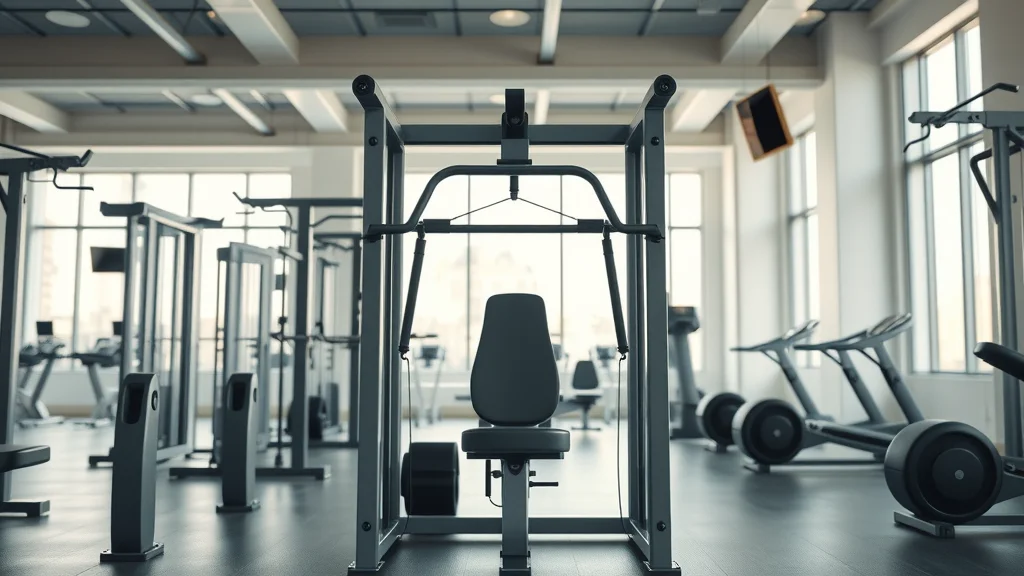
Modern gym smith machine setup for smith machine leg raises
Comparison of Smith Machine Leg Raises vs. Hanging Leg Raises vs. Leg Press
Exercise Equipment Primary Muscles Secondary Muscles Skill Level
Smith Machine Leg Raises Smith Machine Abs, Hip flexors, Quads Shoulders, Grip Intermediate
Hanging Leg Raises Pull-up Bar Abs, Hip Flexors Forearms, Grip Advanced
Leg Press Leg Press Machine Quads, Glutes Hamstrings, Calves Beginner+

Why Smith Machine Leg Raises Matter: Purpose, Core and Leg Strength Benefits

Athletes and trainers increasingly favor smith machine leg raises as an efficient way to link core development with lower body power. Unlike isolated movements such as the leg curl or solely lower-body dominant exercises like the leg press or sissy squat, smith machine leg workouts create an environment for full-body tension and body control. This is especially important for sports that demand stability across the trunk and legs, like track events, team sports, or martial arts.

The controlled, guided path of the smith machine means every rep reinforces core stability and leg alignment. This helps reduce the risk of lower back strain often found in dynamic core training. In addition, the move trains the rectus femoris, hip flexors, and quads—muscles essential for explosive movements, posture, and injury prevention. Experts point out that the smith machine's inherent stability encourages strict form and focused activation, making it an ideal bridge between purely core-based and leg-based exercises for the lower body.

  • Why athletes choose smith machine leg workouts
  • Real-world benefits: core stability, leg development, reducing lower back strain
  • Expert insight: How controlled movement and stability differentiate the smith machine leg raise from traditional options

Step-by-Step: How to Perform Smith Machine Leg Raises for Maximum Benefit

  1. Set up the smith machine for your height: Adjust the bar so you can comfortably grip it overhead while your feet hover just above the ground or bench. Ensure the area is free from obstructions and that the bar locks securely into position.
  2. Secure grip and starting position: Stand facing the bar, grip it slightly wider than shoulder-width, and let your body hang with a neutral spine. Engage your core and legs, ensuring shoulders are pulled back and down for stability.
  3. Initiate the leg raise with optimal range of motion: Lift your legs—together and straight—from the hips until they reach at least hip height. Focus on a slow, deliberate motion without swinging or using momentum.
  4. Control descent for muscle engagement: Lower your legs back to the start position with a steady, controlled tempo. Avoid letting your feet or legs drop quickly to maximize tension on the abs and hips.
  5. Breathing, tempo, and common cues throughout the leg workout: Inhale as you prepare, exhale slowly as you lift, and maintain a steady breathing rhythm for each repetition. Consistent cues: "brace the core," "lift with intent," and "lower slowly."

Mastering each of these steps will help you harness the full strength-building and stability benefits of smith machine leg raises. This method also transitions well to other lower body exercises, unlocking greater efficiency in your overall leg workout routine.
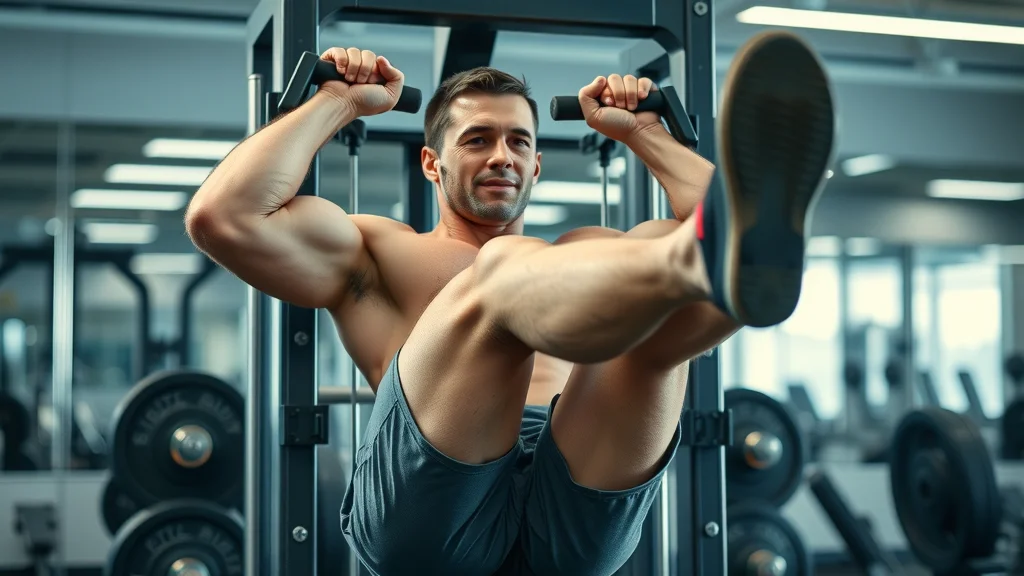
Athlete performing smith machine leg raise with strong form in modern gym

Coaching Tips for Smith Machine Leg Raises: Best Practices from Experts

To perfect your smith machine leg raise, focus on maintaining proper hip alignment throughout the movement; avoid excess forward or backward tilt, which can lead to lower back compensation. Engage your core continuously—think about “drawing your belly button to your spine”—which keeps your trunk stable and your legs back in the right position. Avoid the temptation to use momentum; every rep should be slow, intentional, and under complete control. Choose a weight or resistance level that allows you to perform the move with excellent form for the desired number of reps—progress only when your technique is consistent.

As you advance, add progressive variations to your smith machine leg workout: use ankle weights, perform paused reps, or try alternating leg raises to challenge the core and hip flexors further. The goal: quality over quantity. Adhering to these tips helps you maximize the benefits and minimize risk so that each workout builds both skill and strength.

  • Focusing on correct hip alignment
  • Engaging core throughout
  • Avoiding overuse of momentum
  • Selecting appropriate weight/resistance
  • Variations for smith machine leg workout progression

Common Mistakes with Smith Machine Leg Raises—and How to Fix Them

Even experienced gym-goers can fall into patterns that limit progress or increase injury risk with machine leg exercises. Here are the most common errors and practical solutions:

  1. Swinging the legs or using momentum: This decreases core activation and undermines the purpose. Slow down the movement, focusing on lifting with abdominal strength and not hip drive.
  2. Arching the back excessively: An arched spine can transfer the load away from the abs and strain the lower back. Keep the lower back pressed gently toward the pad or maintain a neutral spine, avoiding excessive extension.
  3. Incomplete range of motion: Raising the legs only partway limits muscle activation. Strive to bring your legs at least parallel to the ground—or higher if mobility allows—on every rep.
  4. Rushing repetitions without control: Fast, jerky moves won’t maximize engagement. Perform every rep slowly, especially on the way down—focus on the “lower slowly” cue for best results.
  5. Selecting an inappropriate weight: Using too much resistance can compromise form, while too little may not stimulate the right muscles. Choose resistance that challenges you without forcing compensation.
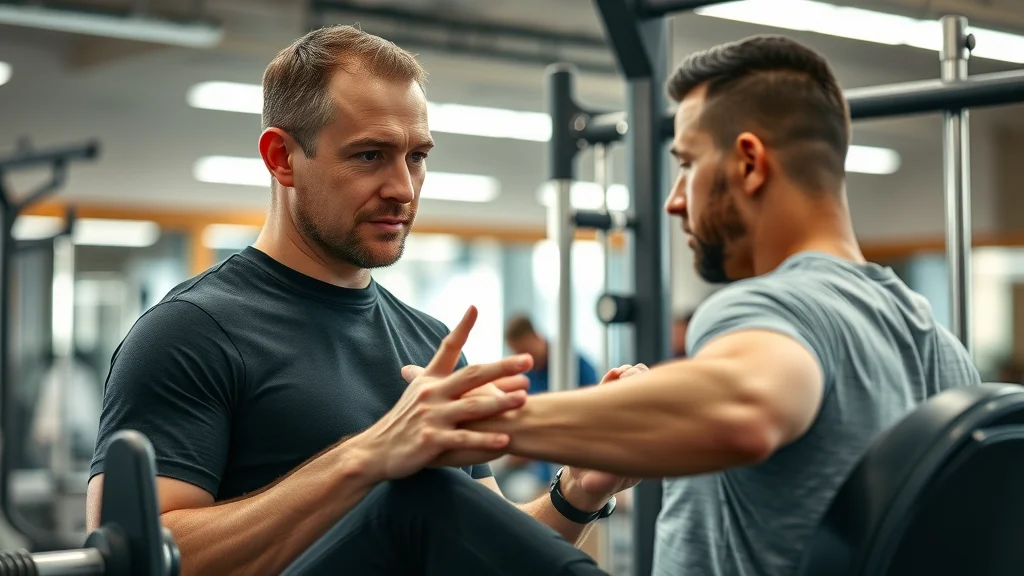
Personal trainer guiding correct smith machine leg raise form in gym
“It’s not just about lifting the legs—focus on slow, controlled reps to make your smith machine leg raises truly effective.” – Professional Trainer

Key Benefits of Smith Machine Leg Raises for Core, Legs, and Athletic Performance

Smith machine leg raises deliver wide-ranging advantages that set them apart from other machine leg exercises or traditional core moves. Firstly, they build increased core strength and muscular endurance thanks to the consistent tension throughout each rep. The fixed pathway of the smith machine can also reduce the risk of lower back pain, making it a safer option compared to many “core” exercises that require unsupported movement or excessive lumbar extension.

In addition to the abdominals, the quads and hip flexors receive targeted engagement, driving improvements in lower body strength. Importantly, adding these into a regular leg workout introduces valuable variation for the nervous system—preventing plateaus—and can be tailored for nearly every fitness level or goal. The move also complements leg press, hack squat, and sissy squat training, making it an essential tool for balanced lower body and core development.

  • Increased core strength and muscular endurance
  • Lower risk of lower back pain compared to other ab exercises
  • Synergistic improvement in quads and hip flexors
  • Added variation to any leg workout routine

Diverse gym-goers performing smith machine leg raises and classic leg raise exercises

Who Should Try Smith Machine Leg Raises? Athlete, Beginner, or Regular Gym-Goer

While the classic smith machine leg raise is best suited for intermediate and advanced athletes with experience handling bodyweight and machine leg exercises, that doesn’t mean beginners are left out. With minimal risk and a controlled environment, these raises are especially useful for those transitioning from basic leg raises or looking for a new challenge after mastering the leg curl, leg press, or sissy squat.

For those just starting, modifications such as bending the knees or reducing range can make the exercise accessible. If you’re building a home gym or assembling a push legs–focused routine, smith machine leg raises can provide value with less equipment than a full leg press setup. Advanced lifters also benefit by pushing further with added resistance, complex tempos, or unilateral variations for advanced athletic performance.

  • Suitability for intermediate and advanced athletes
  • Modifying the smith machine leg raise for beginners
  • When to include smith machine leg raises in your leg workout

Modifications and Regressions: Making Smith Machine Leg Raises Work for Everyone

Not every lifter will start with the full-straight-leg version of the smith machine leg raise. Modifications ensure nearly anyone can benefit. Begin with bent knees if straight legs are too challenging—this lessens load on the hip flexors and quads while still engaging the core. As you gain strength, progress to straight legs, add ankle weights, or increase reps and sets.

If access to a smith machine is limited, or you want to add variety, consider exercise substitutes: the sissy squat for quad isolation, leg curl for hamstrings, or leg press for overall lower body strength. Adaptation is key—choose progressions and regressions that match your skill and available gym equipment, keeping your training flexible and effective for long-term gains.

  • Simplifying the movement using bent knees
  • Progressions: Weighted smith machine leg raise
  • Substitutes: sissy squat, leg curl, or leg press if needed
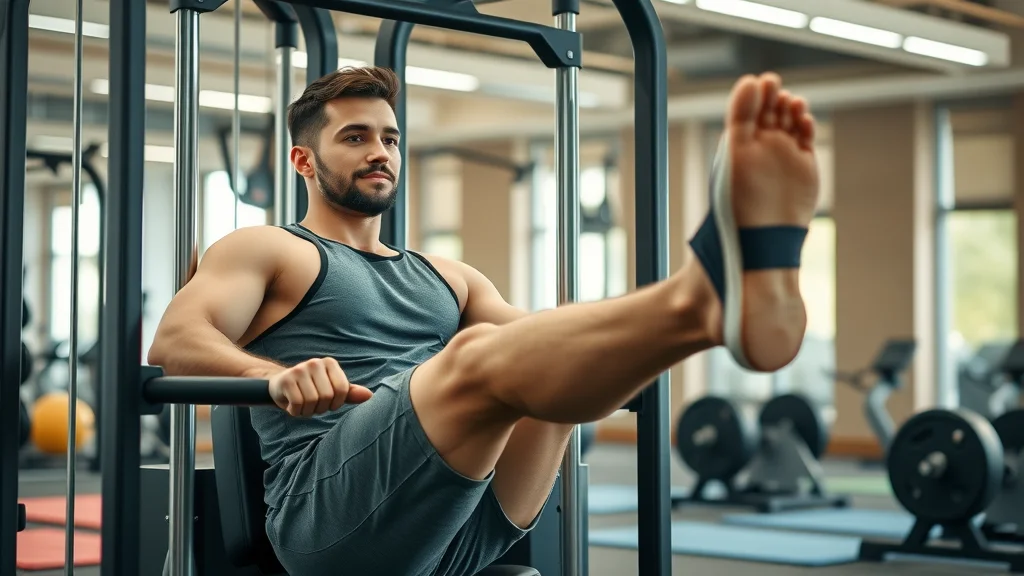
Beginner performing smith machine leg raise with bent knees in friendly gym

People Also Ask: Smith Machine Leg Raises FAQ

Can I get abs just by doing leg raises?

While leg raises—including smith machine variations—are excellent for targeting abdominal and hip flexor muscles, visible abs require a combination of strong abdominal activation and low body fat levels. Incorporating core exercises like leg raises helps build a solid foundation, but achieving defined abs also means focusing on nutrition, overall body composition, and consistency in your full workout routine.

What happens if I do 30 leg raises everyday?

Doing 30 leg raises every day can strengthen your hip flexors, quads, and abs, especially in the early stages. However, overuse may lead to muscle imbalances, fatigue, or strain if not balanced with rest and other movement patterns. For optimal results, alternate intensity and mix with other machine leg or core movements while giving muscles time to recover.

Is the Smith machine good for legs?

The smith machine is versatile and excellent for developing leg strength with exercises like squats, presses, and leg raises. Its guided track allows for safe, stabilized movement—ideal for lifters looking to build strength without overloading joints or for those progressing toward free-weight movements.

What is a replacement for hanging leg raises?

If hanging leg raises are too advanced or uncomfortable, the smith machine leg raise is a great alternative due to its stability. Other effective substitutes include the leg curl, leg press, floor lying leg raises, or sissy squats, each targeting complementary muscle groups with differing levels of intensity.

Key Takeaways From Alessandro Cavagnola’s Smith Machine Leg Raise Approach

  • Smith machine leg raises blend core and leg benefits
  • Control, range, and stability matter most
  • Ideal for intermediate to advanced lifters
  • Variations ensure suitability for most gym-goers

Further Resources and References for Smith Machine Leg Raise Mastery

  • Leading studies on machine leg training and core performance
  • Expert-approved workout guides for smith machine and leg raise variations

Ready to Upgrade Your Leg Workouts? Start Incorporating Smith Machine Leg Raises Today

Mastering smith machine leg raises can spur lasting progress in both your core and lower body. With Cavagnola’s method, you gain stability, control, and efficiency—perfect for anyone ready to elevate their leg workouts and achieve smarter training results.

Conclusion: For a stronger core, safer training, and better leg development, add smith machine leg raises to your routine and refine your form for long-term gains.

Sources

  • Journal of Strength and Conditioning Research – https://journals.lww.com/nsca-jscr/fulltext/2012/05000/Comparison_of_Core_Muscle_Activation_Between_A.27.aspx
  • Bodybuilding.com – https://www.bodybuilding.com/content/the-ultimate-guide-to-machine-training.html
  • Men’s Health – https://www.menshealth.com/fitness/a29774032/smith-machine-exercises-workouts/
  • T-Nation – https://www.t-nation.com/training/the-best-machine-exercises-for-every-body-part/
  • BarBend – https://barbend.com/smith-machine-exercises/

To deepen your understanding of Smith Machine leg exercises and their benefits, consider exploring the following resources: “The Ultimate Smith Machine Leg Workout: Tips and Benefits” (muscleandfitness. com) This article provides a comprehensive guide to maximizing your lower body workouts using the Smith Machine, including exercise variations and safety tips. “7 Best Smith Machine Leg Exercises To Build Mass and Strength” This video demonstrates effective leg exercises on the Smith Machine, offering visual guidance to enhance your training routine. Incorporating these insights can help you optimize your leg workouts and achieve balanced muscle development.

Fitness Headlines

0 Comments

Write A Comment

*
*
Please complete the captcha to submit your comment.
Related Posts All Posts
03.15.2026

RockBox Fitness Riverwalk Launches Fitness Transformation Challenge—Here’s Why Locals Are Joining

RockBox Fitness Riverwalk 📍 Address: 652 Herrons Ferry Road #107, Rock Hill, SC 29730 📞 Phone: +1 980-457-8090 🌐 Website: https://rockboxfitness.com/locations/riverwalk/ ★★★★★ Rating: 4.7 Inside the high-energy world of Rock Hill’s boxing-inspired workouts, residents discover more than just sweat and strength—they’re joining a movement that’s reshaping how the community approaches health and wellness. On a weekday evening at RockBox Fitness Riverwalk, rhythmic thuds of gloves meeting heavy bags blend with shouts of encouragement from trainers circling the gym floor. Groups of locals—some in well-worn gym gear, others taking their first tentative steps—trade combinations at a series of boxing stations. The room hums with determination and camaraderie as music pulses overhead and a digital timer counts down, pushing everyone through rounds of punches, kicks, and strength drills. The crackle in the air is tangible: participants aren’t just going through the motions, but chasing a goal that extends far beyond the hour-long class. It’s here, in this kinetic environment, that Rock Hill residents are taking up the latest in fitness challenges, driven by a promise—the “fitness transformation challenge”—that reaching new heights is possible, together. The explosion of the fitness transformation challenge in Rock Hill mirrors a national trend: group fitness programs built around accountability, expert coaching, and functional movement are taking center stage. For many, the appeal is simple yet profound. Instead of solitary treadmills or monotonous routines, community-driven challenges give structure, motivation, and tangible results—all within a dynamic, supportive environment. Across Rock Hill, locals are embracing the blending of boxing, kickboxing, and strength circuits as a fresh approach to health, drawn by both the physical results and the sense of shared purpose. In a world where wellness can often feel daunting or isolating, this approach is catalyzing a new conversation about fitness, health, and how a community moves—and improves—together. Punching Above the Plateau: Why Fitness Transformation Challenges Are Changing the Way Rock Hill Trains The concept of a fitness transformation challenge is rapidly gaining traction, with more people trading in rigid weight-loss plans for evidence-based, instructor-led programs that encourage holistic change. At its core, the challenge combines structured workouts—often integrating high-intensity interval training, boxing, and functional strength maneuvers—with nutrition guidance and goal tracking. The draw? An environment in which no session feels the same, and progress is measured not just in pounds lost, but in power gained, stamina built, and confidence earned. Many participants find that the variety and adaptiveness to all levels not only prevents boredom but also keeps the body guessing, enabling greater results across multiple pillars of fitness. These challenges are more than a trend—they mark an evolution in how communities approach wellness. In Rock Hill, fitness transformation challenges speak to residents seeking more than fleeting motivation; they offer a concrete, science-backed roadmap to improving cardiovascular endurance, muscular strength, coordination, and overall body composition. They attract a diverse group—busy parents looking for efficient yet powerful workouts, teens and young athletes aiming to augment sports performance, and adults prioritizing long-term health. Mental wellness benefits have also become a cornerstone, as participants often note a decrease in stress and anxiety, a revitalized mood, and a growing sense of accomplishment after each session. The stakes of not engaging—prolonged plateaus, loss of enthusiasm, or ongoing health risks—push more people to explore these comprehensive, goal-oriented programs that promise and deliver change. How the Fitness Transformation Challenge Empowers Community Wellness, Strength, and Motivation Within the walls of facilities like RockBox Fitness Riverwalk, the fitness transformation challenge takes shape as a multifaceted journey. Participants aren’t simply following workout routines—they’re invited into an environment specifically engineered for growth, safety, and inspiration. Expert coaches lead customized sessions, ensuring that everyone, regardless of their starting point, can take on the challenge with confidence. The focus extends beyond repetitions or calories burned; members receive nutritional guidance and track their personal milestones, transforming what might otherwise be a solitary pursuit into a collective adventure where progress is both visible and celebrated. Physical benefits of the challenge are apparent: participants regularly report significant improvements in strength, stamina, and body composition. High-energy boxing stations, varied strength circuits, and over 900 functional moves are fused into 50-minute classes designed to maximize calorie burn—sometimes up to 1,000 calories per session—while building core stability and flexibility. Yet the real value lies in its holistic approach: beyond mere physical transformation, challengers consistently experience boosts in self-confidence, better stress management, and renewed motivation. For Rock Hill locals, this integration of mind and body is especially resonant, reflecting a broader shift toward wellness that values emotional resilience and community support every bit as much as physical gains. Boxing, Strength, and Community: The Science-Backed Appeal of Dynamic Group Training Fitness professionals and sports scientists widely recognize group-based, functional workouts—especially those incorporating boxing and strength intervals—as some of the most efficient strategies for athletic development and overall health. Unlike isolated gym sessions, the shared energy of small-group classes ignites both friendly competition and mutual encouragement, driving individuals to push past perceived limitations. The blend of boxing techniques and high-intensity training not only increases cardiovascular fitness and muscle tone but also leads to elevated endorphin levels, enhanced metabolic rate, and lasting caloric afterburn, making every session a powerful tool for achieving both short- and long-term goals. What sets the fitness transformation challenge apart in the Rock Hill fitness landscape is its adaptability. Whether participants arrive as seasoned athletes or complete novices, tailored instruction helps them master form, reduce injury risk, and scale intensity at the perfect level. ESPN’s ranking of boxing as one of the world’s best all-around sports for conditioning underscores the diverse skill set developed: agility, balance, power, core strength, and mental sharpness. Local adults, teens, and even family groups find that the fun, ever-changing workouts prevent burnout and ensure every session offers something new to learn or achieve—cementing the challenge as a sustainable, lifestyle-driven approach to wellness. Inside RockBox Fitness Riverwalk: A Hub for Transformation and Inclusive Fitness Culture RockBox Fitness Riverwalk stands as a snapshot of how Rock Hill’s wellness scene is evolving. The studio’s structure—a series of 50-minute classes blending authentic boxing techniques with tailored strength circuits—has attracted a cross-section of the community, welcoming complete beginners and competitive athletes alike. The brightly lit space comes alive each morning and evening with energetic workouts, led by expert trainers and punctuated by laughter and applause as members hit personal milestones. Newcomers are offered complimentary orientations, where experienced instructors break down key kicks, punches, and safety techniques, ensuring that even those without any prior boxing experience can step in with confidence and leave feeling empowered. Programming at the studio is defined by both variety and accessibility. Dozens of different moves and training approaches keep workouts engaging, while flexible schedules—featuring three to five class options most days—mean that anyone can find a time to participate. Members from all walks of life share success stories: quick, measurable changes in strength and stature, plus less tangible but equally valuable rewards like enhanced energy, better sleep, and a sense of belonging. The combination of science-backed methodology, supportive coaching, and a relentlessly positive environment has positioned RockBox Fitness Riverwalk as a touchstone for those taking on the fitness transformation challenge, exemplifying the best of what current fitness culture has to offer. Redefining “Progress”: Real Results, Lasting Habits, and Mental Health Benefits The effects of the fitness transformation challenge ripple well beyond aesthetic gains. While weight loss and muscle definition drive many to sign up, participants frequently highlight non-physical wins as the most significant outcomes. For some, it’s the energy that lingers long after class—a boost that follows them through work, family life, and sleep routines. For others, it’s the reduced stress, increased resilience, and confidence born from committing to a goal and crushing it, one workout at a time. Studies have shown that high-intensity, skills-based exercise such as boxing has measurable impacts on mood regulation, anxiety reduction, and cognitive clarity. In Rock Hill, the challenge model also breaks down barriers that have long kept people from engaging in regular fitness, such as intimidation, boredom, or lack of direction. The studio atmosphere isn’t about comparison, but about collective progress—members cheer each other on, forging meaningful friendships and celebrating achievements. This community-driven ethos transforms what was once a difficult habit to maintain into a genuinely enjoyable routine, making fitness not just a New Year’s resolution, but a permanent lifestyle upgrade for many residents. Expert Coaching and Environment: What Sets Transformation Challenges Apart RockBox Fitness Riverwalk’s approach reveals why expertly coached transformation challenges are resonating locally. Every participant receives step-by-step guidance, both in learning technical skills and adjusting intensity for personal comfort and safety. Classes are kept fresh—no two workouts are exactly the same—enabling members to avoid plateaus and continuously develop new abilities. The trainers’ philosophy centers around inclusivity and empowerment, ensuring that everyone, regardless of past fitness experience or current ability, feels included and challenged appropriately. The environment is one of acceptance and high energy. All equipment is provided and meticulously maintained, and beginners receive extra attention through orientation and coaching, so no one is left guessing or feeling overwhelmed. By investing in both physical outcomes and genuine support, the studio demonstrates a profound belief in long-term, sustainable health—leading by example and creating a ripple effect throughout the wider Rock Hill wellness community. This is not simply a place to break a sweat; it is a hub for learning, mutual encouragement, and lasting personal growth. When Fitness Becomes Family: A Member’s Transformation Journey For many, what happens within a fitness transformation challenge extends far beyond the four walls of the studio. The sense of community and empowerment is perhaps best captured in the words of those who have experienced it firsthand. One participant shared the following after months of commitment, encapsulating the unique combination of world-class instruction and deep personal support: RockBox has completely revolutionized my fitness journey! Not only have I seen incredible improvements in my strength and endurance, but I’ve also gained an amazing community of supportive, like-minded friends. Training under Justine "The Czarine Machine," a Muay Thai world champion, is absolutely mind-blowing—her expertise and motivation push me beyond what I thought possible! But it doesn’t stop there—the entire team of trainers is phenomenal! Their dedication, energy, and knowledge make every session empowering and unforgettable. Whether it’s perfecting technique, pushing limits, or keeping the vibe electric, they bring out the best in every athlete. Every workout is an experience that challenges, inspires, and transforms you, thanks to the world-class instruction and unwavering support from RockBox’s incredible coaching squad! Highly recommended! Experiences like these offer a glimpse into what’s possible when expertise, encouragement, and community converge. As more Rock Hill residents step up to meet their own transformation goals, the ripple effects are visible throughout the local fitness landscape—newfound confidence, camaraderie, and a momentum that continues long after the final bell. The Evolution of Fitness in Rock Hill: Where Transformation, Community, and Science Intersect As group-based training and comprehensive fitness challenges continue to surge in popularity, Rock Hill is emerging as a leader in the modern wellness movement. The fitness transformation challenge exemplifies this shift: an accessible, science-driven program where results are measured not just by the scale, but by strength, stamina, mood, and lasting connection. With facilities like RockBox Fitness Riverwalk cultivating both expertise and belonging, local residents have more opportunities than ever to rewrite their fitness stories—shattering old limits and building habits that support lifelong health. In the end, the real transformation lies in the adoption of a new mindset: health as a journey, fitness as community, and challenge as the catalyst for personal and collective growth. Contact the Experts at RockBox Fitness Riverwalk If you’d like to learn more about how a fitness transformation challenge could benefit your fitness journey, contact the team at RockBox Fitness Riverwalk. 📍 Address: 652 Herrons Ferry Road #107, Rock Hill, SC 29730 📞 Phone: +1 980-457-8090 🌐 Website: https://rockboxfitness. com/locations/riverwalk/ RockBox Fitness Riverwalk Location and Hours 🕒 Hours of Operation:📅 Monday: 5:30 AM – 6:30 PM📅 Tuesday: 5:30 AM – 6:30 PM📅 Wednesday: 5:30 AM – 6:30 PM📅 Thursday: 5:30 AM – 6:30 PM📅 Friday: 5:30 AM – 6:30 PM📅 Saturday: 9:30 AM – 12:00 PM📅 Sunday: 9:30 AM – 12:00 PM

03.15.2026

D1 Training East Cooper Brings HYROX-Inspired Functional Training to Mount Pleasant’s Fitness Community

D1 Training East Cooper 📍 Address: 1220 Ben Sawyer Blvd, Mt Pleasant, SC 29464 📞 Phone: +1 843-606-2809 🌐 Website: https://www.d1training.com/east-cooper/ ★★★★★ Rating: 4.9 Residents of the Mount Pleasant and greater Charleston area seeking new avenues for building strength and resilience are finding fresh opportunities at D1 Training East Cooper. Located on Ben Sawyer Boulevard, the facility has recently introduced a HYROX-inspired functional training program, inviting locals to experience structured workouts that combine endurance, strength, and a sense of community purpose. With regularly scheduled training club sessions and a focus on accessible, measurable fitness, this approach is gaining attention among area adults, student athletes, and families eager to elevate their wellness routines. The rise of functional fitness across the Lowcountry reflects a national trend, but in Mount Pleasant, the expansion carries a distinctly community-oriented dimension. As gyms and wellness centers strive to meet the needs of both seasoned athletes and those discovering fitness for the first time, programs like HYROX—known for blending performance-based workouts with scalable challenges—are providing new options for people who want more than the typical gym membership. The introduction of HYROX training at D1 Training East Cooper positions the facility at the heart of a growing movement prioritizing both physical performance and shared achievement, responding to local demand for programs that go beyond aesthetics and towards a fuller sense of capability. HYROX Functional Training: Structured Challenges and Community Motivation Change the Workout Game HYROX functional training has emerged as a compelling alternative to standard gym routines, drawing on race fundamentals to create a comprehensive fitness experience. Instead of isolated weightlifting or cardio sessions, the program integrates endurance and strength elements in a purpose-driven format, prompting participants to move with intention. Open to a diverse cross-section of ages and fitness backgrounds, HYROX at D1 Training East Cooper is described as accessible, engaging, and adaptable—qualities that have made it popular among both beginners pursuing general health and seasoned athletes seeking performance benchmarks. This style of functional training stands out for its measurability and inclusivity. Rather than operating purely on subjective effort, workouts are designed with clear goals and the opportunity for “race” day participation, allowing members to track personal progress while training alongside peers. In an era when fitness can sometimes feel solitary or overwhelming for those unsure where to start, HYROX’s structured approach offers clarity and support. As functional training grows in popularity across the Charleston area, programs modeled after HYROX are encouraging more residents to get active, increase strength, and pursue wellness in ways that last. Why HYROX-Inspired Training Offers Measurable Gains and Community Connection in Mount Pleasant D1 Training East Cooper has leveraged HYROX methodology to offer benefits that extend beyond typical gym regimens. One key advantage is the emphasis on measurable progress and variety: participants follow a repeatable structure that balances strength exercises, controlled lifting, and plyometric work, resulting in routines that challenge both body and mind. This not only aids in increasing physical capacity but also supports members in building discipline—a quality frequently mentioned by parents, athletes, and adult trainees alike. Another distinguishing value lies in the program's inclusive spirit and group orientation. Whether working one-on-one or in small, mixed-age training groups, individuals are encouraged by the presence of coaches and peers. This energy is particularly relevant in Mount Pleasant, where a sense of belonging can make all the difference in maintaining an active lifestyle. The club’s Saturday morning HYROX Training Club, for example, serves as a local gathering point, inviting neighbors to pursue goals together in an atmosphere where every achievement is celebrated. HYROX functional training thus serves as a catalyst for both personal growth and wider engagement in the Charleston area’s ongoing pursuit of wellness. Functional Training for All Ages: Building Healthy Habits Early One aspect setting D1 Training East Cooper apart is its intergenerational approach to fitness. Classes span age ranges from young children in Rookie sessions to adult endurance athletes, allowing entire families to integrate physical activity into their routines. According to feedback from local parents, programs like HYROX-inspired group fitness lay the foundation for mobility, coordination, and strength from an early age while keeping youth engaged and enthusiastic. This responsiveness to family needs aligns with broader health objectives in Mount Pleasant, where community health advocates increasingly promote multi-generational participation as a path toward lasting wellness. For older participants, functional strength and flexibility remain core goals. Testimonies from senior members highlight the practice’s adaptability, with trainers able to modify exercises to accommodate injuries or evolving fitness levels. By prioritizing functional movement, HYROX-inspired sessions help older adults maintain independence and vitality—a contribution that resonates within the broader context of a community committed to supporting good health across the lifespan. From Seasonal Athlete to Year-Round Wellness: Encouraging Consistency in a Busy Township Mount Pleasant’s active culture means many residents juggle school sports, local leagues, and demanding work schedules. The HYROX-based model appeals to those seeking structure and accountability outside of a competitive season. With group training options available throughout the week, individuals and families are able to maintain continuity—avoiding the common peaks and valleys associated with fitness routines tied to short-term events. Scheduled classes for different age groups and skill levels make participation attainable for all, while the program’s measurable goals keep motivation high during even the off-season months. By making fitness a sustainable, year-round pursuit, D1 Training East Cooper responds to the needs of a diverse borough—helping locals view health as an ongoing journey rather than a short-term fix. The popularity of this model is reflected not only in program attendance but in the increasingly vibrant and supportive fitness network that is emerging throughout the region. Professional Guidance and Community-Driven Success at D1 Training East Cooper The foundation of success at D1 Training East Cooper rests on the expertise of its coaching staff, whose backgrounds include athletic development and hands-on experience in structured, performance-driven settings. The team is committed to centering participant results, supporting members as they work to achieve personal goals in a collaborative environment. Trainers adapt routines to individual needs—whether that means supporting youth athletes as they develop agility, or advising adults and seniors through safe progression and recovery. Integrating local partnerships also plays a role; supplements curated through Thorne, for example, reflect an emphasis on evidence-based support for training, recovery, and overall performance. With a mission that values both athletic excellence and personal wellness, D1 Training East Cooper demonstrates a long-range commitment to building habits that sustain health within the Mount Pleasant community. Group energy, small class sizes, and a facility designed to welcome every level combine for an experience that feels rigorous yet approachable. Community Voices: Local Families Find Lasting Value in Functional Training Programs The impact of structured fitness extends beyond the walls of the facility, as demonstrated by the experiences of Mount Pleasant families who have embraced the HYROX-inspired approach. For some, the transformation is most apparent in the growth and confidence of their children; for others, it is found in new levels of mobility and endurance achieved later in life. One local parent described how the program shaped their child’s development: My ten year old son has been working out with D1 for two years now. He’s completed 100 classes and loves it! We are thrilled with how much he has improved his coordination, speed and strength. The gym is great and the coaches / trainers are the best! —Noah M. Testimonials like this reflect the broader sentiment among members that structured, coach-led training is both effective and enjoyable. As participation rises, more Mount Pleasant residents can look forward to enhanced health, athletic growth, and a sense of belonging within the local fitness community. Looking Ahead: How Functional Training Strengthens Mount Pleasant’s Wellness Landscape The rise of HYROX functional training at D1 Training East Cooper signals a broader move toward programs that blend structure, community, and inclusivity in the Mount Pleasant and Charleston regions. By providing local residents with evidence-based routines and a supportive environment, the facility contributes to a larger shift in how wellness is approached—making fitness both attainable and sustainable for a diverse population. As interest in community-driven, measurable training models continues to increase, Mount Pleasant’s fitness landscape grows richer and more adaptive. The presence of programs like HYROX ensures that individuals at every stage of life have the opportunity to build strength, foster resilience, and connect with neighbors in pursuit of healthier living. Contact the Experts at D1 Training East Cooper For more information about HYROX functional training and other programs designed to support health and fitness goals, contact the team at D1 Training East Cooper. 📍 Address: 1220 Ben Sawyer Blvd, Mt Pleasant, SC 29464 📞 Phone: +1 843-606-2809 🌐 Website: https://www. d1training. com/east-cooper/ D1 Training East Cooper: Location and Hours 🕒 Hours of Operation:📅 Monday: 7:00 AM – 7:00 PM📅 Tuesday: 7:00 AM – 7:00 PM📅 Wednesday: 7:00 AM – 7:00 PM📅 Thursday: 7:00 AM – 7:00 PM📅 Friday: 7:00 AM – 7:00 PM📅 Saturday: 8:00 AM – 2:00 PM📅 Sunday: ❌ Closed

03.15.2026

Inside the PGA Tour’s Mobile Fitness Centers Powering Modern Golf Performance

Introduction: The Unexpected Engine Behind Elite Golf Performance Training Did you know the typical PGA Tour professional spends as much time preparing in a gym on tournament grounds as on the driving range? In fact, mobile fitness centers hidden in plain sight at golf’s biggest tournaments have become a cornerstone of golf performance training—often deciding whether a player can consistently compete at the biggest stage like the Players Championship or advanced Korn Ferry Tour events. These centers are equipped with advanced strength equipment, recovery tools, and digital monitoring devices designed to support peak athletic performance. This article unpacks how these mobile fitness hubs drive results for pros and reveals practical strategies that can help golfers of all levels transform their approach to the game. Whether you’re a seasoned tour pro, a weekend warrior, or just beginning your journey in golf, understanding the secrets behind PGA Tour’s fitness infrastructure can reshape your performance, keep you healthier, and ensure you continue to improve. Let’s explore how the unexpected engine—the mobile fitness center—can power your personal best. What You'll Learn in This Guide on Golf Performance Training What makes PGA Tour’s Mobile Fitness Centers a game changer Step-by-step guidance for building a golf performance training routine Key cues and common errors from top coaches Tables comparing mobile fitness resources Quotes from athletes, trainers, and the leadership team Answers to popular questions about golf training rules Practical lists, FAQs, and more What Are PGA Tour Mobile Fitness Centers for Golf Performance Training? A PGA Tour Mobile Fitness Center is a traveling, state-of-the-art gym facility, purpose-built to deliver science-backed golf performance training wherever pros compete—whether at TPC Sawgrass or Korn Ferry Tour events. Far from traditional gyms, these high-tech centers are housed in spacious trailers parked at tournament venues. They not only provide essential strength and mobility training but also create an environment where teamwork between athletes, trainers, and the leadership team flourishes—all under one roof. The design is aimed at elevating every player's physical readiness and recovery, ensuring nobody is left behind on the path to peak performance. What distinguishes these centers? It’s the balance of innovative equipment, convenient access, and tailored programming. Unlike static facilities, mobile gyms are ready whenever and wherever athletes compete, allowing for routines grounded in the latest sports science. Below, see how these key features work to create world-class results: Mobile Fitness Center Features for Golf Performance Training Facility Feature Description/Use Strength Equipment Dumbbells, kettlebells, racks for muscle conditioning Mobility Stations Foam rollers, stretch bands, recovery tools Tech & Monitoring Wearables, digital tracking tools Climate Control Ensures year-round optimal environment Why Golf Performance Training Matters for Modern Pros Modern golf performance training is no longer a luxury—it's an essential part of every elite golfer's preparation. The days when practice was limited to the driving range or putting green are long gone. As the competition intensifies on famous golf courses like those designed by Pete Dye or at TPC Sawgrass, athletes need to treat their bodies as finely tuned machines. Success now hinges on developing power, mobility, stability, and recovery habits alongside technical skill. The PGA Tour’s traveling fitness centers empower pros to maintain personalized routines, recover more efficiently after grueling rounds, and minimize injury risk—even during cross-country tournament travel. This evolution has been reinforced by the leadership team and leading trainers, who’ve witnessed firsthand how tailored athleticism boosts performance. The Korn Ferry Tour’s rising stars and seasoned tour pros alike rely on these resources not just for muscle-building but for sustained tournament readiness—making golf truly an athletic sport. As one tour insider highlighted: “Preparation off the course is as vital as practice on the course. The mobile fitness units are our secret weapon.” — PGA Tour Pro How to Structure Effective Golf Performance Training in a Mobile Fitness Center Step 1: Assess Your Needs with Professional Guidance Before jumping into exercises, begin with a thorough assessment. The best results in golf performance training arise when you consult a knowledgeable coach or trainer—often part of the leadership team in mobile centers. They use wearables and tech monitoring tools to test mobility, measure baseline power, and identify your physical strengths and weaknesses. For instance, if your swing lacks stability or you observe recurring tightness, a custom evaluation will pinpoint which parts of the body to target, much like tour pros prepping to avoid common injuries at high-profile events. This foundational step is key to tailoring a program that truly supports your unique golf club mechanics and tournament goals. Engaging with experts also helps demystify the fitness requirements of modern golf. Many players at Korn Ferry and even the amateur level overestimate the need for brute strength and underestimate the value of functional movement. By working with professionals, you ensure each part of your routine—from warmup in the climate-controlled facility to recovery sessions with foam rollers—is scientifically designed to offer the most performance boost while mitigating injury risk. Step 2: Set Fitness Goals Aligned with Your Play Style With your needs assessed, the next move is setting specific, meaningful goals. For some, enhancing core stability might be the top priority, directly impacting swing efficiency and accuracy. For others, improved mobility or faster post-round recovery might be the route to success on the biggest stage. In mobile fitness centers, trainers help you establish both short-term benchmarks (like increasing flexibility in 30 days) and long-term targets (such as fewer injuries across the season or adding 15 yards to your drive). These objectives aren’t guesswork—they’re rooted in data, such as wearable tracking outputs and repeat mobility screenings. Aligning goals with your personal “approach to golf” is also important. If you model your game after a tour pro or are inspired by a leading brand ambassador’s social media presence, your ambitions and your routine should reflect that mindset. The best plans remain flexible, adjusting as you progress and as competition demands shift, just as Korn Ferry Tour and PGA regulars continually tweak their routines for each new event. Step 3: Design a Balanced Golf Performance Training Routine Every effective golf performance training plan features four foundational pillars: Warm-up: Begin with dynamic stretching and mobility drills using resistance bands and foam rollers. This primes major muscle groups for explosive movement and sharpens your nervous system for tournament conditions. Strength: Core-focused exercises—like plank variations and rotational lifts—build swing stability. Supplement with targeted dumbbell or kettlebell routines, never neglecting muscular balance. Mobility: Functional movement drills, including lateral lunges and torso rotations, help develop the fluid athleticism needed for the modern game. The benefits match what pros experience on legendary courses crafted by Pete Dye—resilient, repeatable motion. Recovery: Cool down with low-intensity stretching and soft tissue work using massage tools. Trainers emphasize this step as vital for reducing soreness and supporting high performance over multiple tournament rounds. This blueprint, guided by leading coaches, blends seamlessly into routine sessions inside mobile fitness centers—providing everything from climate-controlled stretches to digitized workout feedback. Key Coaching Tips: Best Practices for Successful Golf Performance Training Consistency is crucial—small, daily improvements matter Focus on quality, not quantity of movement Listen to your body and consult trainers regularly Top coaches on the leadership team consistently stress these principles. Rather than chasing dramatic overnight gains, champion golfers are built on incremental progress—a philosophy echoed on social media and by every successful brand ambassador. Quality trumps quantity, particularly in technical movements that mimic real-world play. Trainers advise checking your posture, ensuring movements are controlled and purposeful, and never hesitating to ask for a fresh perspective from a coach if something feels off. That’s the approach used by pros from the Korn Ferry Tour up to the biggest names in the game. Common Mistakes in Golf Performance Training and How to Avoid Them Overemphasizing weightlifting at the expense of mobility Neglecting recovery and injury prevention steps Copying others’ routines without personalizing for your needs A frequent error in golf performance training is prioritizing heavy lifting while ignoring flexibility and functional movement, which are just as important for a smooth, consistent swing. Many amateurs and even high-level competitors skip or rush recovery, risking cumulative injuries that could sideline them from their biggest events, such as those set to open on the Korn Ferry Tour. Another misstep is blindly following routines from professional golf icons or social media influencers—techniques that may not reflect your own needs or athletic capabilities. As a seasoned head trainer on the leadership team remarked: "The biggest mistake is believing that golf isn’t an athletic sport. " — Head Trainer, Leadership Team By taking a personalized, holistic view and working with skilled trainers, you can avoid these pitfalls—supporting both health and performance. Benefits: How PGA Tour Mobile Fitness Centers Elevate Golf Performance Training Core Benefits of Mobile Fitness Centers for Golfers Benefit Impact on Game Enhanced Strength More powerful drives Injury Prevention Fewer missed tournaments Faster Recovery Sharper play over long events Tailored Training Personalized, effective programs With these benefits, it’s no surprise that both seasoned tour pros and ambitious amateurs harness mobile centers to gain a competitive edge. They’re not only designed to support tournament play but also help golfers maintain higher levels of fitness and focus during demanding travel schedules—a practical bridge between everyday training and elite performance apparel standards. Golf Performance Training: Who Can Benefit Most? While mobile fitness centers may be a staple of professional golf, their strategies and core routines are accessible and advantageous for a wide array of athletes and enthusiasts. Golf performance training is especially impactful for: Professional and amateur golfers seeking more power, durability, and injury resistance Brand ambassadors aiming to model athletic discipline for their social media audiences Corporate partners and leadership teams representing performance apparel and golf club brands The educational value extends beyond top-level tournaments. Junior golfers, college teams, and corporate wellness programs are also embracing these innovative training methods. By integrating results-oriented practices—whether in mobile gyms or standard facilities—anyone can unlock better consistency, resilience, and enjoyment in the game. Brands, Ambassadors, and Social Media Influence Today announced partnerships between leading athletic companies and the PGA Tour have produced memorable campaigns led by high-profile brand ambassadors. Their visible commitment to holistic fitness drives engagement both on-course and on social media—demonstrating that golf performance training is about more than results on the leaderboard. It’s also about inspiring new audiences and reinforcing the athletic evolution of golf. By sharing their routines, motivational challenges, and progress, these athletes help create a culture where health, performance, and brand identity are seamlessly connected. Adapting Golf Performance Training for Different Levels An effective golf performance training program is never one-size-fits-all. Whether you're preparing for your first tournament or fine-tuning skills for the Players Championship, modifications and progressions keep training both accessible and challenging. Beginner Modifications For those just beginning their journey, the emphasis should be on body-weight movements, safe progressions, and mastering technique. Trainers recommend: Starting with low-resistance bands for mobility work Focusing on basic planks and gentle core rotations Building up to light dumbbell exercises for stability Pacing yourself—allowing time for proper recovery and flexibility training By progressing steadily, beginners avoid the common pitfall of overtraining or poor form, and set a foundation for long-term improvement. Progressions for Competitive Golfers Once fundamental movement patterns are mastered, competitive golfers working in mobile fitness centers can safely incorporate more challenging variations, such as: Heavier resistance training tailored to swing mechanics Advanced core drills with med balls and stability platforms Performance tracking with digital tools for continuous feedback Incorporating speed and plyometric work for explosive power These advances ensure that golf athletes can withstand tougher courses, extended play, and the increasing demands of tour-level tournaments—including those designed by famous architects like Pete Dye. Practical Takeaway: Building a Lasting Golf Performance Training Habit Long-term success in golf performance training comes not from perfection, but persistence. By using the flexible structure of PGA Tour’s mobile fitness centers—along with guidance from knowledgeable trainers and support from peers—golfers at every level can create routines that grow with them. The secret is to blend quality, consistency, and adaptability, making every session an investment in your future on the course. People Also Ask: Rules and Concepts in Golf Performance Training What's the 70/30 rule in golf? The 70/30 rule in golf often refers to managing your practice or game focus: spend 70% of your training time honing short game skills (putting, chipping, pitching) and 30% on full swings or driving. By optimizing attention toward the areas that most affect score, players see significant improvements. This principle is echoed throughout mobile fitness center routines, where balance and efficiency are prioritized for best results. What is the 80/20 rule in golf? The 80/20 rule, also known as the Pareto Principle, is applied in golf to stress that 80% of results come from 20% of your efforts. For golf performance training, this means identifying the exercises, drills, or techniques that deliver the greatest impact on your game—such as core and mobility routines in the mobile fitness centers—and focusing your energy on those. What is the 40 second rule in golf? The 40 second rule is a pace-of-play guideline used on professional tours, including the PGA. Once it’s your turn, you’re expected to play your shot within 40 seconds. This rule promotes a steady rhythm during play and is mirrored in efficient, focused workouts within mobile fitness environments, where streamlined routines prevent downtime and boost results. What are the 3 P's in golf? The 3 P’s in golf—Preparation, Patience, and Practice—are keys to success both on the course and in golf performance training. Preparation ensures your body and mind are ready, patience helps you stick with long-term routines, and daily practice cements lasting improvement. Each aspect is supported and reinforced in the holistic programs run in PGA Tour’s mobile fitness centers. FAQs: Golf Performance Training in PGA Tour Mobile Fitness Centers How do mobile fitness centers differ from traditional gym training for golfers? Mobile fitness centers offer convenience and expert supervision tailored to golf-specific routines, directly at tournament venues. Unlike standard gyms, they feature real-time input from leadership and trainers who understand the unique demands of professional golf, making adjustment and feedback immediate. Are mobile fitness center routines accessible for amateurs? Yes. Though developed for pros, the structure, guidance, and adaptable programming benefit amateurs and aspiring competitors alike. Many routines and coaching cues are easily scalable to ability and equipment availability. What role do leadership teams and brand ambassadors play? Leadership teams drive innovations, ensuring athletes have access to the best equipment and practices. Brand ambassadors motivate the wider golf community—often via social media—by sharing their commitment to training and demonstrating new techniques. How often should you alter your golf performance training plan? Plans should be reviewed and adjusted regularly—typically every 4–6 weeks or upon reaching a milestone. Trainers recommend continual reassessment to match evolving goals, recovery rates, and the competitive calendar. Key Takeaways for Golf Performance Training Success PGA Tour’s mobile fitness centers revolutionize on-tour golf performance training Consistency, adaptability, and expert support are vital Both professionals and amateurs can benefit Building a habit is more important than perfection Further Resources and Continuing Your Golf Performance Training Journey To deepen your knowledge and optimize your own golf performance training program, consult certified trainers, seek educational content from leading athletic brands, and follow advancements featured by the PGA Tour’s official partners. Remember, lifelong learning and adaptation are the hallmarks of top-tier performance—on the course and beyond. Sources PGA Tour – Mobile Fitness Centers Golf Digest – Fitness on Tour Today's Golfer – Inside the PGA Tour Fitness Trailers Golf.com – Pros Inside Their Mobile Gym To further enhance your understanding of golf performance training, consider exploring the following resources: “Golf Fit - On-Demand Performance Training”: This program offers a 6-week, self-paced regimen specifically designed for golfers aged 50 and above, focusing on improving mobility, strength, and balance without the need for a gym. (performanceabove. com) “Golf Fitness Training Programs - FitGolf Performance Centers”: FitGolf provides personalized fitness programs aimed at enhancing golfers’ performance and reducing pain, suitable for players of all abilities. (fitgolf. com) If you’re serious about elevating your golf game, these resources offer tailored strategies and expert guidance to help you achieve your performance goals.

Terms of Service

Privacy Policy

Core Modal Title

Sorry, no results found

You Might Find These Articles Interesting

T
Please Check Your Email
We Will Be Following Up Shortly
*
*
*