Add Row
Add Element
Fitness Living Magazine Logo
UPDATE
Add Element
  • Home
  • Categories
    • Fitness Headlines
    • South Carolina
    • Top Picks
    • Gym Growth
    • Nutrition + Performance
    • Recipes + Meal Prep
    • About the Magazine
    • Featured Fitness Leader
    • California
  • About The Magazine
The Media Platform for Fitness Leaders & Owners.
April 19.2025
1 Minute Read

How Can Gym Owners Start Implementing Technology Effectively?

How Can Gym Owners Start Implementing Technology Effectively?

In today’s fast-paced fitness landscape, implementing fitness technology has shifted from a luxury to a necessity. As gym owners seek to enhance client experiences and streamline operations, understanding how to harness technology becomes vital. This article will explore practical strategies for effective tech adoption, overcoming challenges, and embracing future trends—all aimed at helping gym owners thrive in a competitive environment.

Overview of Implementing Fitness Technology

Implementing fitness technology involves adapting innovative tools and systems to enhance gym operations and client experiences. The fitness industry has evolved dramatically over the years, with tech advancements leading to better tracking, personalized training, and improved client engagement. For gym owners, these tools do not just optimize performance but also foster stronger relationships with clients.

Many gyms have transformed traditional roles into tech-savvy environments where apps and digital platforms help manage schedules, track workouts, and maintain communication with clients. The better the technology, the more equipped gym owners are to focus on fostering a strong community that thrives on personal connections.

The Evolution of Fitness Technology

Key Changes in the Fitness Industry

The fitness industry has seen several key changes with the adoption of technology. The transition from manual logging to digital tracking represents a significant leap. Tools now exist for tracking performance, nutrition, and overall health, catering to individual needs. This shift allows trainers to offer a highly customized experience, addressing clients’ unique goals and preferences.

The Role of Technology in Personalized Training

Technology plays a crucial role in fostering personalized training experiences. As Jason Miller from Definition Fitness explains, “The biggest shift has been how tech allows us to deliver a more personalized experience at scale." For gym owners, investing in technology such as performance tracking apps and training management systems can streamline processes while providing an enhanced personalized approach to fitness.

Benefits of Technology in Gyms

Enhanced Client Engagement and Accountability

One of the primary benefits of implementing fitness technology is the significant boost it provides in client engagement. Digital tools can automate feedback, track progress meticulously, and send reminders, which strengthens accountability among clients. By allowing members to visualize their improvements, engagement becomes a driving force for continued participation in fitness programs.

Streamlined Operations and Administration

In addition to enhancing client experiences, technology streamlines operations dramatically. Scheduling and billing automation, as highlighted by Jason, has been transformative for Definition Fitness. Utilizing software allows for effortless class bookings and payment processing, reducing the workload for staff while improving client satisfaction.

Challenges in Implementing Fitness Technology

Resistance from Clients and Staff

Despite the numerous advantages, some challenges accompany the introduction of new technology. There can be resistance from clients, especially those who prefer traditional methods. Moreover, staff may require additional training to adapt to new systems efficiently and understand their full potential. These initial hurdles are manageable and often diminish as users become accustomed to the new processes.

Training and Adaptation Period

A clear training pathway is essential during the adaptation period. Jason emphasizes that, “the long-term gains far outweigh the short-term bumps.” As gym owners, they must prioritize training sessions and provide ongoing support to alleviate any concerns and ensure everyone feels comfortable with the new tools.

Expert Insights on Technology Adoption

“Start simple. You don’t need to go all-in overnight. Pick one tool that solves a real pain point.” - Jason, of Definition Fitness

Best Practices for Gym Owners

For gym owners looking to implement fitness technology, focusing on best practices is key. Start small with a single tool—approaching technology incrementally can prevent overwhelming staff or clients. Make sure to communicate the reasons behind changes clearly, robustly, and positively.

Creating a Digital Fitness Relationship

Developing a digital fitness relationship extends beyond merely utilizing technology; it involves engaging clients on multiple levels. By combining real-life interactions with online tools, gyms can create a holistic environment that supports clients’ fitness journeys.

Future Trends in Fitness Technology

Integration of Wearables and AI

Anticipated future trends highlight the integration of wearables and artificial intelligence in gym environments. Personalized fitness profiles could use data from wearables to tailor workouts and nutrition plans based on individual metrics. This advancement promises to revolutionize the experience for clients, providing them with tailored, real-time feedback during workouts.

Personalized Fitness Profiles
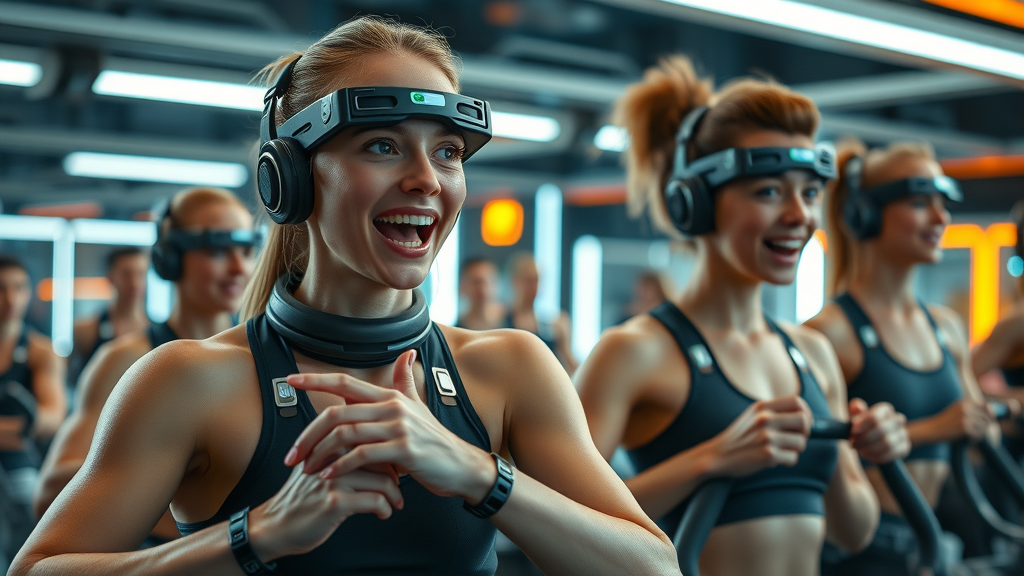
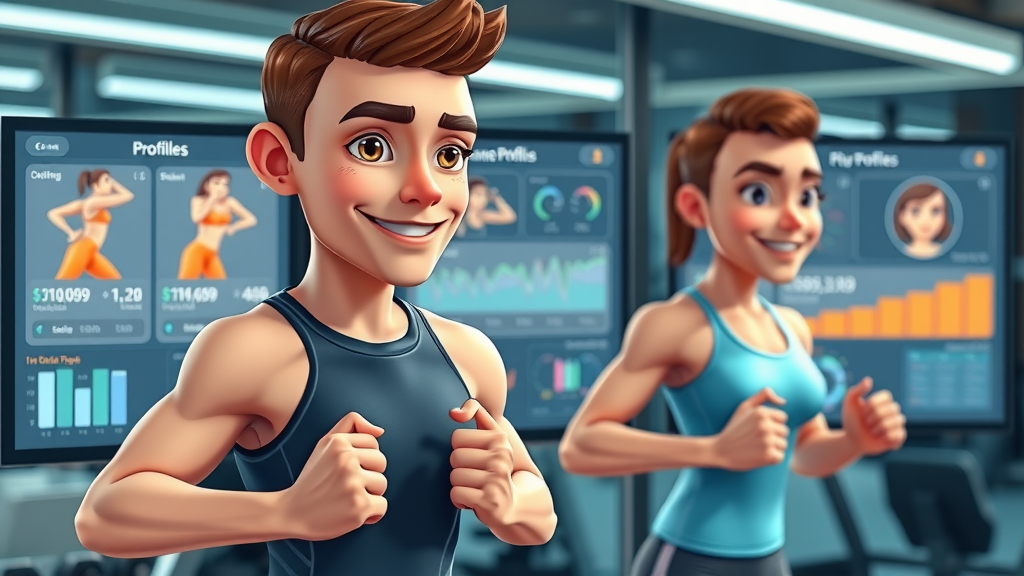
As technology evolves, the concept of personalized fitness profiles solidifies. These profiles will not only enhance the user experience but also facilitate better engagement by tracking clients’ fitness journeys from various angles—physical performance, health metrics, and behavioral data.

Key Takeaways for Gym Owners

Embrace Technology for Competitive Advantage

Incorporating implementing fitness technology offers gyms a competitive advantage in today's market. By valuing personalization and community, while adapting to new tools, gym owners position themselves as front-runners in the evolving fitness space.

Focus on Community and Personal Connection
Maintaining a strong community and personal interaction remains paramount. While technology enhances operational efficiency, it should never overshadow the personal touch that fosters genuine client relationships.

Conclusion: The Path Forward for Gyms

The path forward for gyms is clear: embracing technology without losing sight of the values that built the community is crucial. As gym owners, understanding the role of implementing fitness technology ensures that they not only survive but thrive in a landscape that is only becoming more competitive.

FAQs about Implementing Fitness Technology

What are the first steps to implement technology in a gym?

The first steps involve identifying specific pain points within your operations and selecting technology solutions that address these areas. Start with basic features, such as scheduling software or workout tracking apps, and gradually expand as needed.

How can technology improve client retention?

Technology improves client retention by providing personalized experiences and continuous engagement. Systems that track progress, offer reminders, and automate client communication foster a sense of accountability and involvement, ultimately leading to higher satisfaction levels.

What tools are essential for modern gyms?

Essential tools include membership management software, performance tracking apps, scheduling automation systems, and communication platforms to facilitate community engagement. These tools streamline operations and enhance client experiences.

0 Comments

Write A Comment

*
*
Related Posts All Posts
03.01.2026

Unlocking Arm Strength: The Ultimate Arm Workout for Maximum Muscle

Update The Ultimate Arm Workout: 7 Exercises for Maximum Gains When it comes to building impressive arm strength and size, not all exercise regimens are created equal. Drawing from the insights shared in the video titled Ultimate Arm Workout | 7 Exercises for Maximum Muscle, this article delves into the essentials of arm training, tailored specifically for fitness enthusiasts and gym owners eager to boost their workout offerings.In Ultimate Arm Workout | 7 Exercises for Maximum Muscle, the discussion dives into effective arm training techniques, exploring insights that sparked deeper analysis on our end. Understanding the Anatomy of Arm Workouts Before diving into specific exercises, it’s crucial to understand the different muscle groups that make up the arms. The bicep comprises the front of the upper arm, while the tricep is located at the back. A well-rounded arm training program should address both muscle groups for optimal aesthetics and performance. This balance prevents muscular imbalances, promotes joint health, and enhances overall strength. Seven Essential Exercises for Arm Development The workout presented in the video features seven targeted exercises. For gym owners, adding these to your routine may help attract customers seeking effective arm training. Here are the highlighted exercises: Dumbbell Bicep Curls: A classic move that isolates the bicep for growth. Skull Crushers: Perfect for hitting the triceps, ensuring balance in arm development. Hammer Curls: Engages both the biceps and forearms for robust results. Close-Grip Bench Press: A compound movement that works the triceps effectively. Tricep Dips: Utilizing bodyweight, this exercise is excellent for enhancing tricep strength. Preacher Curls: Focuses on the bicep peak, critical for those seeking definition. Overhead Tricep Extensions: This exercise targets the long head of the tricep for balanced muscle growth. Common Misconceptions in Arm Training A prevalent myth in fitness is that higher volume equals better results. However, it's not just about how many sets or reps you perform; form, technique, and rest periods are critical components of any effective workout. Additionally, many beginners mistakenly focus solely on biceps. A comprehensive workout that includes triceps is essential for symmetry and strength. Cultivating a Community Around Arm Workouts For gym owners, understanding your clientele's motivations can lead to a more engaged community. Many members may desire to enhance their physical appearance or athletic performance. Hosting a workshop on arm development, using these seven exercises as a foundation, could foster participation and community spirit. Future Trends in Arm Training The trend towards specialized workout routines has seen traditional exercises paired with modern fitness technology. Wearable fitness trackers and apps that log your progress can complement these arm workouts, offering users a comprehensive view of their performance. Expect to see more of these tools integrated into training programs, particularly for muscle-specific workouts. Challenges in Achieving Maximum Muscle Development One challenge many face is overcoming workout plateaus. Using a range of these exercises, along with varying rep schemes and intensities, can prevent stagnation. Moreover, hydration, nutrition, and adequate rest all play significant roles in recovery and growth. Gym owners should educate their clients on these essential factors to enhance their arm training routine. Actionable Tips for Success Here are practical insights you can apply: Rotate exercises regularly to keep the routine fresh. Incorporate progressive overload to challenge muscles effectively. Encourage customers to track their progress for motivation. If you're looking to elevate your arm workout routines based on the insightful discussions in Ultimate Arm Workout | 7 Exercises for Maximum Muscle, now's the time to integrate these approaches into your regimen. Embrace variation and community, and see how your arm training offerings can foster engagement among gym members. Remember, a strong marketing strategy can also enhance the packages you offer, bringing in new clientele eager to build impressive arms. Start enhancing your workout offerings today!

03.01.2026

The Critical Impact of Recovery: Preventing Overtraining in Fitness

Update Understanding Overtraining: A Hidden Danger in Fitness Overtraining syndrome (OTS) is a serious but often overlooked issue among fitness enthusiasts and gym owners. While the drive to push harder and achieve better results is commendable, it's crucial to understand that training intensity should be balanced with recovery. The video Overtraining Takes Weeks to Develop | Here's Why Recovery Matters effectively highlights the importance of recognizing overtraining, which can develop gradually and lead to long-term setbacks.In Overtraining Takes Weeks to Develop | Here's Why Recovery Matters, the discussion dives into overtraining, exploring key insights that sparked deeper analysis on our end. The Symptoms of Overtraining and How to Identify Them Knowing the symptoms of overtraining is vital for athletes and trainers alike. Signs can vary from physical symptoms like persistent fatigue and muscle soreness to psychological aspects such as mood swings or increased anxiety. This comprehensive understanding can empower gym owners to monitor their clients' wellness more closely and implement strategies to prevent overtraining. Historical Context: The Evolution of Training and Recovery Historically, the landscape of fitness training has shifted dramatically. In the early days of bodybuilding and athletics, many believed that more was always better. This mindset led to numerous athletes suffering from overtraining without knowing it. Today, the understanding of recovery and its significance has evolved, with well-established recovery protocols becoming a standard part of fitness regimens. The Importance of Recovery: Building Blocks of Athletic Performance Recovery is not a luxury but a necessity. The muscle recovery process allows the body to repair itself and adapt to new stresses. Gym owners and trainers are encouraged to focus not only on the training aspect but also on the recovery strategies implemented within their programs. This could include active recovery days, nutritional support, and sleep optimization. Counterarguments: The Controversy Around Training Intensity While many experts advocate for higher intensity training as a means to achieve superiority in performance, some argue that this approach can lead to overtraining. This highlights a paradox; how to balance intensity with recovery to maximize performance. Addressing this controversy in fitness programming can help gym owners tailor their offerings to meet both client goals and health needs. Actionable Insights: Strategies to Prevent Overtraining The prevention of overtraining syndrome is not only practical but essential in upholding the health and wellness of clients. Gym owners can introduce specific training programs that prioritize recovery, implement feedback systems to monitor client wellness, and promote educational workshops focusing on the importance of recovery. Regular check-ins can help trainers adjust intensity levels based on clients' feedback on how they feel both physically and mentally. Social Connection: Creating a Culture of Recovery Encouraging a culture of recovery fosters community among gym members. It's essential for fitness enthusiasts to share their experiences and understand that recovery shouldn't be viewed as a sign of weakness. Making recovery a group discussion can increase acceptance and support within the gym environment. Future Insights: Trends in Recovery and Wellness Within Fitness Looking forward, the fitness industry is likely to see an increase in recovery-focused services. Technologies such as wearable devices that monitor fatigue levels and recovery times are emerging, allowing for a more data-driven approach to training and wellness. Implementing these tools can give gym owners a competitive edge and create tailored experiences for their clients. Conclusion: Embrace Recovery for Long-Term Success In the rush to achieve fitness goals, understanding and prioritizing recovery is more crucial than ever. As discussed in the video Overtraining Takes Weeks to Develop | Here's Why Recovery Matters, ensuring balanced training with recovery will not only help maintain optimal performance but sustain an athlete's longevity in the sport. Remember, creeping fatigue may seem innocuous at first but can lead to substantial consequences if not addressed. For gym owners and fitness enthusiasts alike, taking a proactive stance on recovery can lead to significant results over time. Let's commit to fostering an environment where every workout is balanced with sufficient recovery, allowing everyone to achieve their goals safely and effectively.

03.01.2026

Discover the Shamrock Protein Shake: Your Seasonal Health Companion

Update Crafting the Ultimate Shamrock Protein Shake As the festive season of St. Patrick's Day approaches, many look for ways to include themed treats in their celebrations, but often, these come with a price – sugar-filled, unhealthy ingredients. Enter the Shamrock Protein Shake, a delicious and nutritious alternative that brings the joy of traditional shamrock shakes without the excessive sugar and calories. In this article, we’ll explore how to craft the perfect Shamrock Protein Shake that’s not only perfect for gym owners and fitness enthusiasts but also maintains a fun, festive spirit. A Healthier Version of a Classic Traditional shamrock shakes from fast-food chains can have upwards of 460 calories and 64 grams of sugar. Why deal with the highs and lows of such sugary diets when you can create your own healthy version? By combining spinach for vibrant color and nutrients, we can craft a creamy, refreshing shake that tastes indulgent but is packed with protein—perfect for a breakfast option or a post-workout refuel. This way, health enthusiasts can enjoy without the guilt of empty calories. Key Ingredients for Success To make a Shamrock Protein Shake that stands out, gather these essential ingredients: unsweetened almond milk, frozen banana, vanilla protein powder, fresh spinach, peppermint extract, and ice cubes. Each component brings a unique set of benefits. For instance: Almond Milk: A low-calorie option that also accommodates dairy-free diets. Frozen Banana: Adds natural sweetness and creaminess. Vanilla Protein Powder: Essential for muscle recovery and acts as a natural sweetener. Fresh Spinach: Provides vitamins while ensuring the shake remains deliciously green. Peppermint Extract: Delivers that classic mint flavor without adding calories. Easy Preparation: Blend and Enjoy! Making your Shamrock Protein Shake couldn’t be simpler. Start by adding your almond milk, frozen banana, vanilla protein powder, fresh spinach, and a splash of peppermint extract into a blender. Blend until smooth, adjusting consistency by adding more milk for a thinner shake or more frozen fruit for thickness. For a fun twist, incorporate cocoa nibs or top with whipped coconut cream for added indulgence. The result is a creamy, delightful shake that is both festive and nutritious. Clean Up Your Ingredients: Why It Matters By choosing to make your shakes at home, you're avoiding harmful additives and excess sugars often found in commercial versions. Using fresh ingredients not only curtails artificial ingredients and dyes, but it also promotes sustainable eating habits. With every sip of your homemade Shamrock Protein Shake, you embrace a lifestyle choice that empowers healthy living. Nutrition Facts: A Comparison One serving of this homemade shamrock shake packs about 230 calories with an impressive protein count of about 25-30 grams, especially if you opt for plant-based whey options. This starkly contrasts with the commercial options flooded with hidden sugars and empty carbs. Choosing healthier options can dramatically improve recovery times and energy levels, ultimately enhancing workout performance. Vegan and Gluten-Free Adaptation This recipe is easily customizable! For our vegan friends, simply swap out the whey protein for plant-based protein and choose any dairy-free milk. This makes the Shamrock Protein Shake ideal for various dietary requirements without sacrificing flavor. Celebrating Health: A Seasonal Tradition By making the Shamrock Protein Shake a part of your March routine, not only do you create a healthier celebration, but you also establish a tradition that enhances your wellness journey—all while enjoying delicious flavors. The excitement from preparing such a colorful shake will surely engage young ones, making healthy habits fun! Gym owners can use this recipe as part of their monthly promotions leading up to St. Patrick's Day, encouraging their clientele to make healthier choices. In conclusion, this Shamrock Protein Shake is a delightful way to celebrate the season while prioritizing health. Whether tested out in a gym setting or enjoyed at home, this shake brings both festive cheer and a healthy twist. Ready to give the Shamrock Protein Shake a try? It’s time to blend up some fun!

Terms of Service

Privacy Policy

Core Modal Title

Sorry, no results found

You Might Find These Articles Interesting

T
Please Check Your Email
We Will Be Following Up Shortly
*
*
*